JOANNA ROSE
15 Things You May Not Know about Joanna Rose
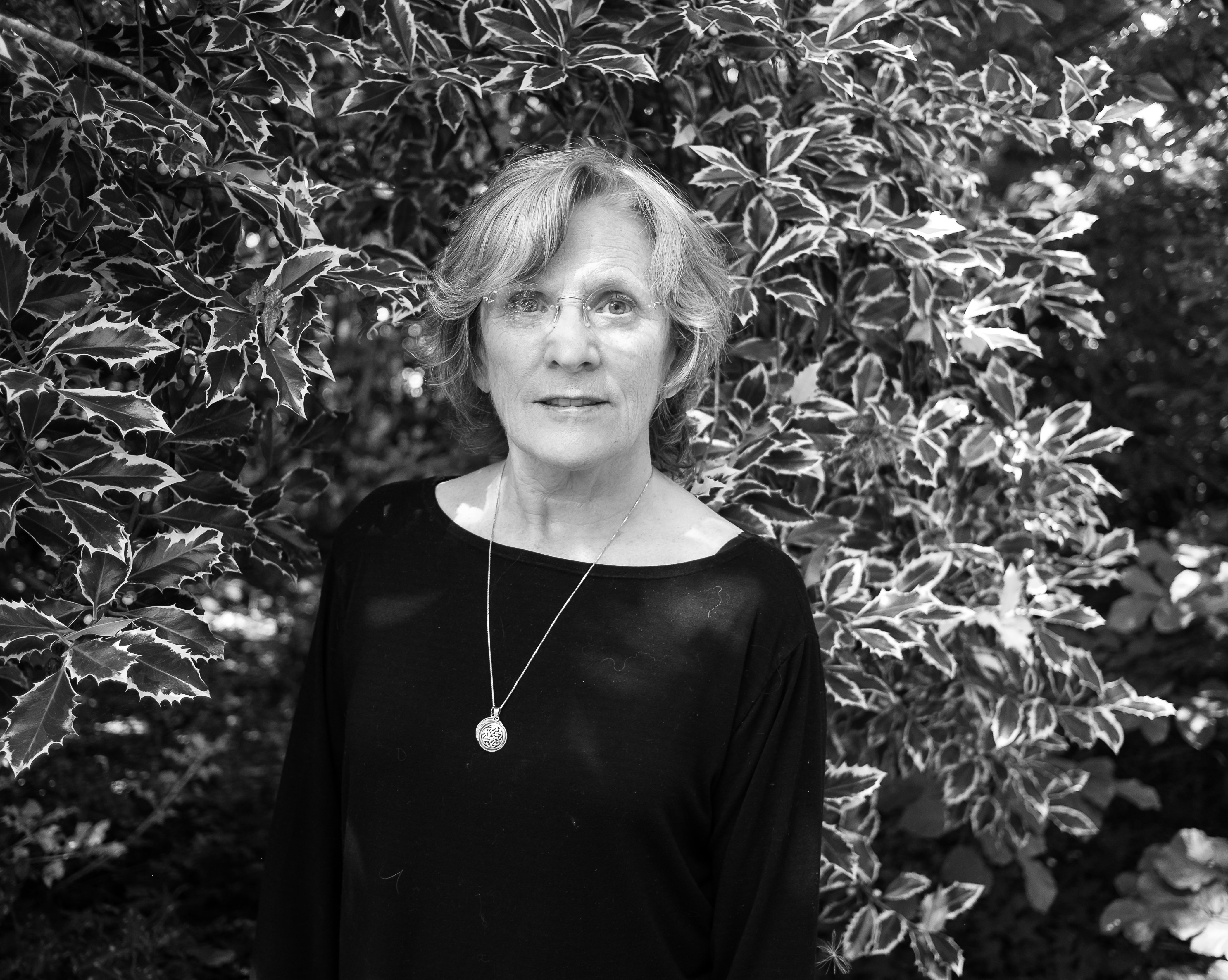
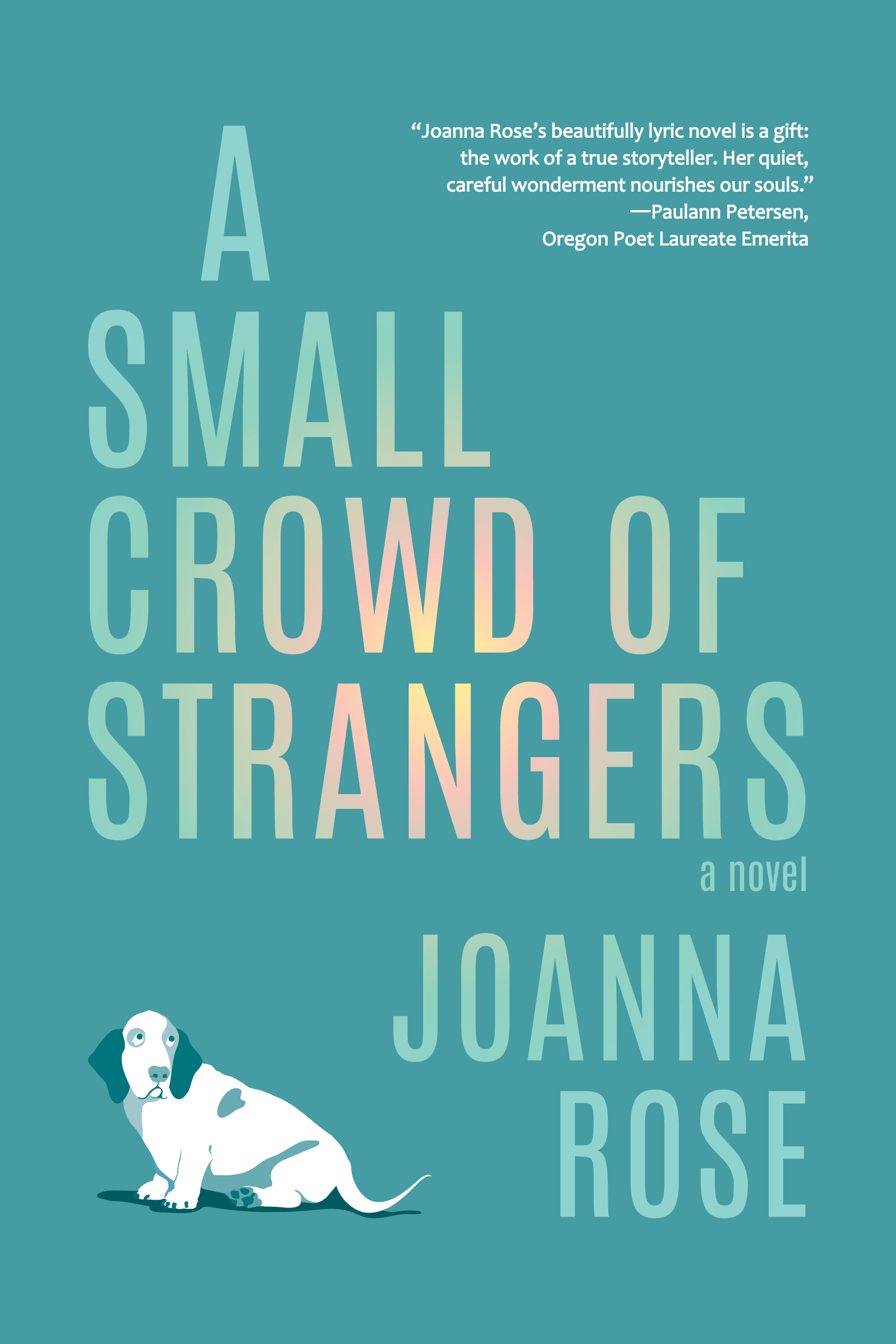
Portland Oregon writer Joanna Rose is the author of the award-winning novel Little Miss Strange (winner of the Pacific Northwest Booksellers Assn Fiction Prize and Oregon Book Award finalist). A prolific writer, Joanna’s work has appeared in ZYZZYVA, Windfall Journal, Artisan Journal, High Desert Journal, Oregon Humanities, Northern Lights Cloudbank, Bellingham Review, VoiceCatcher, and Calyx to name only a few. Her essay “The Thing with Feathers” was cited as Notable in 2015 Best American Essays. She is a winner of The Attic Institute’s Winter Writing Contest in non-fiction for her essay, “Commemorative Plates”, and is an Attic Institute Atheneum Fellow in Poetry and Fiction. Please welcome Joanna Rose.
- Why did you become a Writer? How did you get started?
I decided to be a writer in 3rd grade. I was a reader. I wrote my first book during arithmetic class. (I got in big trouble from bringing home a C in arithmetic!)
- What is your writing routine? How do you discipline yourself to keep at it?
I try to write first thing in the morning, and that’s when I work on first draft material, either a new scene or a new poem, or just morning pages. Then later in the day I get back to revision, or to continue whatever project I’m working on. My work schedule is hectic and all over the clock, so it’s hard to keep to a regular writing time. But the discipline part is never a problem. The discipline is in getting my ‘other’ work done instead of writing.
- How many drafts before you feel the book is finished?
There isn’t really any such thing as a draft for me. In an initial draft I may work on the story up to a point and maybe even think I’ve found an ending, but then I go back into it, wander around in the middle. I guess I feel like a piece is done once it’s published.
- What was the best thing that happened with regard to your writing career? The worst?
The best thing was meeting Tom Spanbauer and falling in with the Dangerous Writers. I learned to love the intricacies of language and story from Tom, and we learned to talk about our work in constructive, non-judgmental terms. I met a group of like-minded people. I felt connected in a way I never had. I found myself part of a community with shared values, those values being a belief in our own work, and in each other’s work.
- What part of your job do you love the most? Hate or dislike the most?
The best part is revision. The part that I struggle with is first draft because I love the wandering around in story, and I get lost. But I don’t hate it. I love it all. I just struggle with it.
- What do you like to read? Do you read while working on a novel? Favorite authors?
I like to read ANYTHING! I have to read, always. It’s more important than food for me. I am inspired by other writers, and I am always tasking notes and copying down beautiful sentences.
I have so many favorite authors!!! Anne Tyler, William Gibson, Lewis Carroll, Joy Williams. Lewis Nordan. These are the writers I turn to often. One of my new favorites is Beth Kephart; her small essays are so quietly stunning.
I also read a lot of poetry. Norman Dubie. Brigitte Pegeen Kelly. Robert Hass. David Biespiel. Charles Simic. Paulann Petersen. These are poets I turn to often.
I read British crime fiction compulsively. It’s more about cool language, all the different Brit ways of speech. And it’s less gory that American crime fiction. Of American crime writers, I love Walter Mosley and James Lee Burke. One thing I love about mysteries is that the plot has to hold up.
This question is a mad rabbit hole for me!
- What was the best advice you received as a writer? The worst?
The worst advice I ever got was “Don’t quit your day job.” We all have to pay the bills but I finally turned to teaching and working with Writers in the Schools so I could spend my days working with language and writers. Life is short. A day job has to feed your soul.
“The best advice: You should write a book.” Every writer needs to hear that.
- Who has influenced you the most in terms of developing your personal writing style?
The poets I read are the most influential. I learn how to rely on concrete images and believe in my own metaphors. But I would also say Lewis Carroll. Alice in Wonderland and Alice Through the Looking Glass are amazing feats of language and character, and they’re so clever – the logic games!
- Do you have a good luck charm or superstition?
I used to always light a candle, but I tend to write in different places in my house. I start at my desk, and then when my husband leaves for work I move to the kitchen table, or outside. So I am always walking away and leaving a candle burning. I quit doing that. I like to write in coffee shops too. You can’t really bring your own candle!
- If you weren’t a writer, what would you be?
A dog trainer. I have always had dogs, and my dogs are notoriously badly behaved. But I worked with two of my guys in agility training and I loved that. It was pure joy for them and me. Powerful communication. I love reading dog training guides.
- What quote or personal saying do you live by?
Success is moving from failure to failure without losing your enthusiasm. (Wm Churchill)
12. What’s next up for you, writing-wise?
A short story collection and a collection of personal essays. Pieces I’ve been working on while working on A Small Crowd of Strangers. I also have a poetry collection that I want to get back to. I really don’t know what will rise to the surface once the publication activity settles down. I recently quit my job and expect to have more time to focus on the next project.
13. If you could do anything over again, would you and what would it be?
Hitchhike through the middle east in the 60s. But I got a dog so I had to restrict my hitchhiking adventures to the continent.
14. What advice would you give beginning writers?
The best advice would be to pay attention to what you love in the world. Get in the habit of paying attention. And keep a small notebook with you always and write down odd thoughts and pieces of language that come your way throughout the day. And eavesdrop! People are amazing!
15. Something we don’t know about you?
I am not from anywhere. I have no family roots.
And: what would you like us to know about A Small Crowd of Strangers:
It’s not a memoir. But it is my story. It’s not ‘autobiographical fiction’ in any way, but there are bits and pieces of my life in it, both setting and ideas. That’s the best part of being a writer: putting language to what I love.
You can learn more about Joanna at http://www.joannarose.xyz/

