Bonnie’s Blog
Not Writing Excuse #3: Computer Technology
12/17/2023
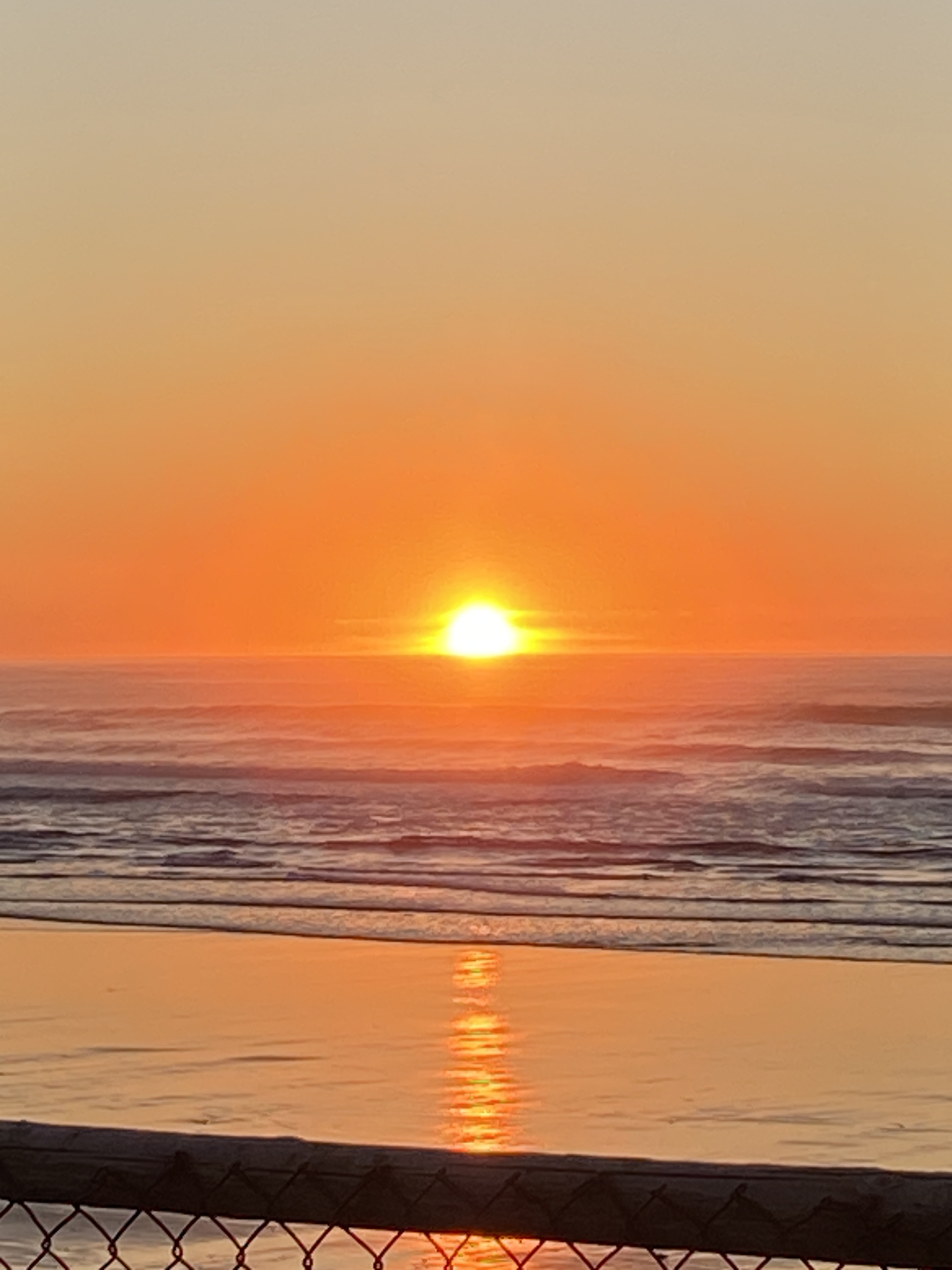
I woke up in a good, creative mood determined to write. I wanted to talk about the holiday season and what that is like here on the coast with rain instead of snow, about the light parade in Waldport, and the upcoming Christmas show at the Performing Arts Center. Ideas were bubbling in my head until I fell down a WordPress rabbit hole because I did things backwards. Instead of writing the words and then posting them to my blog, I decided to update my website first. There were a couple of changes that needed to be made and I wanted to fix them before I started writing. They weren’t big changes; they would only take a minute or two to fix. Three hours later I was still trying to make the changes and not one creative word was written. My creative energy was frustrated and angry and I no longer wanted to write.
I’m a touch OCD so I wanted to fix what was wrong first. Having designed a couple of WordPress sites some years ago, I thought it would be easy. I could make the changes, write my blog, and still have time to walk the dogs before it got dark outside. Because, of course, you can’t post anything to an outdated website, right?
Two hours later I was still trying to figure it out. I edited the pages. The changes didn’t appear. I couldn’t remember how to change the date on the copywrite page. I was having trouble working with blocks instead of the classic layout. It had been a while since I set up my website. I’m older and slower and rereading instructions I found on the Internet didn’t help. I walked away from the computer. I played a few games of solitaire to calm down. I looked out the window. I was so frustrated I was ready to quit.
But I kept going back. This was fixable, I knew it. I just didn’t know how to fix it. I read countless questions and answers on Google and punched buttons until I was ready to punch a tree. In the end I did get the changes made, but by that time my creative energy was gone and it was dark outside.
I learned something today. Write the words first. Even if technology wins in the end and your website doesn’t look exactly like you want it to, at least your creative energy was put to good use. And you have something creative to read instead of how to untag a page in WordPress.
Lost Near Atlanta
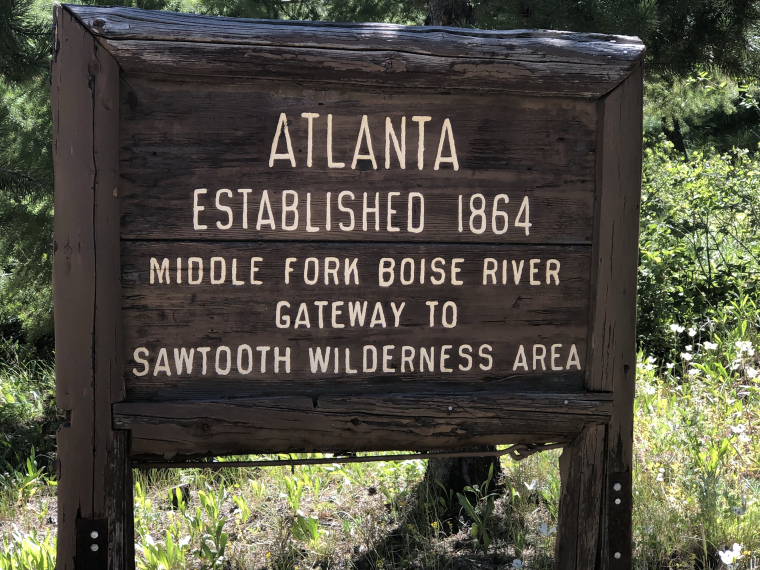
This story won third place Idaho Magazine‘s 2016 writing contest. I spent many summers exploring the old mining town of Atlanta, Idaho. I hope you enjoy this tale.
Lost Near Atlanta
“It’s great here,” Pam said as she stoked the campfire.
Surrounded by the Boise National Forest, we settled in for the night after a productive research day in Boise and Idaho City. As soon as the Old Idaho Penitentiary out on Old Penitentiary Road opened, Pam and I were there ready to take pictures and notes. I was particularly interested in some of the women incarcerated in the women’s prison and Pam, being a criminal reporter at her day job, was more intrigued with the gallows. We could have stayed there all day, imagining the people who walked behind those bars, and talking to the tour guides, but we were on a tight schedule. We had only three days to see the State Pen and the mining ghost towns of Idaho City, Rocky Bar, and Atlanta.
As usual we had underestimated how much time we would need to see everything. Discussing our trip over the phone, it seemed doable. We would meet in Mountain home. Pam knew the manager of AJs Restaurant and Lounge who said I could leave my car in his parking lot. That way we wouldn’t have to take two cars. Better yet, it would be safe there and we wouldn’t have to worry. Now, there we were, at the end of our first day, pitching a tent in the forest, anxious to see Atlanta and Rocky Bar the next day. We had heard the legend of Peg Leg Annie and we were eager to check it out.
Pam and I are writers and we both have a passion for Idaho history, which isn’t surprising given the fact that we met at an Idaho history conference in Boise five years ago. Pam is writing a murder mystery set in Idaho City and I’m working on a novel. We were hoping this trip would give us all the details we needed to finish our projects.
Since neither one of us are mountain women, I borrowed a popup tent from my brother. “It’s easy,” he said as he showed me how to assemble the tent. And it had looked easy enough when we played with the tent in his driveway. But there, in the forest, I had no idea how to put the thing together. “Maybe we should have stayed in that rustic hotel in Idaho City,” I said to Pam. “A shower would be nice.”
“Yeah,” she said. “But that would defeat the purpose. The character in my novel escapes into the forest. I won’t learn about cooking over a campfire sitting on a bed staring at a TV.”
“That’s true,” I said. “And it’s nice here, being outdoors and away from city traffic.” The campground was deserted. Even the camp host had left for the season.
We were nearing the end of a beautiful October day. The sun-warmed forest was fragrant with pine and sage. I inhaled deeply, enjoying the outdoor smells. It took us a while to set up camp, but once we did, we were glad we’d made the effort.
Sitting around the campfire sipping wine, we discussed all we had learned that day. Pam was particularly intrigued with the story about Lyda Southard, Idaho’s notorious female serial killer, also known as Lady Bluebeard.
“Flypaper,” Pam said. “She boiled flypaper to make her poison.”
I nodded and tried to listen. But I was more interested in the story one of the guards told us about Peg Leg Annie. A rumored prostitute who worked in the mining camps, Annie spent her days living in Atlanta and Rocky Bar. One day in May she and her friend Dutch Em tried to walk from Atlanta to Rocky bar. A freak snowstorm cost Em her life and Annie her legs. My brain was spinning with all the stories I could tell. What was it like to be a prostitute in a mining camp? Better yet, what was it like to be a woman in a mining camp? The possibilities were endless.
As the fire crackled we plotted. “What if I have the murderer hide in the basement of that old church in Idaho City?” Pam said.
“What if Annie had a daughter who hated living in the mining camps and all she wanted to do was escape?”
Pam and I watched the fire and talked until our eyes could no longer focus. “Night,” Pam yawned. “I’m going to bed.”
“Be there soon.” I stared into the fire, wanting to sit there all night and dream. But tomorrow was another busy day, so I needed to get some sleep. Afraid the wind would fan the fire during the night, I snuffed it out and crawled into my sleeping bag. When I turned off the flashlight, Pam was already snoring.
I woke to the sound of wind howling through the forest. Good thing I put out that fire, I thought as I snuggled deeper into my sleeping bag. Good thing I have a brother who likes to hunt in subzero temperatures.
“Wake up.” Pam was shaking me. It was still early, barely morning. “You’re not going to believe this.”
I poked my head outside the tent. “Whoa. What happened?”
We were smack in the middle of a snowdrift. The howling wind I heard during the night had filled our campsite with at least ten inches of snow.
“Holy cow,” Pam said. “We’re snowed in.”
Shivering, I pulled on my jeans and sweater and went outside to start a fire. Like that was going to happen. All the wood was covered with snow and what wasn’t buried in a snow bank was too wet to burn. No fire for coffee, no fire to warm our bodies. To make matters worse, everything looked flat like a white sheet. We couldn’t see the road.
“Guess that takes care of Atlanta and Rocky Bar,” Pam said.
“Guess that takes care of a lot of things,” I said. “I think we have bigger problems than research in old mining camps. Her beige Honda was good on roads, but now it was buried in snow. Gloveless, we didn’t have a shovel so we had to use our hands to move the snow away from the car. It was pointless. The more we shoveled, the more snow fell from the cottony sky.
“I’ll call for help.” Pam tired her cell. “No service,” she said looking at the snow still falling.
Exhausted, we stood beside the car in our wet clothes. “What are we going to do?”
“Well,” I said. “It would be stupid to try and walk out.”
“We can’t stay here.”
We broke into a nervous laugh. We’d been looking for an adventure. We sure got one.
“Maybe it’ll stop soon.” My teeth chattered.
“I’m going to sit in the car and run the heater until I get warm,” Pam said. Lucky for us we’d filled the car with gas in Idaho City. Just to be safe. Who knew where the nearest gas station was. I’d heard there wasn’t one in Atlanta. But that didn’t seem to matter now. We’d be lucky to get back to Idaho City, let alone Atlanta. Our research trip had morphed into a trip of survival.
We sat in the car until we could feel our fingers and toes again. By then the snow had stopped, and it was almost noon.
“I think we should walk out,” Pam said.
“Don’t be ridiculous. Do you want to end up like Peg Leg Annie?”
“No.” Pam stared out into the forest. “But I don’t want to die here either.”
We weren’t dressed for winter weather. We had no heavy coats, no snowshoes, no boots or gloves. What we had was a sense of panic as we started out, hoping we were walking in the right direction.
“I can’t even see the road,” I mumbled as I plowed through the snow, breaking a trail. Keen on adventure, I’d gotten myself into some pretty fine pickles, but this was the worst. I looked up at the sky afraid it would snow again. How did this happen? Beam me up Scotty and get me out of here.
We walked for an hour or more. “Look,” Pam said. “Here’s the road that goes back to Idaho City. If we follow it someone will find us.”
What little food we brought was all but gone. We had to keep going. We trudged through the snow until Pam slid off the road and tumbled down the embankment toward the river. “Help,” she cried.
I rushed forward and planted my feet the best I could on the slippery ground. “Give me your hand. I’ll pull you out.”
I yanked and almost fell in myself, but I didn’t let go. When she was safe, we sat on the side of the road our sides heaving. “I think I hurt my leg,” Pam said. “That was fun.”
“Barrels,” I said. “Now what do we do?” The sun was setting. We were wet. It wouldn’t be long before our clothes froze to our bodies.
“We need to keep moving,” I said, afraid if we stopped we’d never move again.
Pam winced. “I don’t think I can walk that far. Our only chance is if you go for help. I can wait here.”
“No you can’t.” I yanked on her arm until she was standing. “We’re in this disaster together.”
We both smelled it before we heard it. “Oh, no,” Pam said. “Is that a bear?”
“They don’t have bears out here, and even if they did, bears hibernate in winter.”
“Well,” Pam said. “It isn’t winter yet. He probably was surprised by the storm just like we were.”
“Run,” I said. “Here he comes!”
We turned to flee but running in the fluffy snow proved impossible. And Pam could only hobble on her bum leg.
“Roll up in a ball and play dead,” Pam instructed.
We both hit the ground and grabbed our knees tight.
Yelp. Yelp. Yelp.
I turned my head to peek. Hallelujah. It wasn’t a bear but a scraggly dog the size of a pony, barking and running toward us.
“Holy cow,” Pam said. “Never saw a dog that big.”
The dog ran to our side, pushing us with his nose. We had no other choice but to follow. “Maybe he lives around here,” Pam said.
“Yeah,” I said. “Maybe somewhere warm.”
He led us to a small mound, a shelter covered with snow. He wouldn’t leave us alone until he had nudged us inside. Once we were settled, he lay down and went to sleep.
“Thanks, buddy.” I snuggled beside him. He was so warm, so comfortable, even if he smelled like a wet dog. Exhausted and spent, we fell asleep next to the giant dog. When we woke it was morning and the dog was gone. The sun was shining. The snow was starting to melt. Looked like our luck was changing.
“What now?” Pam said.
“I guess we keep walking. How’s the leg?”
“Not bad. I think I can make it.” Pam limped.
“Good because I’m not leaving you behind.”
It helped to walk, each step warming our muscles. “Listen,” Pam said. “I hear something.”
“Doesn’t sound like a snowmobile,” I said, which had been my secret hope. That someone eager for winter would break out their sled to play in the snow. This was better. A snowplow clearing the road.
“Hey, you!” We jumped up and down calling, “Here! Here!”
“Wow,” the driver of the yellow machine said. “Where’d you come from?”
We pointed behind us. “We were camped back there when the storm hit. My car is buried in snow,” Pam said.
“Hop in,” he said. “Let’s see if we can get you out.”
“Thanks.” We scrambled into the cab of the plow, glad to be out of the cold.
Back at camp, the driver used a rope to pull Pam’s car out of the drift. When he was finished, we quickly packed up the tent and our chairs, and loaded the car. He waited to make sure we could get out.
“Thanks so much for your help,” I said. “I don’t think we could have stood another night in this weather.”
“Consider yourself lucky,” he said. “I don’t know how you survived this one.”
“There was a big dog,” Pam said. “A Newfoundland, I think. He kept us warm. When we woke, he was gone.” She looked into the forest. “You didn’t see him did you?”
The driver chuckled. “Oh, yeah, I’ve seen him around once or twice.”
“Does he live nearby?” I asked.
“No. He roams the forest between here and Rocky Bar. That’s Annie Morrow’s dog.”
I looked at Pam. Was he kidding? If Peg Leg Annie had a dog, he’d be long gone, just like her.
“Seriously,” I said. “Where did he go? We tried to find him, but he didn’t leave any tracks.”
“Seriously,” he smiled. “That’s the dog Annie and Dutch Em had with them when they tried to walk from Atlanta to Rocky Bar that wicked day in May.”
“In that freak snowstorm,” I said.
“Right,” he said. “That dog stayed with Annie and kept her warm.”
“No way,” Pam said.
“That was over a hundred years ago,” I said. “That dog would be dead now.”
The man winked at me. “He may be a ghost, but I’m not going to tell him. Not with the job I have. He’s saved my butt a time or two.” He hopped into his snowplow, waved, and drove off toward Atlanta.
We didn’t go into Atlanta that day, or Rocky Bar either, but we did return home with some great stories to tell. And a promise that we’d make the trip again sometime. But never in October and never in May.
Forty years ago today
It was a day like no other, one she would remember for the rest of her life. Maxine Foster clicked off the television, her eyes blurry with tears and loaded every single Elvis Presley album she owned on the Zenith record player and pushed the lever.
“Well, it’s one for the money,
Two for the show,
Three to get ready,
Now go, cat, go.”
Holding her sides, she crumbled to the floor and cried inconsolably. It couldn’t be true. No, he couldn’t be dead.
Find out more about Maxine in Waiting available here.
BONNIE DODGE VISITS THE BOOK DINER TO DISCUSS THE WEIRD BLESSING OF BEING A WRITER
Today I’m talking writing with Sharon Zink at The Book Diner. Check it out.
My Oregon Love Song
My fingers are puckered, my feet are webbed, and like most of my neighbors, I’d love to see the sun. But the weatherman just confirmed another week of rain. Oh, yay.
Coming from a town lucky enough to see ten inches of rain a year, here in Newport we’ve already endured forty-three inches of rain, and it isn’t even May. It’s hard to get and stay motivated when the days are gray, misty, and wet. Walks along the beach are anything but romantic and puttering in the yard only creates bigger messes. Maybe that’s why there is always so much going on indoors.
For instance, in the last thirty days I got to hang out with some pretty amazing writers. In March, Susan DeFreitas talked about environmental degradation and her debut novel Hot Season. Her landscape descriptions blew me away. I can still smell the river and feel the breeze on my skin. A couple weeks later Karen Karbo, author of a best-selling “kick-ass women’s series”, talked about writing personal essays and I learned how to put passion back into my work. And just last week Garth Stein came to town to discuss writing his novel The Art of Racing in the Rain. The room was packed and for two hours we didn’t care that it was pouring outside, Stein was filling the room with enlightenment and inspiration.
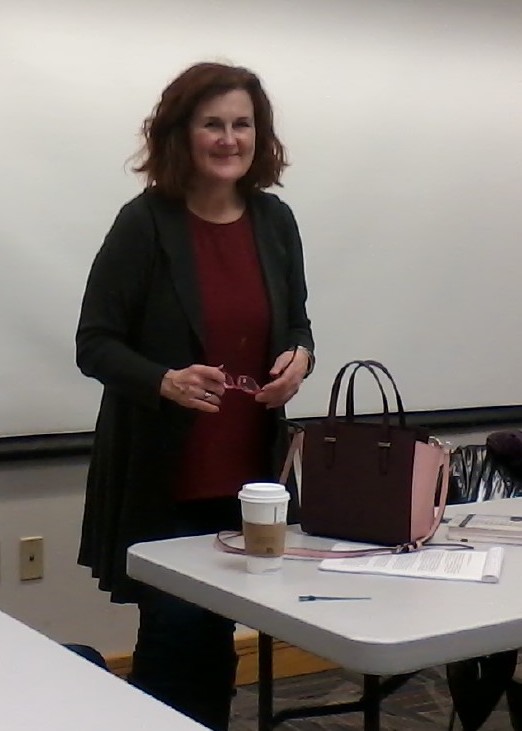
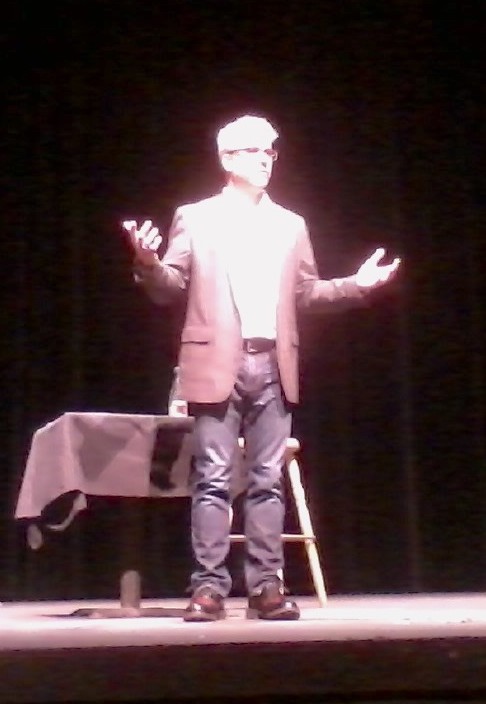
The place I used to call home was so isolated I’d have to drive hundreds of miles to attend book signings and writing workshops. Now all I have to do is go to the library or the Performing Arts Center, just a few miles down the road.
Newport brims with talented people I would have never met if I had stayed in my Idaho cocoon. So thank you Oregon for giving me a stimulating and verdant place to live. Thank you for welcoming me home.
(Sorry the pictures are so blurry. My phone doesn’t play nice sometimes.)
SELF-SABOTAGE, MY WORD FOR 2017
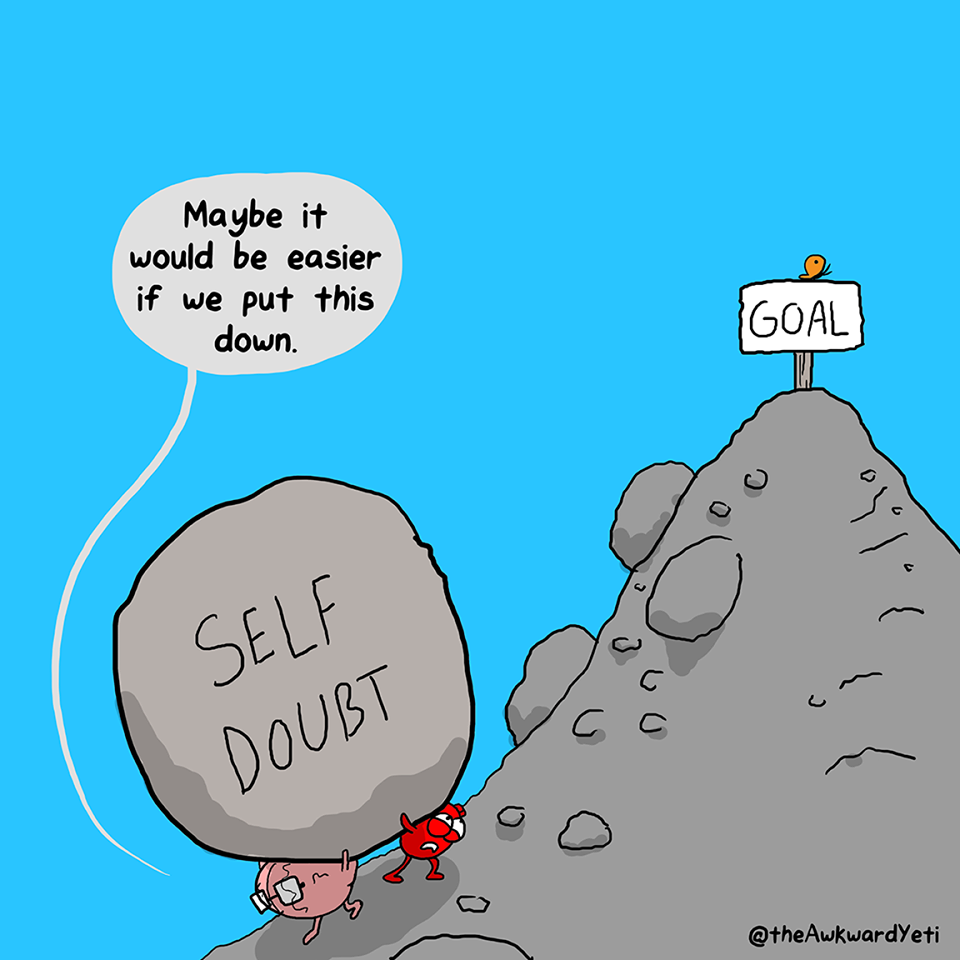
Words of encouragement are flooding social media this month. Words like hope, peace, love, respect, patience, and even no. As a writer, I’d like to offer another. Self-sabotage. That thing many writers do to avoid moving forward.
I’m not the queen of sabotage, but I know how to procrastinate. Take this book I’ve been working on for almost twenty years. Ten years ago I shopped this book around thinking it was finished. But clearly it wasn’t or I’d be collecting royalties instead of avoiding revisions.
Why isn’t it finished? It isn’t because I don’t know how to write or deliver a product. It isn’t that I don’t love the idea of this book, I do. The only reason I can offer is that I’ve gotten in the habit of avoiding this project. Every time I set out to finish this book something gets in the way. Here are some of the ways I’ve sabotaged the completion of this book.
1) I can’t work on this book until I finish xxx. Insert clean the house, take the dogs for a walk, or do the laundry.
Life is messy and has a way of getting in the way of writing. There will always be something else that needs attention. Pretending I can’t write until the dishwasher is loaded only prolongs the project. Instead of waiting until everything is done, I need to make working on this project a priority. First thing in the morning I need to sit down and revise a chapter. Before anything else. Waiting until I have a big chunk of time to work isn’t the answer and is just a lazy excuse.
2) I need to do more research.
After twenty years I should have more than enough information to finish this book. And if I don’t I can make it up. After all, it’s fiction, not non-fiction.
3) I don’t have the skills to write this story.
Recently I listened to Alice Hoffman discuss writing. She said a writer needs to write every day. Only by writing every day do you become a better writer. So stop waiting until you have the skill level you seek. Start writing and it will come.
4) It’s not perfect, so why bother.
Good writing is revisions, lots of them. Anne Lamott says write a messy first draft. Get the story down and then do the work of revisions. That’s where skill and magic happen, in the honing of words.
5) I need feedback on this chapter before I continue.
Maybe, but probably not. Even if you are lucky enough to have friends and family who offer to read your work and comment, this can be a big way to sabotage your writing. Reading is subjective and you will get good comments and bad comments. The time for constructive feedback is after the book is done. When you know the ending of your story, you’re better equipped to identify weak plot points and motivation. Too much advice while you’re being creative and writing can stop your story dead. Rely on your gut and trust the process.
6) I’m not smart enough to write this story.
If that is true, than put it away and work on something else. Just because you don’t feel adequate to complete this story doesn’t mean you can’t produce a sexier, better story. Learn to let go. Not everything you write is golden.
7) I need to turn off the internal editor.
Often the fear of failing, or even the fear of succeeding, can prevent me from finishing a project. Yes, criticism is scary. But it’s part of the process. Don’t let fear prevent you from achieving your goal. Writing can be scary, learn to work through the fear.
8) I can’t write until I get in the mood.
The longer you work as a writer the more it becomes a job and there are days you won’t want to go to work. Waiting for the mood to strike could mean days without writing, a sure way to shoot yourself in the foot. Many times I sit down to write, in a bad mood because I don’t want to write that day, and like magic my muse shows up and I produce some pretty amazing stuff. If you want to be a good writer, write even when you don’t want to. You’ll be surprised at what you can accomplish.
9) Illness gets in the way.
My goal for 2017 is to finish this book. I had a good start, with four chapters revised before I ended up in the hospital with a nasty gallbladder. See, I told my son, this book doesn’t want to be finished. And, yes, sometimes I feel like that. But the book isn’t the writer, I am the writer, and no one else is going to finish this book but me.
Self-sabotage diminishes passion and energy. It’s just an excuse to keep you from moving forward. If you’re in the habit of self-sabotaging yourself, try to identify why. Then work toward reaching your goal. You’re in control. Only you can do it.
454 Days Later
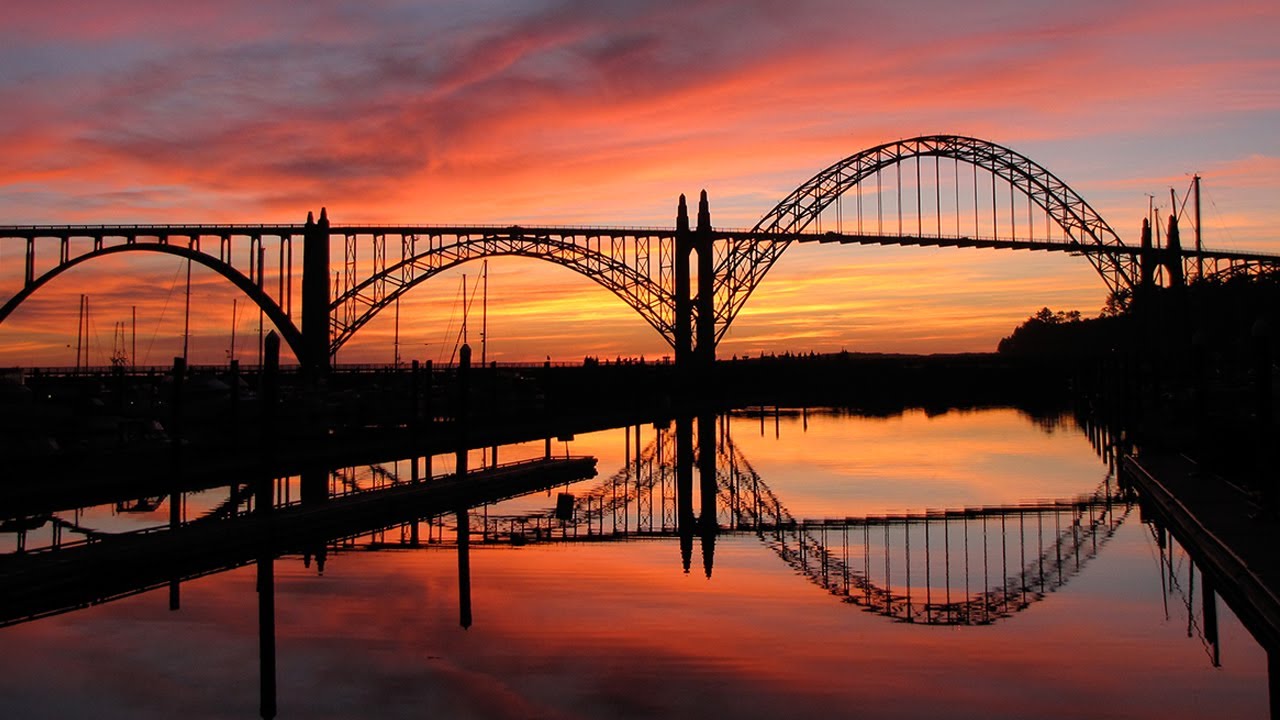
I’ve been quiet and you probably think I fell into the ocean or got blown away by coastal storms. But no, I’m still here, learning all I can about my new home.
The reason I’ve been silent is that I’ve been busy. For a tiny dot on the map between Yachats and Lincoln City, Newport’s population is about the same as the town I left in Idaho. If you want a Costco or a Lowe’s you have to drive several miles, just like I did in Idaho. But unlike the town I left behind, there is so much more to do here I barely have time to read, let alone write.
Check out the latest issue of Oregon Coast Today and you will see there is always something going on. Add to that everything happening in The Valley between here and Portland and there is no time to be bored. Ever.
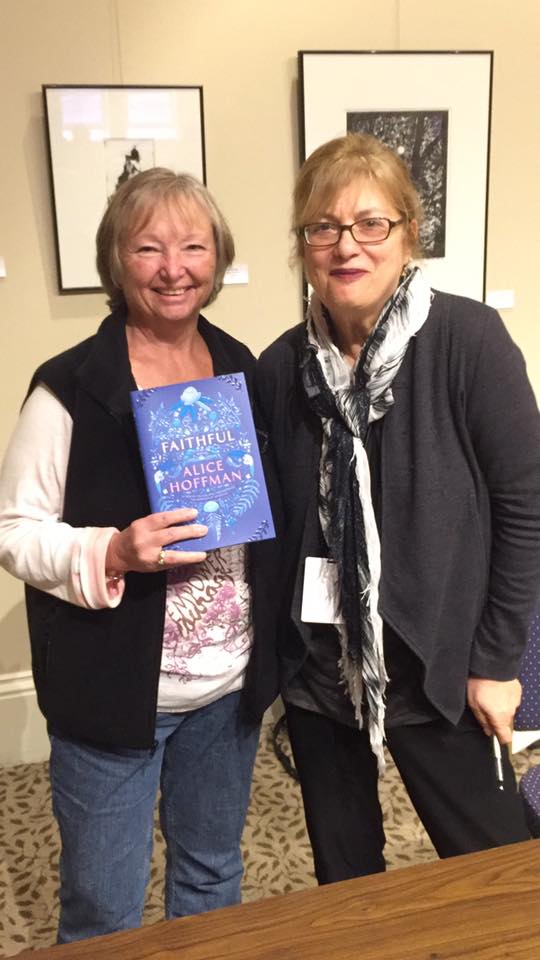
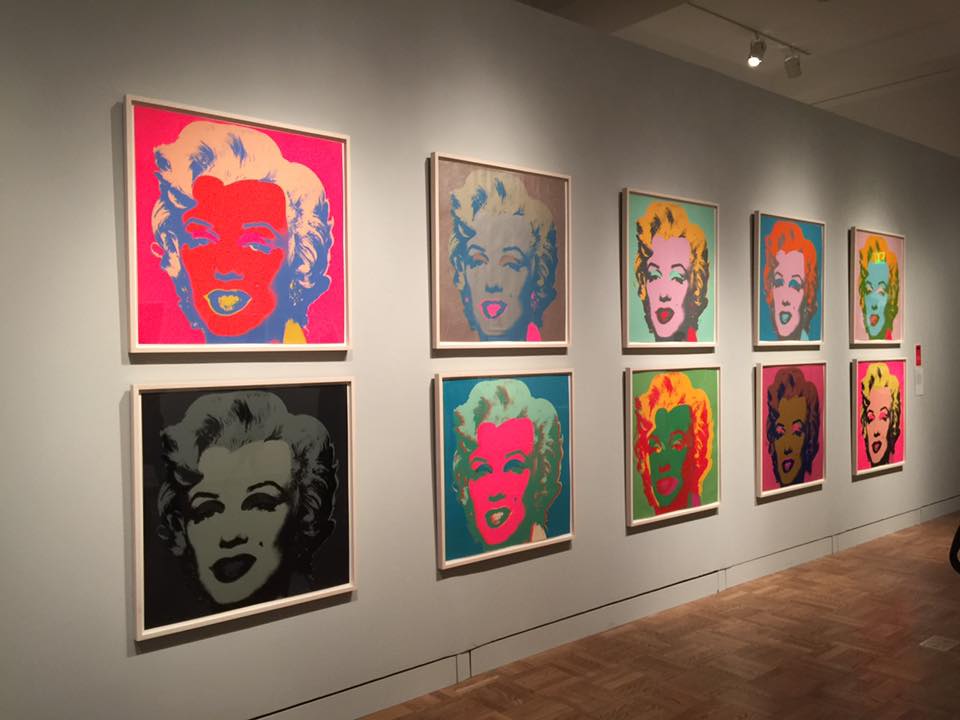
Take for instance last weekend. Since I don’t like to drive Portland traffic my son quietly obliged, taking me to Portland’s annual book festival Wordstock. I was so revitalized I’m still vibrating. My favorite author, Alice Hoffman, was in town and spoke about her new book Faithful. She even signed my copy and thanked me for stopping by. So many other talented writers attended, not to mention many Oregon presses including Ooligan Press, Tin House, and my favorite, Laura Stanfill from Forest Avenue Press. If that wasn’t great enough, admission to the event included admittance to the Portland Art Museum and the Andy Warhol exhibit. Now my son was vibrating, snapping pictures and studying one-of-a-kind art. Yes, it was raining. But in spite of the rain, it was a positive, energizing day.
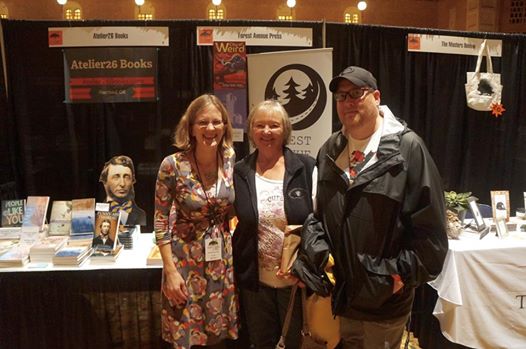
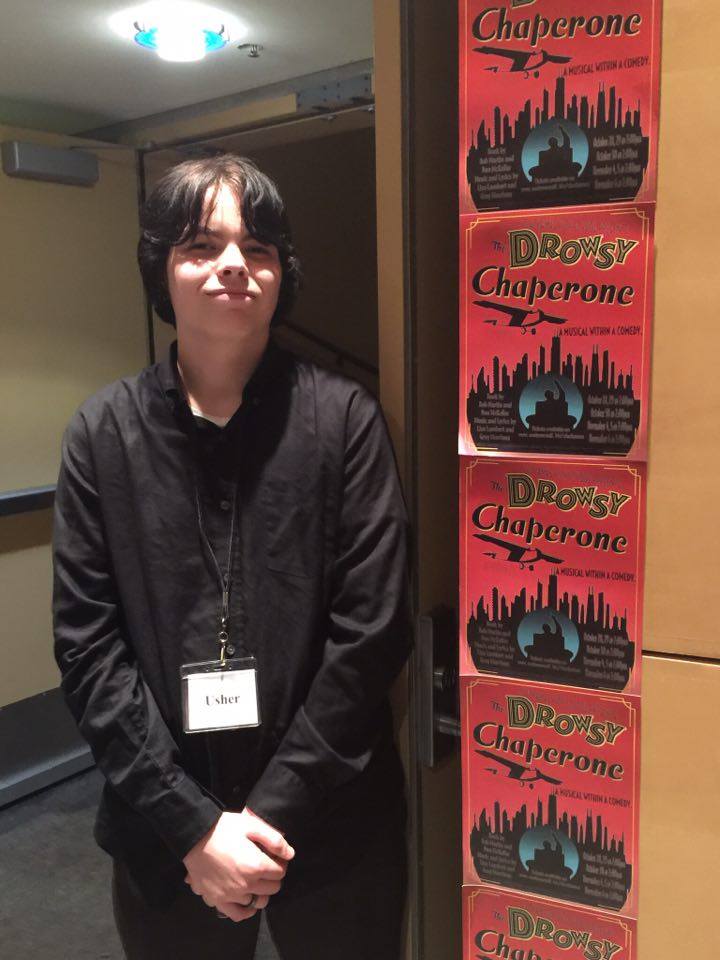
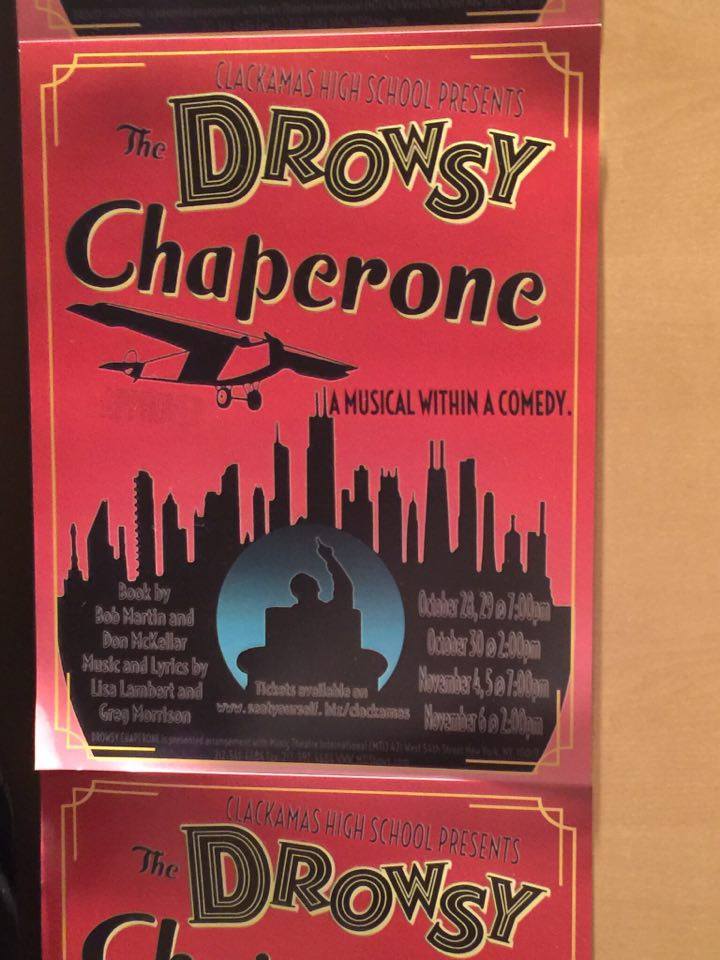
That evening my family took in The Drowsy Chaperone, a musical put on by my grandson Dante’s high school class. The students were top notch, high energy, and amazing. The day ended with dinner at The Ram and a glass of wine. Perfect.
Many people told me I was crazy to move to Oregon. Several said I’d get depressed and miss the sun. And even though I miss my friends in Idaho, and sometimes I do miss the sun, mostly I love it here. Even when it’s raining.
Back Roading Beaver Creek to Toledo
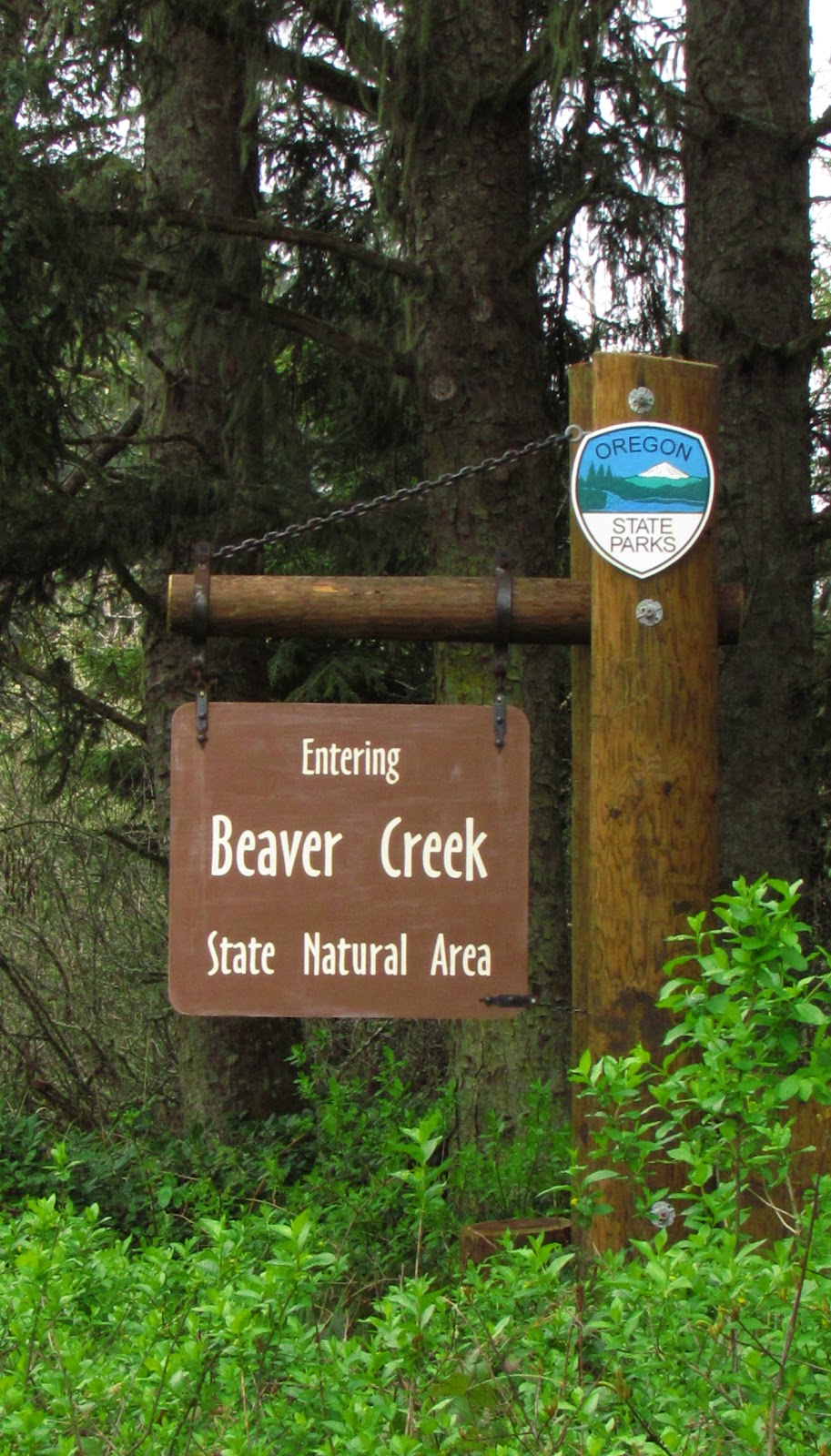
We’ve always been explorers, enjoying the back roads of Idaho and now Oregon. We’re not cityites who like to stare at window displays or order lattes. We like to travel back roads, sip home-brewed coffee, and enjoy the scenery.
Knowing we liked quiet places for our dogs to run, a neighbor told us to check out the road from Beaver Creek to Toledo. “It’s mostly gravel,” he said, “and it’s easy to get lost. There isn’t much traffic. Nice drive, though.”
Enjoying a challenge, we filled our coffee mugs, gathered our dogs, headed south on 101, and turned east toward Beaver Creek. We turned left where the road teed and stopped at the Beaver Creek Welcome Center, hoping they’d have a map of the area.
No maps, just a volunteer. “Follow that road,” he said. “Stay left.” He pondered a moment. “Turns to gravel. Think it’s twenty or thirty miles. Been a while since I drove it. If you get lost, you can always turn around and come back.”
We looked at each other. Turning back was rarely an option. Not when we wanted to see something new.
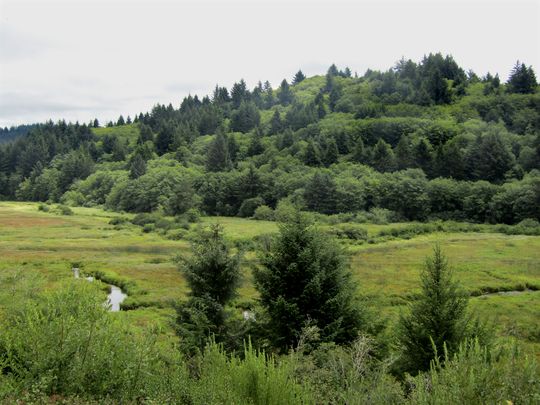
After considerable conversation, we waved a cheerful goodbye and followed the road. Within minutes we stopped at a small park with a picnic table and a large area for the dogs to run. While the dogs sniffed bushes, we picked blackberries and chomped on half-ripe apples from a nearby tree.
“Yuk.” I spit out the bitter fruit.
“Just right,” my husband said happily.
We rounded up the dogs, got back in the truck, and continued on.
No cars tried to pass us. No trucks met us head-on. The only vehicle on the road, we traveled slowly enjoying the drive, heavy with vegetation on both sides of the road.
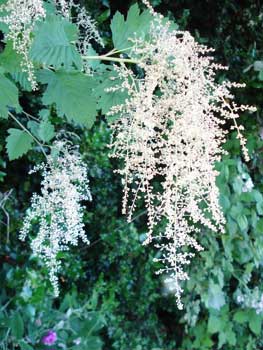
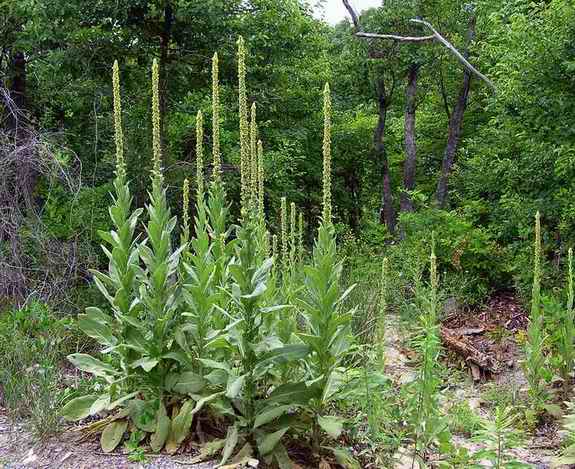
“Reminds me of the road to Fall Creek,” I said, commenting on the dense undergrowth. But instead of seeing obelisks of mullein and ponderosa pine, the shoulders of these roads were thick with evening primrose, foxglove, and purple loosestrife. I gawked out the window trying to identify the plants: Queen Anne’s Lace, mountain ash, ocean spray, and wild rose. Many more varieties than I would see traveling the gravel road from Fall Creek to Featherville, which held mostly fern and pine.

“Look,” my husband said as two velveted buck dashed in front of us. He hit the brakes and we watched them dart into the trees. We knew they were watching us, waiting for us to leave. But try as we might, we couldn’t spy an eye or an antler.
Moving on, it wasn’t long before we hit gravel. The vegetation grew thicker, canopying the narrow road. Blackberry vines reached toward the truck, each branch heavy with green berries. We were driving into a jungle, secluded and uninhabited, with no signs to guide us.
“Wonder if we should turn around?” my husband said, recalling the words of the Beaver Creek volunteer. Unwilling to give up, we moved forward, deeper into the forest.
“Must be on the right road,” my husband said when we finally spotted a mile marker that looked lost on the gravel road.
“How many miles did he say?” I asked.
“Twenty or thirty.”
We’d been driving almost an hour, but I couldn’t judge mileage. We were moving slow, sometimes five miles an hour, up, then down, wind around a corner. Wind around another corner so dark with shade we couldn’t see the sun.
Climbing again, we broke out onto a sunny hilltop. The panorama of the valley was jaw-dropping, worth the worry of getting lost.
“I know where we are now,” my husband said. “Toledo is right over there.”
Leaving the forest behind, we headed down. Minutes later we were on familiar asphalt again.
“Not even twenty miles,” my husband said.
“Not bad at all,” I said. “Perfect way to spend an afternoon.”
And the very best part of the drive was that we didn’t once have to turn around.
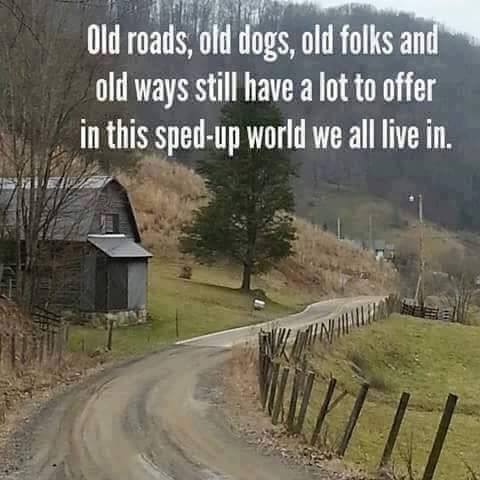
Goodbye, Nye Beach Writers Series. It was good to know you.
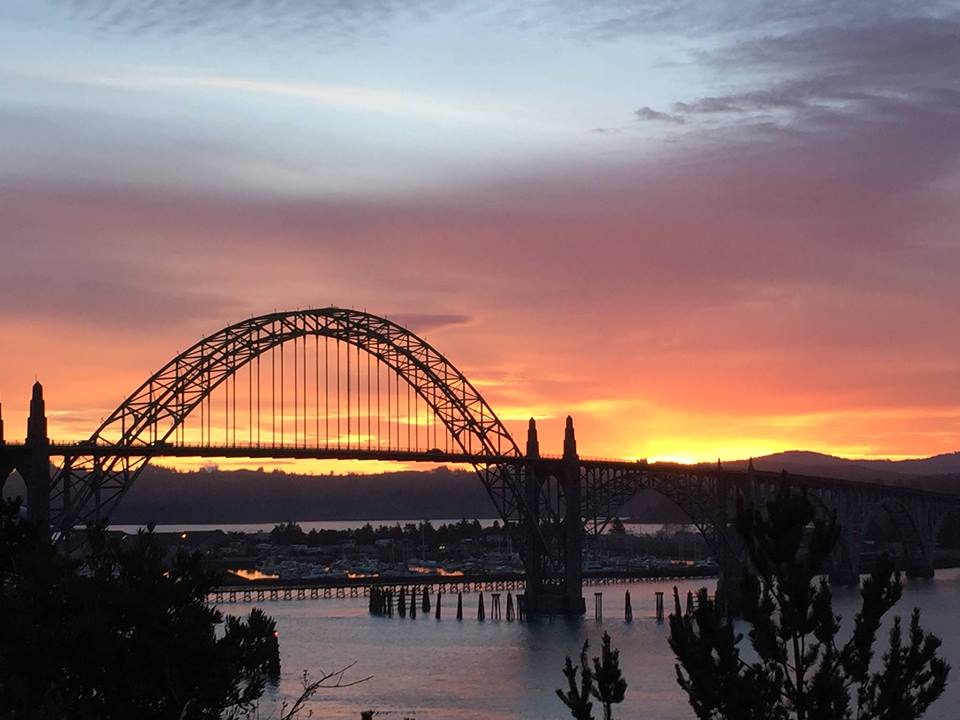
For more than thirty years my vacation destination was the Oregon Coast. Leaving behind stressful jobs and busy schedules, my husband and I drove to the coast, almost every year, usually in late September or early October. We’d rent a vacation home overlooking the ocean and do nothing. Well, not really nothing. He’d golf and I’d either write or read. We’d take long walks on the beach, or just sit back and watch the sun set. We loved the quiet easy-going pace we found here and a chance to unwind and recharge before heading back to the real world in Idaho.
If you know anything about the Oregon Coast, you know there is always something happening here, either in Lincoln City or all the way down the coast to Florence. Even after all those trips, we never had time to do everything we wanted to do. Often we would leave saying next time I’m going to ….
One of the things I always wanted to do was attend one of the writer’s events back when they were still held in Yachats. But I could never fit it into our schedule.
When we moved to Oregon, one of the first things I did was attend a Writers on the Edge event at Nye Beach. It wasn’t long before I joined the board and became more involved in the organization.
A strong writing community is one of the reasons I moved to Newport. After thirty years, I still feel like I’m seeing the ocean for the first time. And every day I spend here, I learn to love Oregon more.
For our final event, Writers on the Edge will host Johnny Bargain on June 18 at 7 p.m. at the Visual Arts Center on Nye Beach. If you’re in the area, please stop by and help us celebrate a wonderful organization. And just in case you are interested, here are some things you may not know about our next author, Johnny Bargain.
11 things you may not know about JOHNNY BARGAIN
1) Why did you become a Writer? How did you get started?
The stories from my past were circling in my head. I’d wanted to write a letter to my friend’s 18-year-old son who had been gunned down in the 1960s by the police as he rode his Harley Sportster in Rosebank, Staten Island. Three bullet holes punctured the boy’s back, for no good reason at all. I wanted Stitch to know he had not been forgotten even though 50 years have gone by. The memories weighed heavily and I couldn’t shake them.
Over time, I mentioned some of the incidents to Carla Perry, publisher at Dancing Moon Press and she suggested that I record them on a tape recorder since I didn’t have the patience, eyesight, or ability to write them out on paper and I don’t have a computer. She said the stories were tragic, appalling, poignant, eye opening, and funny, and that they provided a glimpse into the world of motorcycle clubs and gangs that was unlike anything she’d encountered before.
So I headed down to California for a three-day biker party and by day ten, I’d managed to record several stories. Carla transcribed the recordings when I returned, but she said more stories were needed to flesh out a full book. When I said I couldn’t remember more, she suggested I create a map of my Rosebank neighborhood — the bars, Dapper Dan’s motorcycle shop, the houses where I lived, the police station, the location of the murders, the location of infamous parties, the cemetery where Stitch was buried, and the various motorcycle club headquarters. Each time I drew a building or marked an X on the map, stories flooded out, clear as the day they’d happened. So, I headed south again for another biker party and came home with plenty of material.
2) What is your writing routine? How do you discipline yourself to keep at it?
I clear the space in my head by inhaling sweet weed, think of an incident from my past, turn on the tape recorder, and start talking.
3) How many drafts before you feel the book is finished?
Carla Perry prepared three drafts for me. The first was to make sure the information was correctly transcribed and that I was okay with the short story titles. The second was to put the stories in order and correct name spellings. The third was the final draft. The cover designer, Sarah Gayle, also drew cartoonish maps to illustrate the locations where the stories took place, so those are interspersed throughout the book.
4) What was the best thing that happened with regard to your writing career? The worst?
The best thing was getting the stories out of my head so I don’t have to remember them anymore. I feel a sense of freedom knowing I’ve done what I hoped to do – reconnect with Stitch by writing this book dedicated to him. The worst thing is there are still more stories I’d like to get down on paper. Maybe there will be a volume 2.
5) What part of your job do you love the most? Hate or dislike the most?
I can’t write longhand anymore because my eyesight is not so good and I will never use a computer, so talking into the tape recorder worked great for me. Telling stories from my past is not a job. It’s something I’m compelled to do to make peace with my early life.
6) What was the best advice you received as a writer? The worst?
The best advice was when Carla Perry suggested I draw a map of my neighborhood. That was amazing. Every street corner, every bar and tavern, the cafes, the movie theater, the houses my friends lived in, every building, park, church, and school contained vivid stories from my life in Rosebank, Staten Island. It was like taping into full-color movies of what went on in the 1960s. I could remember conversations, the sounds, the smells. It was all there, hidden away in my memory.
7) Who has influenced you the most in terms of developing your personal writing style?
I just speak it out so my writing style is just the same way I talk. Except it’s a little more cleaned up through the editing process.
8) If you weren’t a writer, what would you be?
I’m a retired building engineer. I’m an artist of three-dimensional representations that hang from the ceilings and walls. I’m already 80 years old. I never planned to become a published author.
9) What quote or personal saying do you live by?
“If I don’t see you real soon, I’ll see you down the road someday.” (lyrics from “Car Outside” © Jimmy LaFave.)
“I’m surprised you’re alive.” – Fred, a member of Johnny’s Yoga class.
10) What’s next up for you, writing-wise?
Maybe more stories. Volume 2 of “A Collection of Bummer Summers.”
11) What would you like us to know about your latest release?
The absolutely true stories of my life are in that book.
Getting to Know You
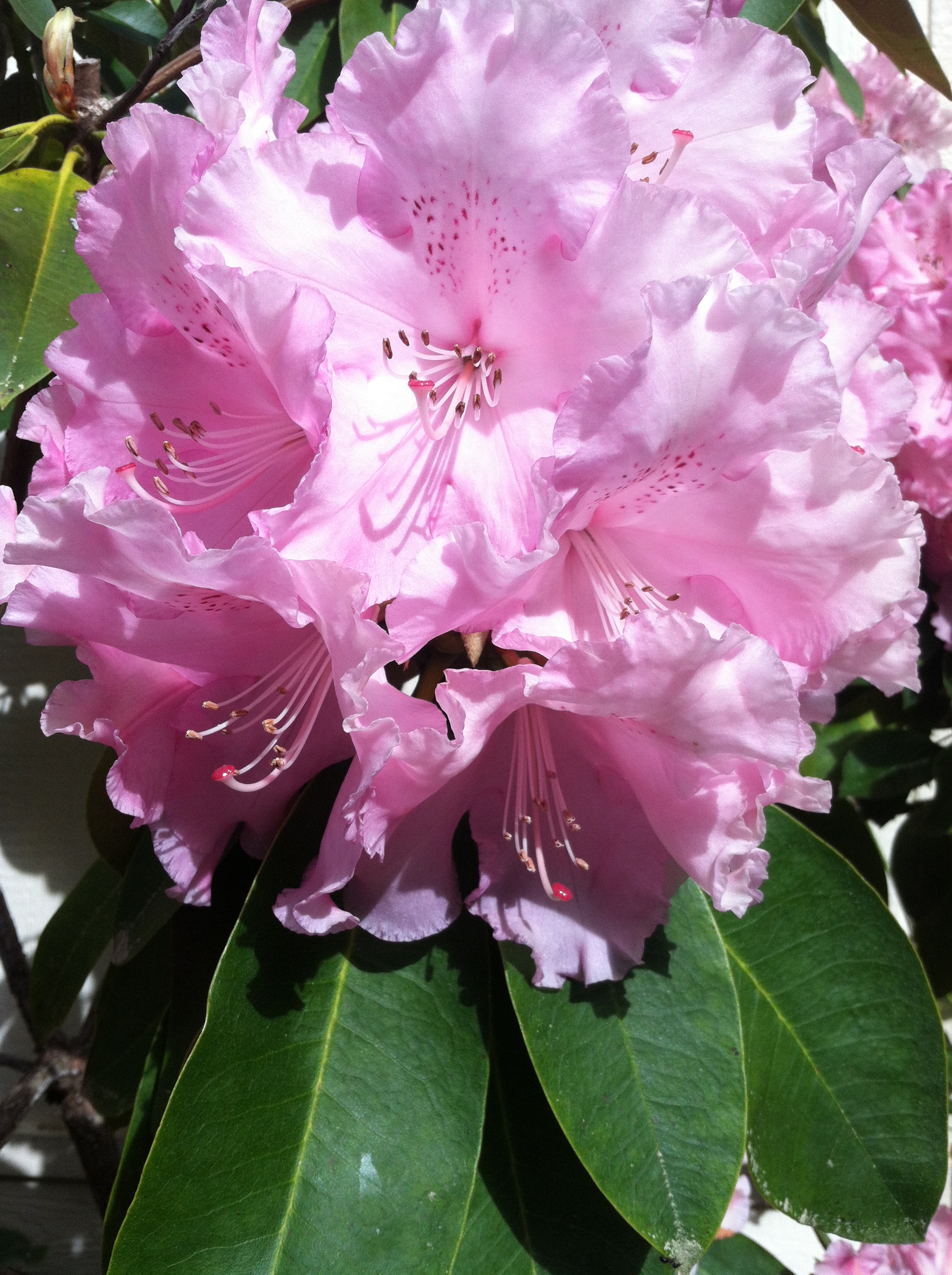
Plants have always been my passion. You’re more likely to find me outside playing in the dirt instead of indoors sitting in front of the TV or holding a book. For as long as I can remember I’ve been interested in plants. What is it? Does it have medicinal purposes? Can you eat it? Moving to the Oregon Coast, then, has been this gardener’s dream. Here, if you want something to grow, just toss it on the ground, forget about it and a week later it will be an established plant. In southern Idaho if you tossed a plant on the ground, it was destined to die.
As an Idaho Master Gardener I know a lot about plants. But here in Oregon I feel like I’ve dropped down the rabbit hole. My head bobs at every step as I try to identify plants I’ve never seen before. Like the large bush that attracts birds and borders my yard on the north. The plant is prolific; I see it everywhere. But it took a trip to the county extension office to learn that the plant is a wax myrtle. I didn’t know that the pretty yellow plant along the side of the road is scotch broom and that it’s invasive. I was familiar with perennial geraniums but didn’t know that Herb Robert was not the same as cranesbill geranium even though they look alike. Is it an azalea or a rhododendron? What makes them different?
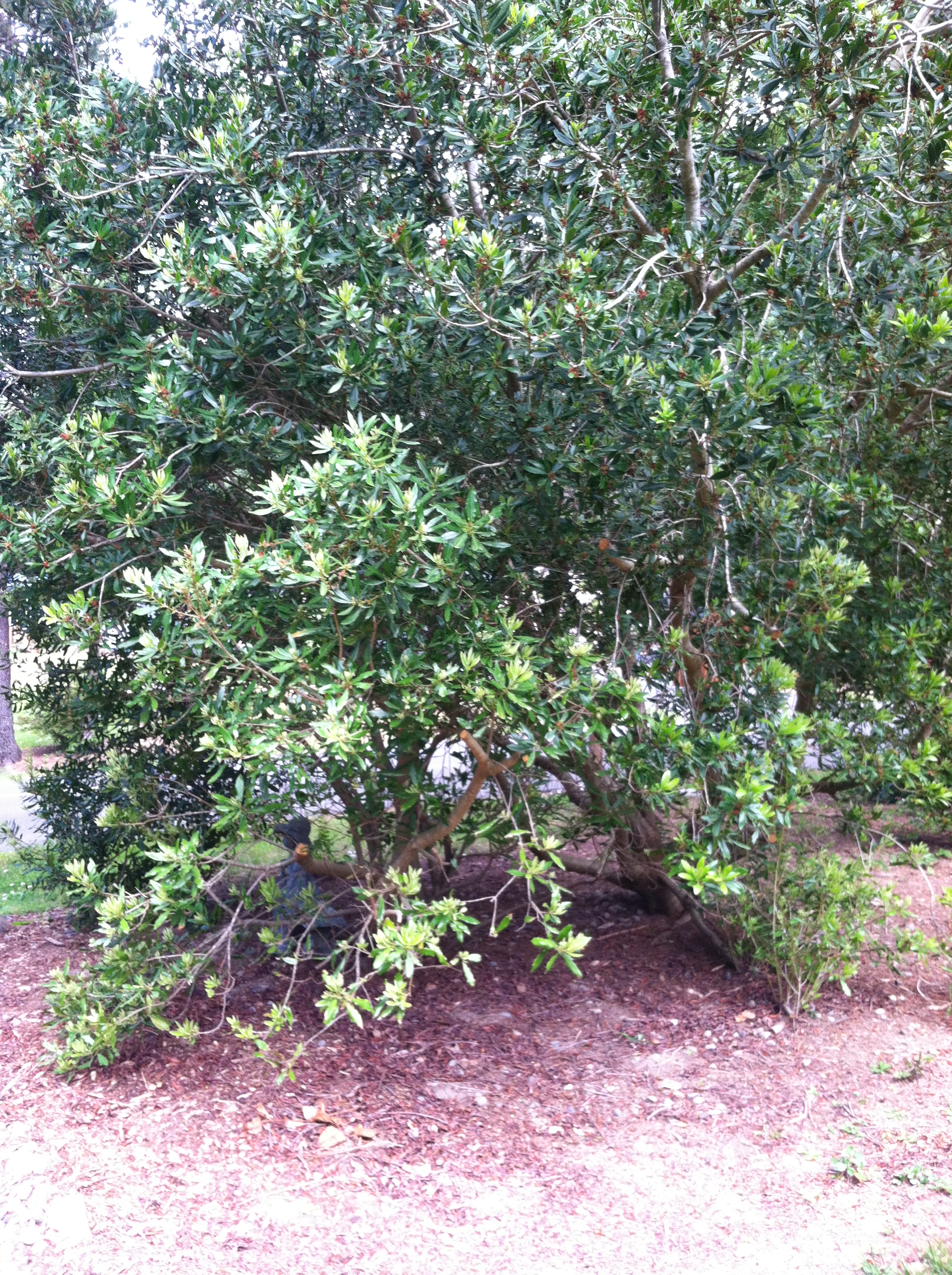
My yard is a wonderland of new discoveries. I knew I had a lot of blackberries bordering my lawn, but I didn’t know that I also had salmonberry, thimbleberry and evergreen huckleberries, not to mention the salal that grows like trees.
A walk through my neighborhood is truly a walk in the forest. Trilliums. Yellow skunk cabbage. English daisies and woodland strawberries that cover the ground instead of grass. Western buttercups and lewisia. Each forward step offers a mystery to be solved.
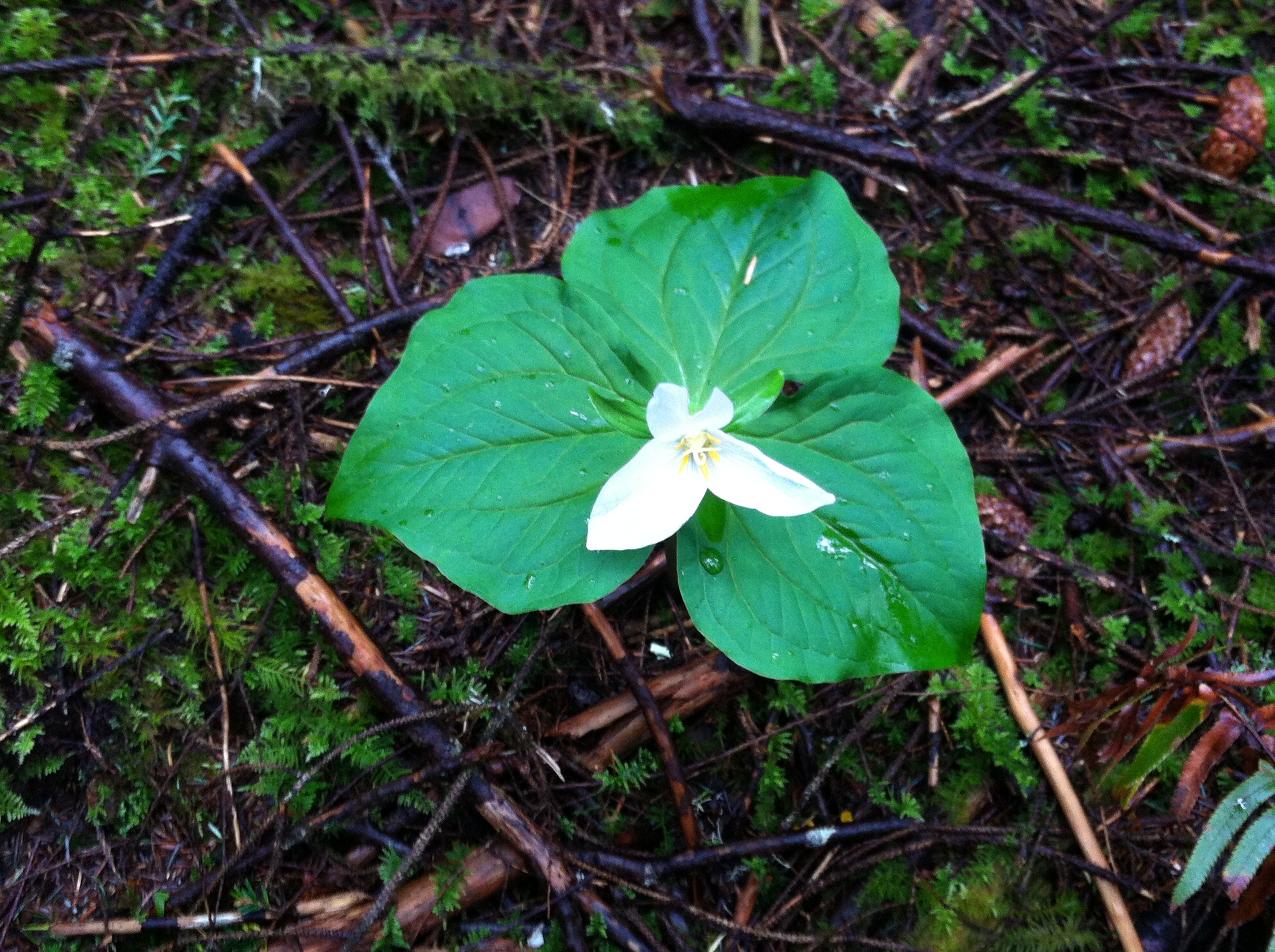
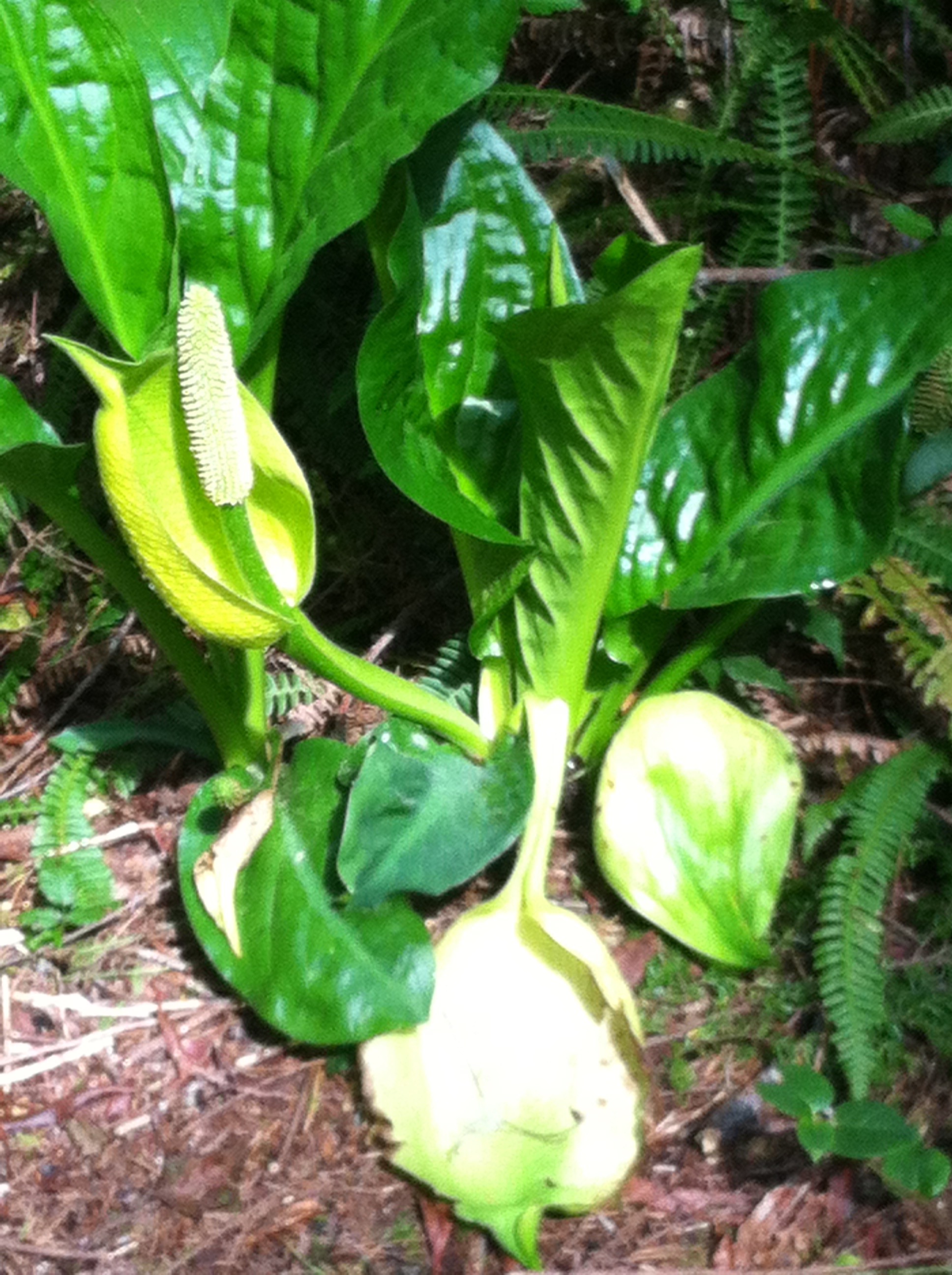
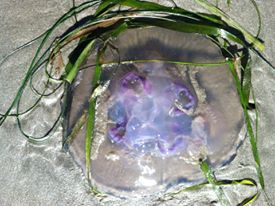
Moving to Oregon has been a grand adventure and I’ve enjoyed getting to know all about the plants that grow in my yard and neighborhood. With the ocean just down the road, I’m eager to start learning the names of the interesting treasures I find on the beach.
Emily McIntyre writes about her dreams . . .
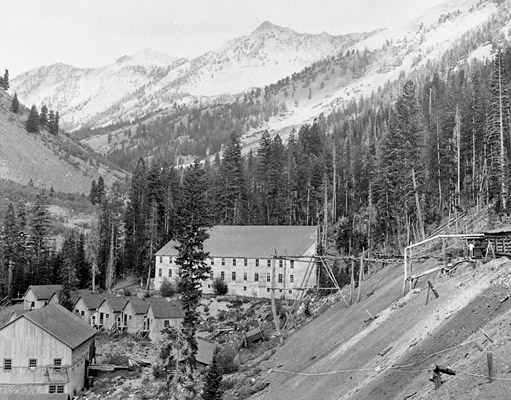
Sawtooth City in the late 1800s. Photo courtesy Community Library Regional History Department
Since April is national poetry month, Emily McIntyre wants to share a poem with you. Emily grew up in the gritty mining camps of Saw Tooth City and Rocky Bar, Idaho Territory, in the 1870s. She lived in a log cabin and carried water from nearby Beaver Creek. She was a great companion to Lizzie and George Harmon until the nefarious Kerry Chapman Troupe came to entertain the miners in the spring of 1882.
Back East there is a better life,
No digging in the dirt,
Or staring in a miner’s pan
Until your eyelids hurt.
A place where parasols are made
Of Paris silk so fine,
A place where steamboats paddle by,
A place that I’d call mine.
Back East is where I wish to go—
I’d like to run away
From all these mountains, trees, and chores.
Back East is where I’d stay.
Somewhere there is another sky
That’s just this shade of blue,
Somewhere back East, away from here,
Where all your dreams come true.
Emily Ann McIntyre
Saw Tooth City
April 29, 1882
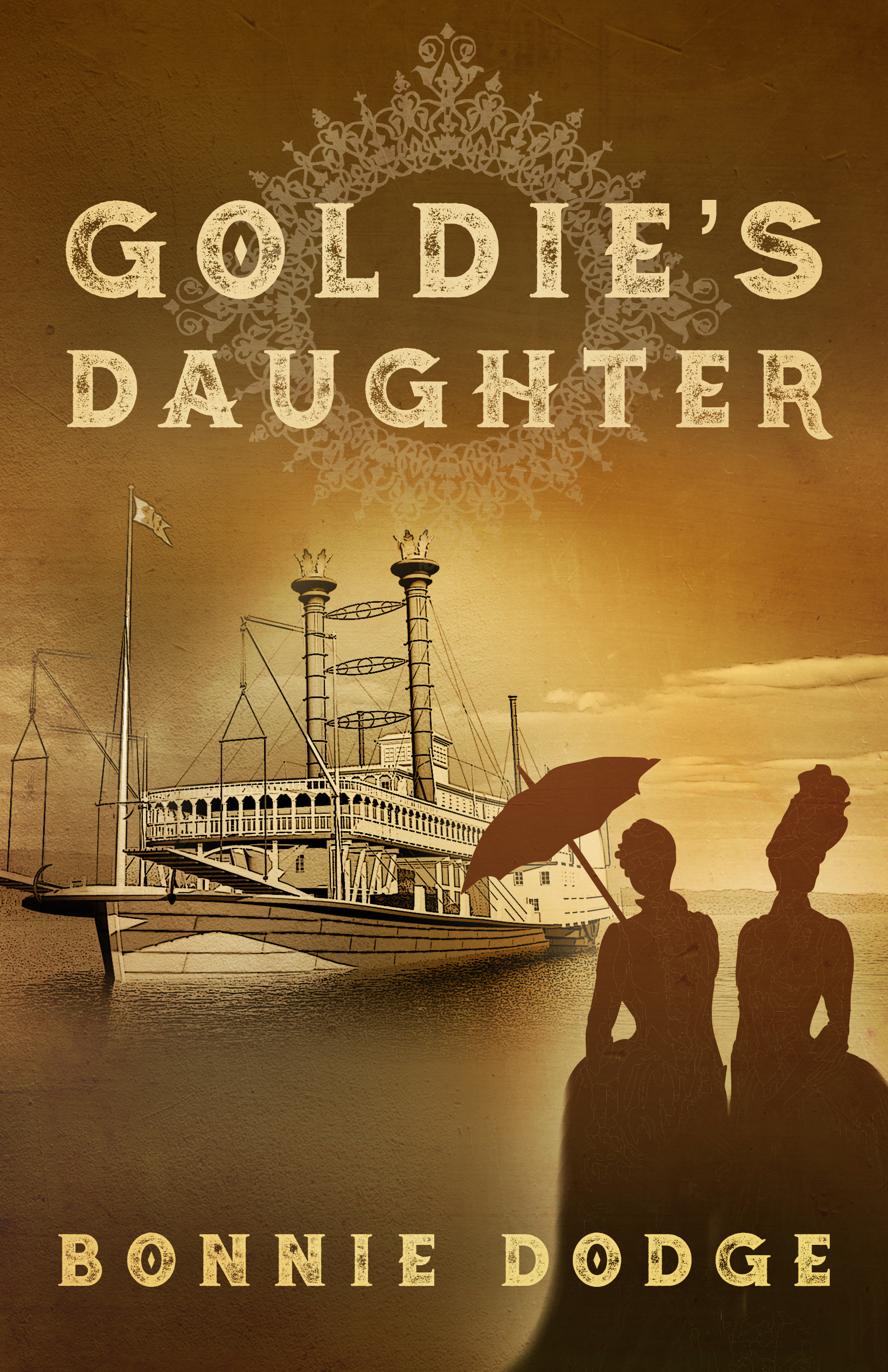
You can read all about Emily’s journey in Goldie’s Daughter.
PERFECTLY IMPERFECT
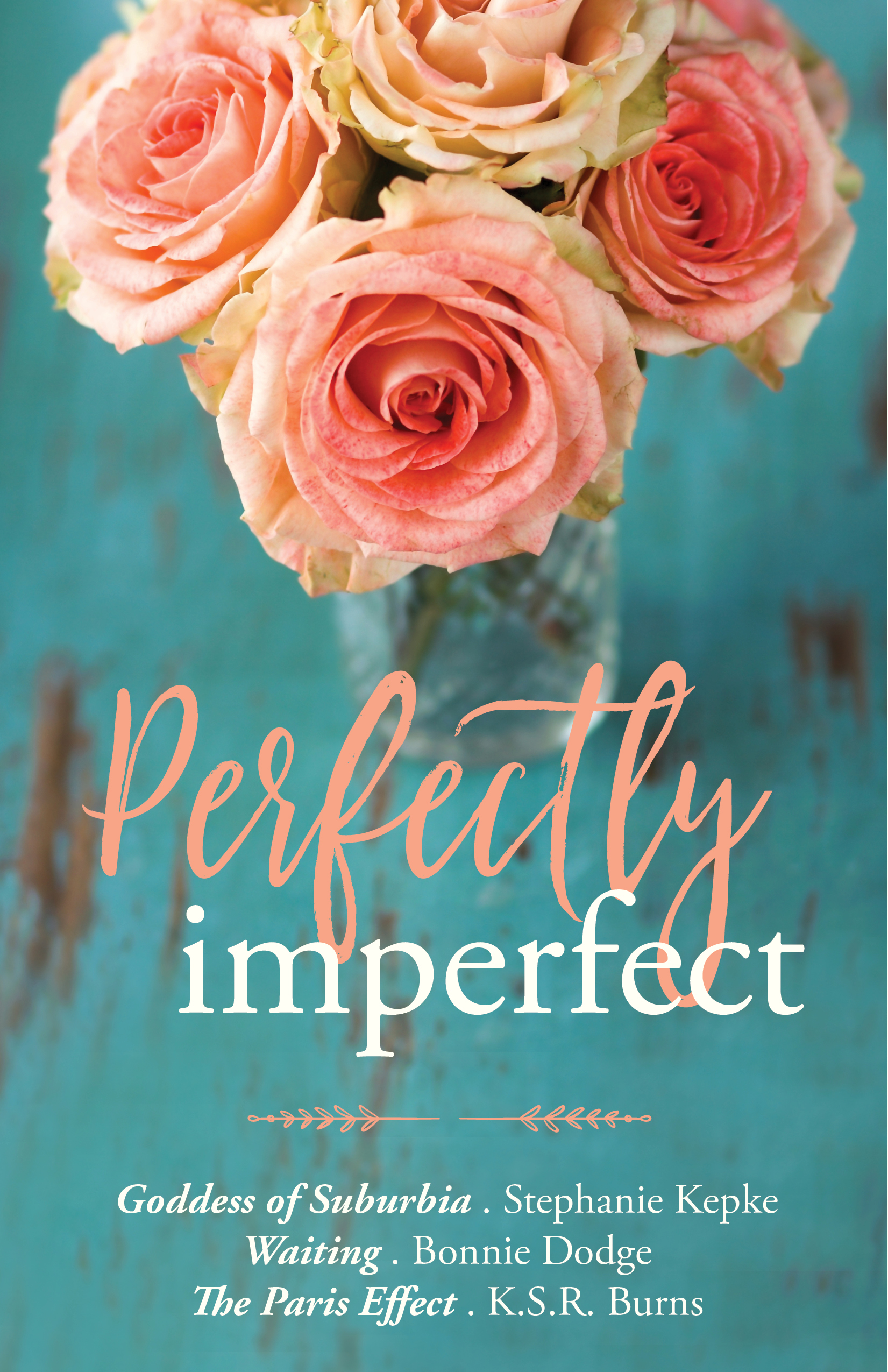
I’m happy to announce that Waiting will be part of an ebook boxed set with two other great books, Goddess of Suburbia, by Stephanie Kepke and The Paris Effect, by K.S.R Burns. Thank you to our wonderful publisher Booktrope for this opportunity, and to Michelle Fairbanks for the fantastic cover.
Here’s the scoop on this exciting new project:
The Perfectly Imperfect boxed book set consists of three novels about strong women in transition.
Suburbia meets scandal in Stephanie Kepke’s Goddess of Suburbia, a hopeful and honest portrayal of that moment in every woman’s life when it’s time to make a change, even if that means risking losing it all. When pillar of the community and PTA mom, Max, finds herself embroiled in an Internet scandal, she must learn to stop living her life on auto-pilot or forever remain a suburban lemming running toward the cliff of old age. This story is a must-read for women looking to reconnect with their passions and live authentically.
In Bonnie Dodge’s Waiting, three generations of Foster women, senior citizen Maxine, attention-seeker Grace, and aspiring artist Abbie, think they are nothing alike. But they all share a secret. They wait. For love, for attention, for life, for death. In their journeys between despair and happiness, they learn there are worse things than being alone. Like waiting for the wrong person’s love. With sensitivity and humor, Waiting carries readers into the hearts of three women who learn that happiness comes from within.
In K. S. R. Burns’s highly praised debut novel, The Paris Effect, a food-obsessed young woman sneaks away to Paris without telling anyone. Not even her husband. Once there, she’s robbed, stalked, arrested, and kidnapped (almost). Worse, she finds that her numerous issues have come right along with her. Grab a croissant and settle in for a decidedly non-touristy trip to the City of Light.
An amazing deal for three terrific stories in one ebook. For updates on our release date, launch parties, and more, like the Perfectly Imperfect Facebook page. Be sure to check the page often.
Rain or Showers; That is the Question
When we were contemplating a move to Oregon, we were warned about wind and rain. “Stay away if you don’t like the rain,” we were told. “It rains there every day.”
Well, not really. It doesn’t rain every day, but yes, it does rain a lot. In southern Idaho rain is scarce. We were lucky to see ten inches of rain a year. In Oregon we see that much rain in one month. Idaho weathermen talk about wind and drought. Oregon weathermen talk about rain and showers.
“What is it?” my husband asked me the other day. “Rain or showers?”
Thus began the debate. Was it raining, or was this a shower? We asked our resident son. “It’s raining,” he said.
“No,” his wife said. “It’s a shower.”
Which sent me to the Internet and dictionary. What should be easy to differentiate appears to be tricky. Even though “showers” are indeed rain, there’s a subtle difference as far as weather forecasts go.
This is what I learned.
“Rain” as in “a rainy day” or “occasional rain” is more widespread. Most, if not all, of the area will see rain and it will last for a while. Unlike rain “showers” the duration of rain is steady and prolonged. Rain tends to be light to moderate in intensity and generally comes from stratus clouds. Rain usually lasts longer than showers.
“Showers,” on the other hand, are more scattered. It could be raining in Lincoln City, but dry in South Beach. Showers tend to be shorter in duration, while rain could last all day. “Showers,” also known as “rain showers,” tend to be quick and come in bursts. Showers come from puffy clouds or cumuliform clouds like cumulus or cumulonimbus. Compared to rain, showers cover a smaller area but can be more intense. Conversely, showers are more dispersed than rain. Isolated showers are those that are divided during a certain time frame. Local showers is rain that happens in a much smaller area of coverage. There are also patchy showers, which happen irregularly within a specific area. Showers often start and end more abruptly compared to rains.
Yesterday we drove to Lincoln City and it started to rain. “So,” I said. “Is this rain or showers?”
My husband turned on the windshield wipers. “Showers,” he said. “Anything over three clicks on the wiper switch is showers, not rain.”
So there you have it, if you ever get caught in a debate about rain or showers. Either way you’ll need an umbrella.
Diabetes and Me
I just returned from the doctor. There is good news and there is bad. The good news is that the new doctor was personable, asked lots of questions, talked to me instead of a computer, and gave me a good sense of well being. The bad news is that my A1C reading was 9.1.
I have an autoimmune disorder that acts like Lupus without the rash. Most days I feel like crap. On the outside I look great and full on energy, but on the inside I fight to function. I’ve had this disease for many years and I don’t run to the doctor every time I feel sick. But a few years ago I was scheduled to fly to Portland to see my grandchildren and I felt awful. Too sick to get on a plane. So I called my doctor and made an appointment. Eight hours later I had a diagnosis. Diabetes Type II. Yeah, happy birthday to me.
That was four years ago and it’s been a daily battle. The first two years I was able to keep my A1C numbers in the 6.1 range with diet, exercise, and oral medications. Then the numbers started climbing and no matter what I did I couldn’t bring them down to a healthy level. So I wasn’t surprised when my new doctor told me my A1C was high. What surprised me was that it had jumped two whole points in six months in spite of a low carb diet and exercise.
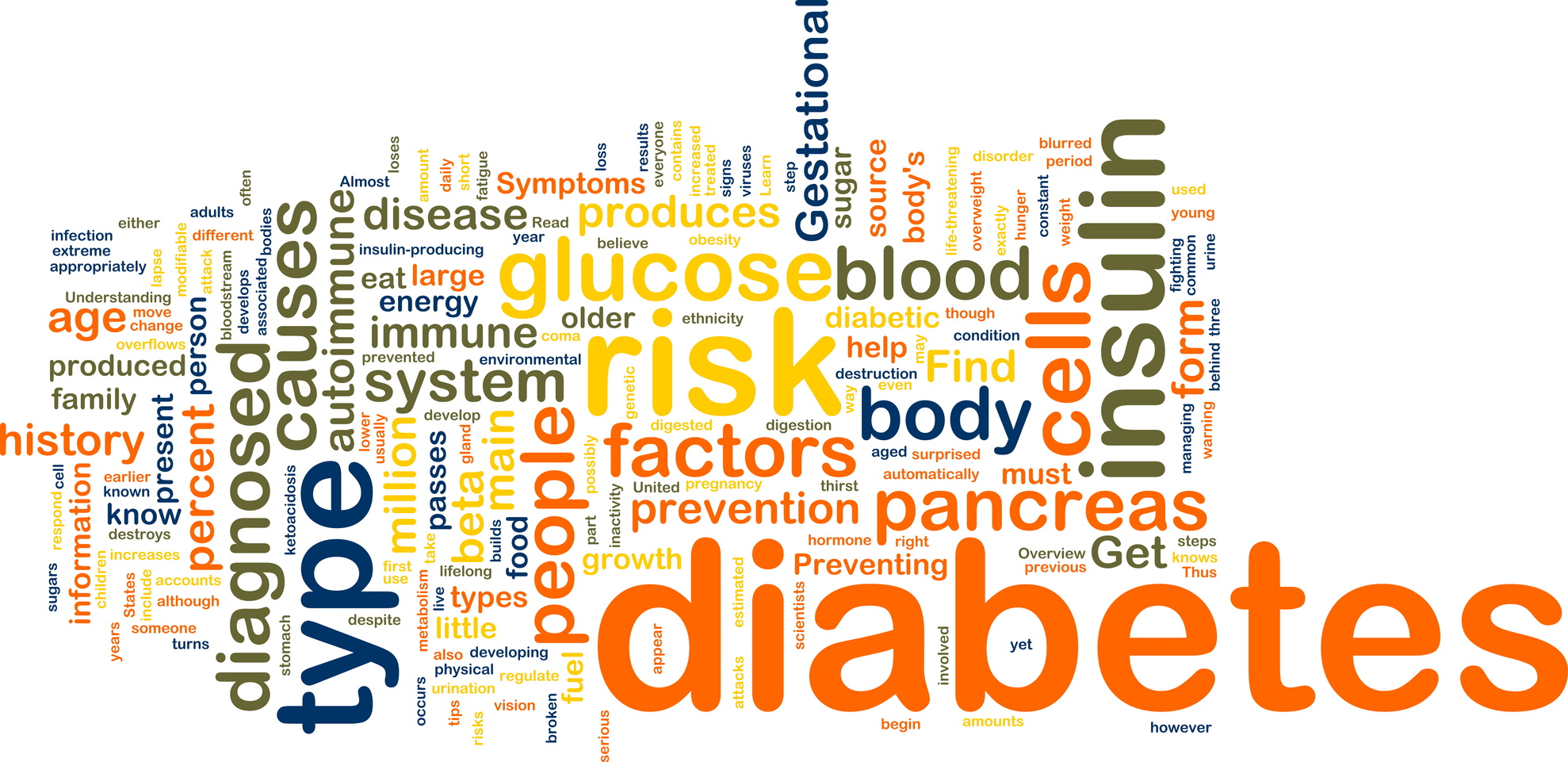
People with diabetes have bodies that don’t use insulin properly. Over time their pancreases can’t make enough insulin to keep their blood glucose at normal levels. Their pancreases may even stop working.
According to a recent report, there are about 27 million people in the U.S. with Type II diabetes. Another 86 million have prediabetes, which means their blood glucose is not normal, but not high enough to be diabetes yet.
So why am I telling you this? To bore you? To make you sad? To scare you?
To warn you. To encourage you to pay more attention to your health so you won’t end up like me, pricking your finger twice a day, counting carbs, and wishing you didn’t have to watch every thing you put in your mouth.
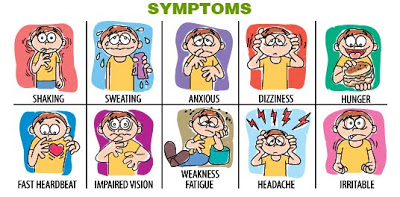
I was naïve. I knew lots of people with diabetes. I knew so many I began to believe diabetes was innocuous. People didn’t die from diabetes. Well, yes, they DO die from organ failure and heart disease, all a result of diabetes. Television commercials lead you to believe living with diabetes is no big deal. You can go to picnics. You can eat hot dogs and corn on the cob. You can smile and dance and have fun.
The reality is living with diabetes is HUGE. It’s hard work. Even with diet and exercise most days it feels like I’m are playing Russian roulette. I’m afraid to test my blood sugar because I don’t want to see the high numbers. It scares me and makes me depressed.
Be smarter than me. Any type of diabetes is a big thing. If your doctor says you are prediabetic, pay attention. Stop eating flour, sugar, and high carb foods immediately. Begin an exercise program and stick to it. Keep your blood glucose numbers between 80 and 100. That way you can truly be happy and healthy and smile and dance and have fun.

Do You Blog?

The first thing an agent, editor, or publisher asks a writer is, “Do you have a blog?”
Blog, you say. What is a blog? Why do I need a blog?
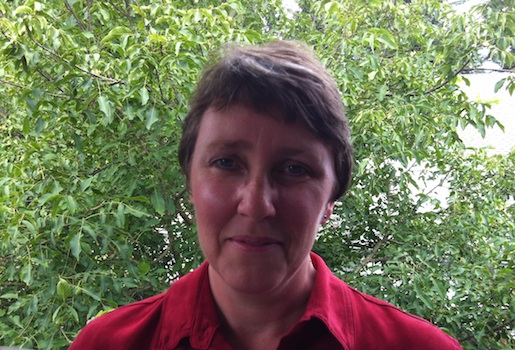
Social Media and WordPress Consultant Barb Drozdowich wants to tell you. She just released her book The Essential Marketing Tool for Authors: Book Blog Tour, a helpful guide in making sense of all the shoulds, woulds, and coulds.
Barb has taught in colleges, universities, and in the banking industry. More recently, she brings her 15+ years of teaching experience and a deep love of books to help authors develop the social media platform needed to succeed in today’s fast evolving publishing world. She owns Bakerview Consulting and manages the popular blog, Sugarbeat’s Books, where she talks about Romance – mostly Regency.
She is the author of six books and over twenty YouTube videos all focused on helping authors and bloggers. Barb lives in the mountains of British Columbia with her family.
I am so happy to have Barb Drozdowich here today. Please ask her lots of questions about blogging, and just in case you already know Barb, here are some things you may not know.
Fifteen things you may not know about Barb Drozdowich
Why did you become a Writer? How did you get started?
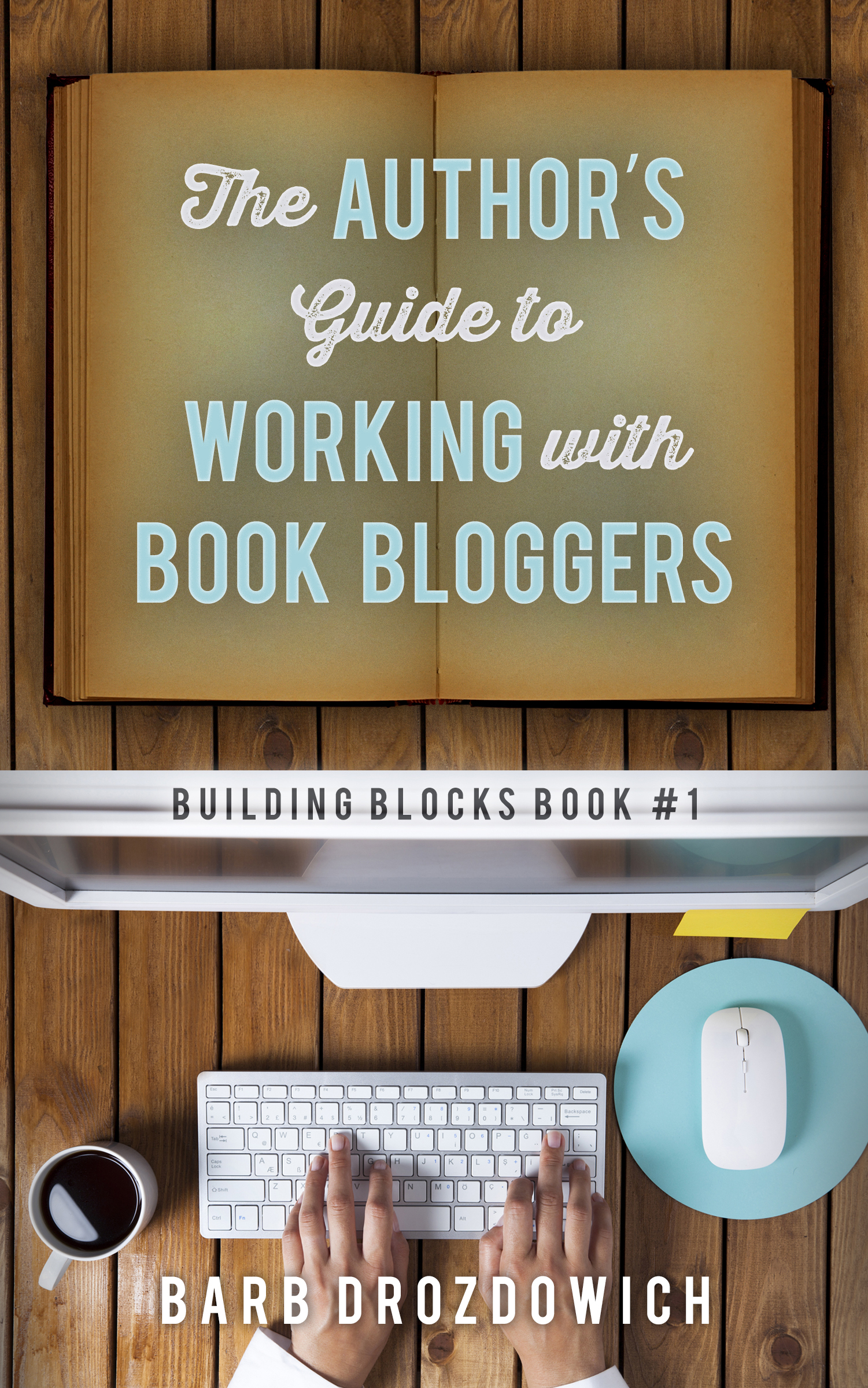
I’ve always been required to write quite a bit in my various jobs. After doing a survey of book bloggers in 2013, I decided I needed to publicize the results – to create a bit of a summary to accompany the results and make it available to anyone who was interested. The best way to do that was by creating something to publish on Amazon. As I created a summary of the results, I decided to make the book so much more. There was and is a lack of understanding of the role book bloggers can play in the promotion of books and I decided to use the book to be a comprehensive guide rather than just survey results. This first book, The Author’s Guide to Working with Book Bloggers started what would become a series of 6 books all aimed at helping authors and bloggers with various technical subjects.
What is your writing routine? How do you discipline yourself to keep at it?
I have a house with young children, so my writing fits into whatever spare time I can find. And sadly, I’m not very disciplined but I respond really well to deadlines. 🙂 I can produce an amazing amount of material just in the nick of time. I think that will be my reality, until the kids are grown.
How many drafts before you feel the book is finished?
I create a rough draft that is hopefully pretty complete in terms of content and fire it off to some wonderful beta readers. I get them to tell me if the content is complete, and whether or not it is understandable. Usually they have some changes that they feel need to be made. Once I make the changes that my beta readers suggest, I fine-tune the language and grammar and I then send the book to my outstanding editor. She typically does two rounds of editing followed by proofreading and we are good to publish.
What was the best thing that happened with regard to your writing career? The worst?
The best thing that has happened to me because of my writing is getting notes from authors thanking me – helping them to understand the subjects I cover. I haven’t had a worst yet. Even the critical reviews that I’ve gotten have been well balanced and constructive – no trolls yet!
What part of your job do you love the most? Hate or dislike the most?
I LOVE working with authors. My background is as a technical trainer and I can easily break down technical subjects and explain them in a way that non-technical people can understand.
I’m a voracious reader and anything I can do to help authors sell more books, write more books, I’m happy to do! Often authors spend writing time trying to figure out the various technical tasks that they need to do as part of their job. If I can help them understand various tasks or help them do things more efficiently, they have more time to write books – it’s a win-win for us both.
What do you like to read? Do you read while working on a book? Favorite authors?
I always have a book or two on the go. My genre of preference is Historical Romance and I have many favorite authors! I read a lot of technical information to help me stay on top of my regular work so the escapism of romance helps me shut my brain down at the end of a busy day.
What was the best advice you received as a writer? The worst?
The best advice is to keep writing. I haven’t really gotten any bad advice. I’m often the one that is explaining why advice is bad that authors get from other sources. 🙂
Who has influenced you the most in terms of developing your personal writing style?
My biggest influence is my mom, hands down. She’s now a retired English teacher with a wicked red pen – literally – she’s old school with pen and paper and is militant about proper grammar and sentence structure. She was the first person who saw a lot of my writing and there was a sea of red ink at the beginning. I’m learning. 🙂 Now she has to hunt to find something for her red pen.
Do you have a good luck charm or superstition?
No. I’m not really a superstitious person.
If you weren’t a writer, what would you be?
I think I would still be a technical trainer and a voracious reader!
What quote or personal saying do you live by?
I really like two sayings: “Do onto others as you would have them do unto you” and “It is what it is…”
What’s next up for you, writing-wise?
I currently have a box set (combination of the Book Blog Tour book and my Author Platform book) in proofreading and my Book Blogger Platform book is in formatting and should be available any day now. I have a re-write of my Goodreads for Authors book in the hands of some beta readers and I am currently polishing my new book “Blogging for Authors,” in preparation of submitting it to my editor. There should be quite a bit published in the first half of this year.
If you could do anything over again, would you and what would it be?
I don’t think I would do anything over again. I feel that things happen for a reason and whether it is a good experience or a bad experience, I have learned from everything. The sum of my experiences has made me the person I am today.
What advice would you give beginning writers?
Everyone else will tell them to keep writing – which is very true. From my point of view, I would encourage them to create a platform – create a community of friends and supporters that will help with the marketing side of writing a book!
Something we don’t know about you?
My favorite job of all time was working at Toronto’s Metro Zoo driving the trains.
And: What would you like us to know about your latest release?
My latest release is me explaining Book Blog Tours from the point of view of an author as well as the point of view of a book blogger. There is a lot of misunderstanding out there about Tours, and I have written this book to cover all aspects of tours and clear up all the misconceptions. This is a second edition book. In this edition, I have added quite a bit on DIY tours as many authors prefer to set up their own tours.
to learn more about Barb go to :
Author Website: http://barbdrozdowich.com
Business Blog: http://bakerviewconsulting.com
Facebook Author Page: https://www.facebook.com/BarbDrozdowichAuthor
Twitter: http://twitter.com/sugarbeatbc
Google+: https://plus.google.com/110824499539694941768/posts
Pinterest: https://www.pinterest.com/sugarbeatsbooks/
Goodreads: https://www.goodreads.com/author/show/7234554.Barb_Drozdowich
YouTube Channel: https://www.youtube.com/channel/UCSgVt36XlVAHWj5dkSd0Zyw
Tech Hints Newsletter: http://eepurl.com/DfCRj
Amazon Author Page: http://www.amazon.com/Barb-Drozdowich/e/B00EN3CIDM/ref=sr_ntt_srch_lnk_2?qid=1437240887&sr=1-2
Barb, thanks for joining us today, and thanks for all you to do help writers!
Transitioning – Welcome to Winter
When I moved from Idaho to Oregon my biggest fear was how well I would adapt to the wet climate. I’m a sunshine girl. I’ve spent most of my life living on a high desert plain. I know about wind. I know about dry air. But I knew nothing about wet and gray. That nagging voice in my head kept harping, You’re not going to like it. You’re not going to like it.
But this week as I watch the temperatures in Jerome, Idaho, drop to below zero, I’m not so sure. Here in South Beach it’s a misty 52°. Last night temperatures dipped to 45, not 18. This week I didn’t have to wake to -1°. And yesterday I was able to get outdoors and take a walk between raindrops without snow boots and gloves. The air was fresh; the roads were wet, but not icy. And this is December.
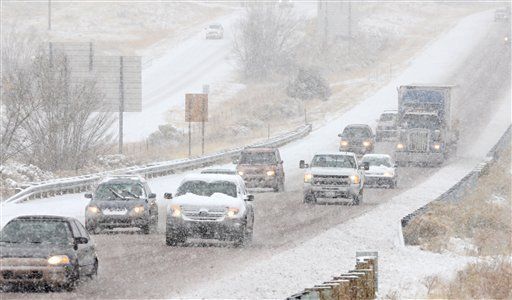
Idaho Decembers can be treacherous, especially the first snowfall and freeze. Cars run off the freeway, pileups happen, summoning a parade of tow trucks until people slow down. December in Oregon is also dangerous. There may not be snow on the road, but there is plenty of freezing rain. You can drive along at normal speed and then bam! you round a corner and hit ice. I’ve had my share of driving winter roads. I know how to maneuver. But between you and me, I prefer snow-covered to ice. Ice is impossible, even with chains.
So though some thing’s change, some things stay the same. It’s winter, and time to take it easy. Maybe it’s nature’s way of telling us to slow down and enjoy the season.

My life in seven years.
#14. Your life in 7 years.
What’s that you ask? My life in seven years? Hmm. What will my life look like or what will have transpired between 2015 and 2022?
The first thing that comes to mind. Will I still be walking Earth when I turn seventy-two? What’s that you say? I have a fifty-fifty chance? Hmm.
My mother passed at age 63 of causes unknown but suspected relating to high blood pressure and hypertension. She died sometime in the night and from the drugs found on the kitchen counter, the coroner suspects she may have had some pain that sent her in search of her meds. A heart attack, maybe. No autopsy, so we’ll never know. The last year of her life wasn’t so great, being married to an alcoholic who broke her arm the day before Thanksgiving. Still, she loved him in that way women do when they settle. I suppose she was as happy in her relationship as she allowed herself to be. I suppose she was content to spend hours on the sofa crocheting while she watched TV.
My father died at age 78 from complications related to kidney failure. The last week of his life was filled with excruciating pain and I remember him popping pain killers like M & Ms. They didn’t help and there’s no doubt that his passing gave him nothing but relief.
Which brings me back to the question and me sitting here talking with you. Where will I be, what will I be doing the next seven years?
Turning sixty-five was no big deal for me emotionally. In my head I’m still forty. But in the United States sixty-five means Medicare and at my age that’s a milestone because, unlike some of my friends who have aged well, I have struggled with an autoimmune disease and Ménière’s for more than twenty years. I know the meaning of a good day; I don’t have them often. With any chronic illness there are days when you would just rather stay in bed buried deep under the blankets because sleep provides the only comfort, until it doesn’t. What’s that you ask? What’s all this mopey talk about death, pain, and dying? Let me explain.
Time has always been a huge issue with me. Never enough time to read, to work on projects, to take that special vacation, to enjoy my surroundings. Three years ago one of my writing buddies succumbed to cancer. She was writing her memoir and excited about sharing it with the world. By exploring her past she was changing. Acknowledging the wrongs she endured opened her up. She was happier, more friendly, more excited about facing tomorrow. When she passed, still hoping to finish that memoir that explained what it felt like to be the younger sister to a mentally ‘retarded’ brother—her word, not mine—it broke my heart, and I will always remember her as someone who left this earth too soon with work undone. But I suppose that applies to most of us.
What’s that you say? I’m rambling and avoiding the question? Hmm. Perhaps, but I don’t think so. A college professor once posed the question, “Would you like to know when you are going to die?” I was taking a literature in the Bible class. He was staunch Catholic. A few students said, yes, they wanted to know so they could prepare. Others like me had no desire to know.
Here’s the thing. I just made a major life-changing move. Nothing about it was easy even though in my heart I had already left my current home with visions of how wonderful my new home and surroundings would be. Major life-altering realities tornadoed around me, not the least of which were leaving behind specialists who had cared for my husband and me most of our adult lives.
But life is fluid. It ebbs and flows, and when it doesn’t you begin to die. Like my mother. Like my father. Like my writing buddy who was just learning to love herself. Life is not stagnate. You keep moving or you start to decay.
So, you say. Get to the point.
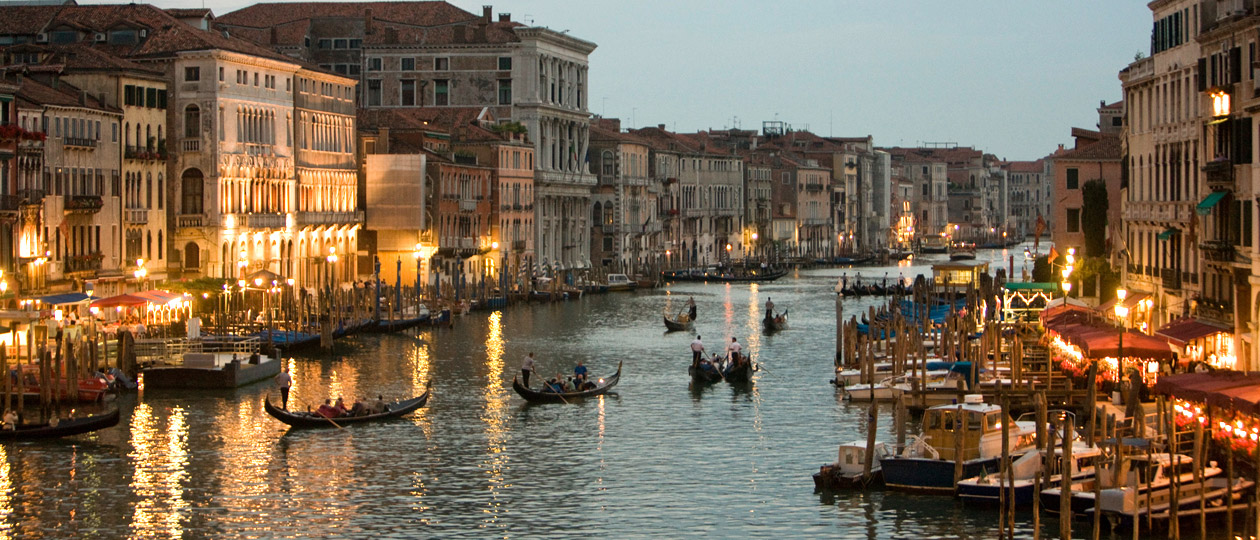
My life in seven years. Yes, I can give you a bucket list.
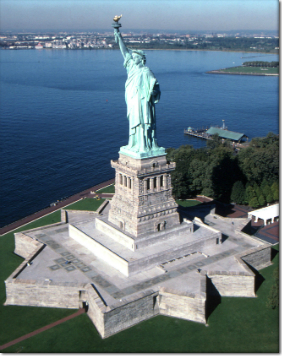
- See New York, Times Square, and the Statue of Liberty.
- Publish three more novels.
- Take a European vacation with my husband, my son and his wife.
I know how to make lists. I used to do it all the time. In five years I want to be retired. In ten years I want to visit Spain. But I don’t really expect my life to look like that. With any luck it will look like my life today. Ticking away too fast. Reminding me to declutter. Reminding me to let go of things that don’t really matter. Pushing me to follow a new path and challenging me to enjoy the journey.
But here’s the truth. At this moment, with my dogs cuddled at my side and a pen in my hand, I can think of nothing else I need or want. I can think of nowhere else I’d rather be, not even seven years from now.
Transitioning — I ♥ Newport
Yesterday I received an email from my brother. So, it said, do you still like it there?
Let me think.
I’m headed into the third month in my new house. The boxes are unpacked. Everything has been put away or donated to Goodwill. Most of the pictures are on the wall, with the remaining three in a dining room chair waiting for me to find the perfect place. Finally there is time to take a walk through the wooded neighborhood or sit in front of the window and sip coffee. Finally there is time to take in some community events, which are many.
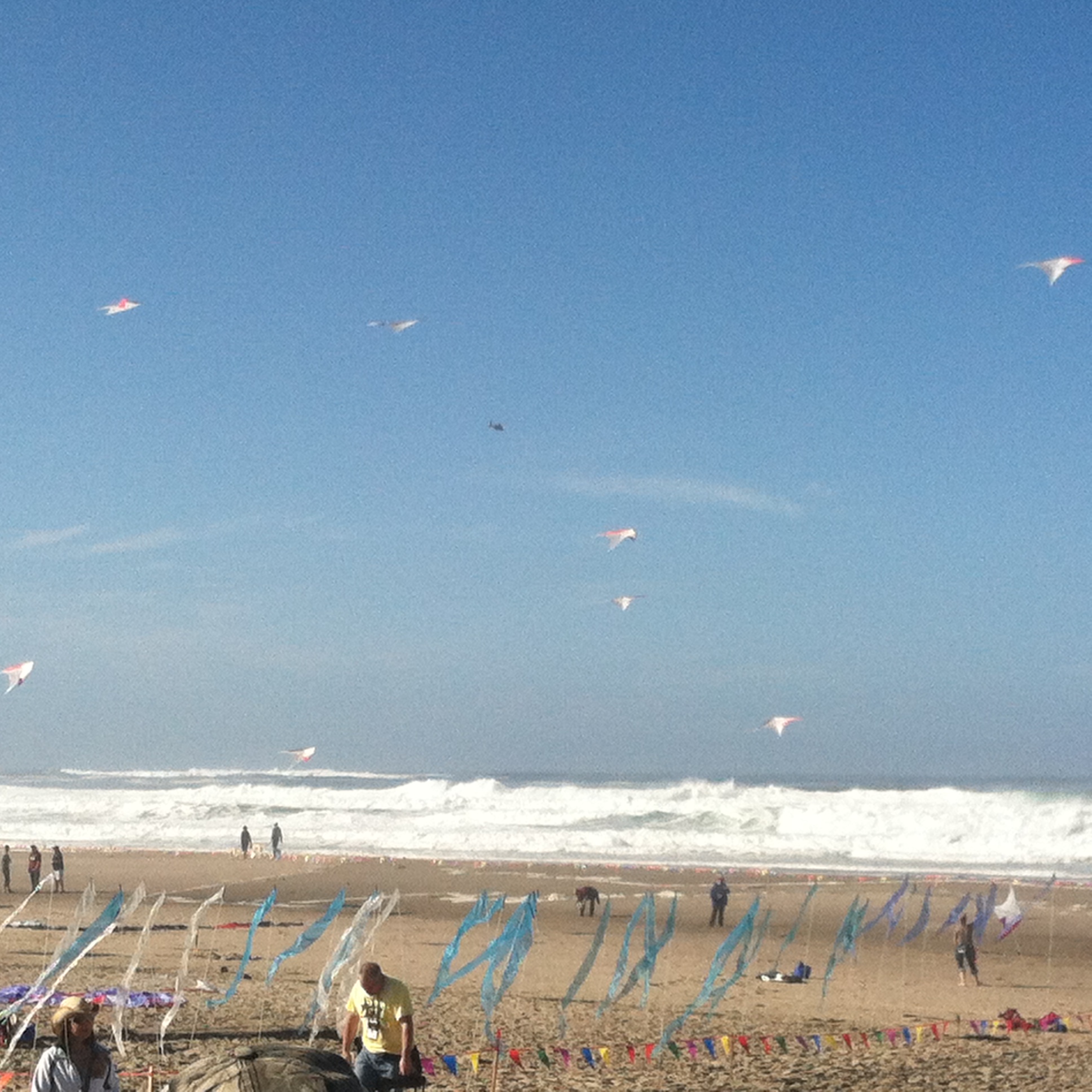
In spite of the loud clothes my husband sports, we are quiet people. We don’t like a lot of hustle and bustle or big crowds. Newport is anything but quiet during the summer months, but come September vacationers return to their homes and things settle down here. But not too much. In fact, not at all. We’ve discovered there is always something to do on the Oregon Coast. From Lincoln City to Florence, there is always something going on: farmer’s markets, mushroom walks, kite festivals, writing workshops, woodworking classes. This is not a community of old people. This town is very active.
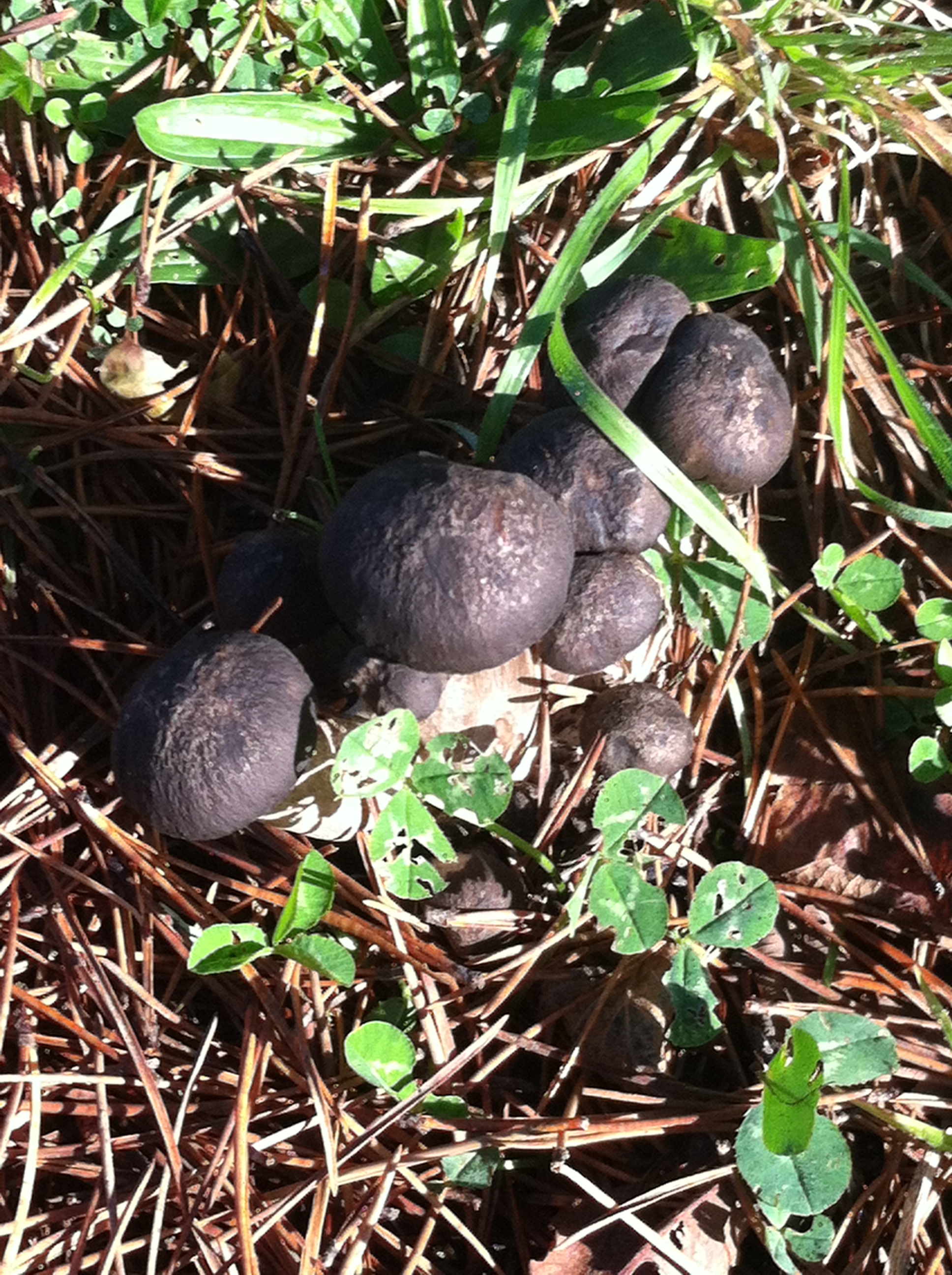
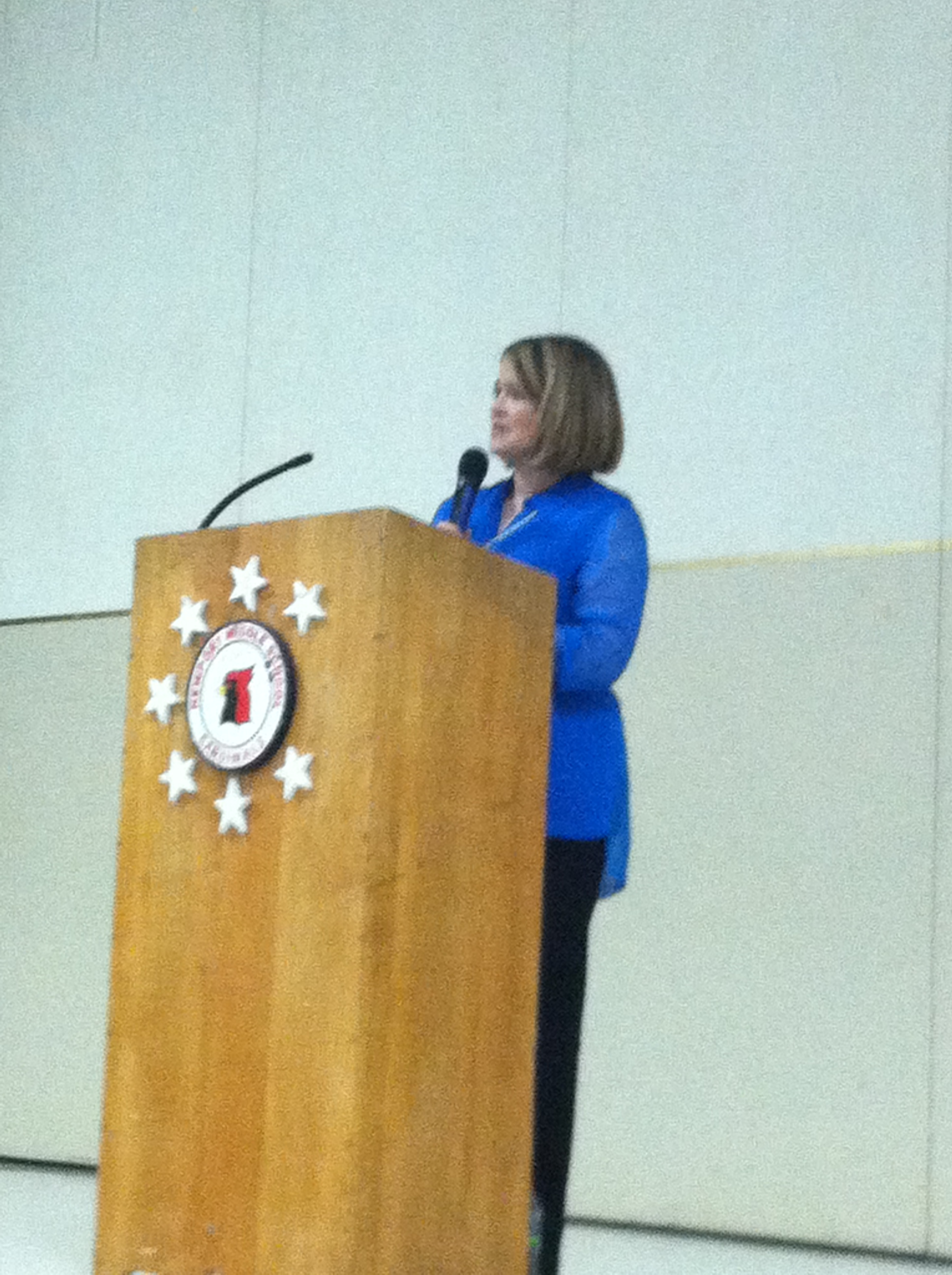
Newport isn’t as big as Jerome, Idaho, which boasts approximately eleven thousand people. Newport has a population of about ten thousand after tourist season. Newport has a great medical facility and the library is awesome for such a small town. Just this week the Newport Public Library Foundation sponsored author Marja Mills, who spent her day talking to Newport students and then, that night, read from her book and shared with the community what it was like to live next door to Alice and Harper Lee in Monroeville, Alabama. The evening was interesting, and it was free.
Today the sun is shining. Outdoors it’s a balmy 50 degrees. There is no wind. There is no snow. There is no freeway traffic.
So, to answer my brother. Yes, I still like it here. No, wait, that’s wrong. I not only like it here, I think I’m in love.
Things That Go Burp in the Night
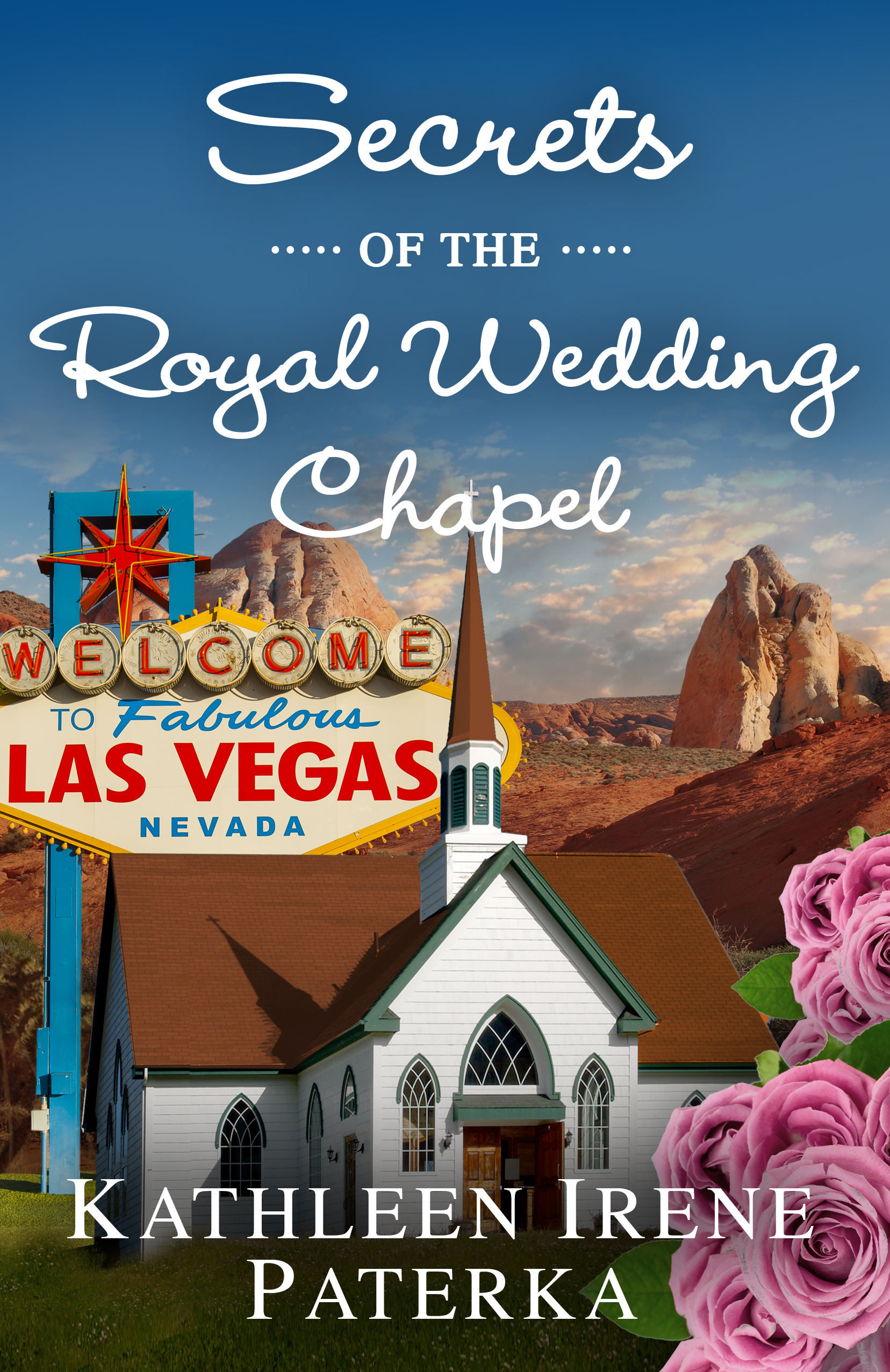
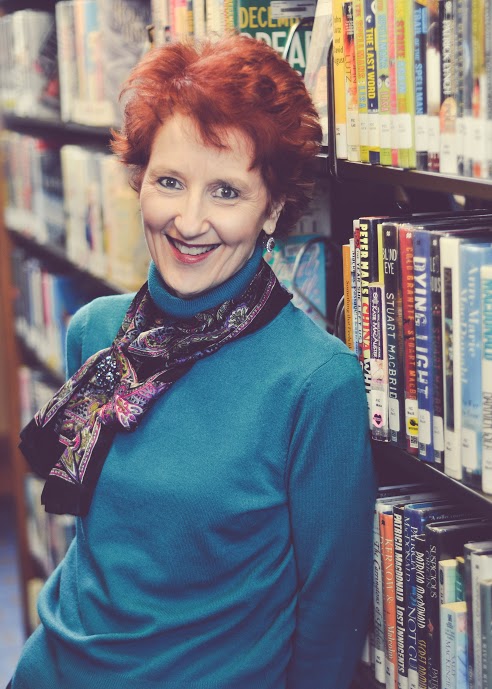
I am pleased to have as my guest today Kathleen Irene Paterka and to participate in the blog tour for her new book, Secrets of The Royal Wedding Chapel. Kathleen is an Amazon bestselling author of numerous women’s fiction novels including Fatty Patty, Home Fires, Lotto Lucy, and For I Have Sinned. While her novel The Other Wife is set in Chicago, Secrets of the Royal Wedding Chapel takes place in Las Vegas. Kathleen lives in Northern Michigan with her husband Steve, where she is busy working on her next James Bay novel. Today we are talking about Halloween. Please help me welcome Kathleen.
Things That Go Burp in the Night
Halloween is a great time for ghosts and goblins, freaks and frights, spooks and scares, and things that go burp in the night.
Burp? Wait, was that a typo? Didn’t I mean ‘things that go bump in the night’?
Nope, I meant burp. As in: I spent all of my post-trick-or-treat Halloween nights burping from all the candy I gobbled up. Trick-or-treating door-to-door has been a staple of American tradition for as long as I can remember. When I was a kid, the focus on Halloween was all about trick-or-treating. Halloween has since been hijacked by adults, and is now the second most popular holiday of the year (Christmas remains #1). Spooky decorations and adult-themed Halloween parties gain in popularity every year. But kids still love trick-or-treating. FREE CANDY! What’s not to love about free candy?
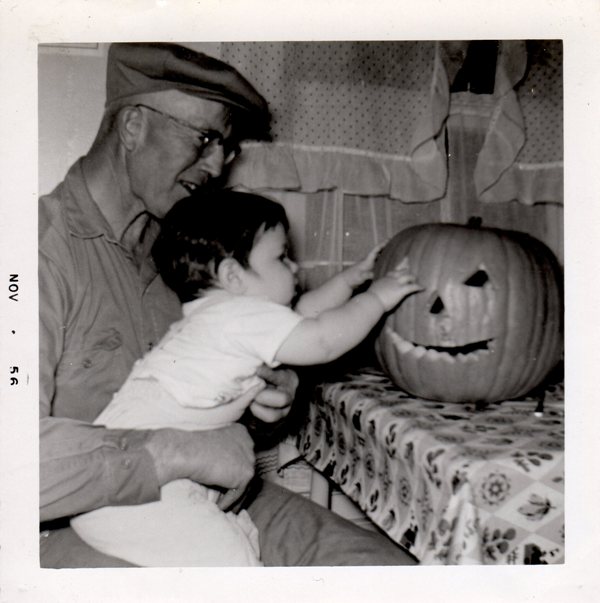
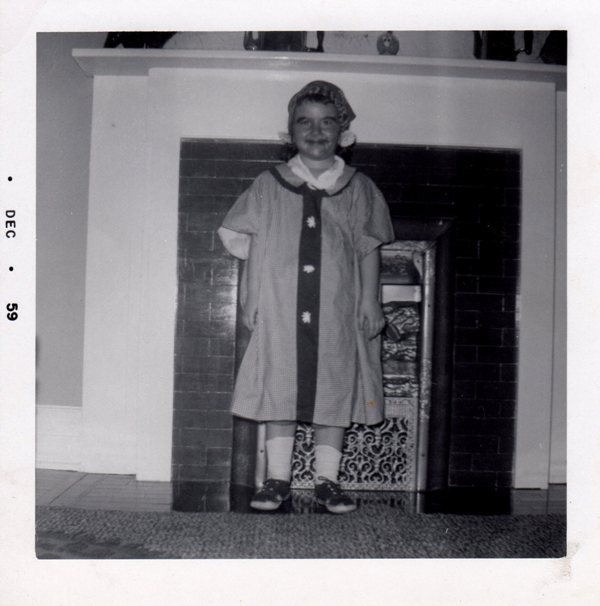
I ate a lot of candy when I was a kid, and Halloween was one of my favorite nights of the year. We used to carry pillow sacks to haul around the candy we collected. Pillow sacks were great; they didn’t break like the regular brown paper sacks from the grocery store. At the end of our trick-or-treating night, my sister and I would dump our pillow sack hauls all over the living room rug and sort through our candy. I usually ignored the candy corn, the wrapped hard candy, the individual Hershey kisses, and went straight for the hard stuff: the little candy bars, especially Butterfingers. I’d devour each and every one of the candy bars before I went to bed. And then the burping began.
 So did the overeating.
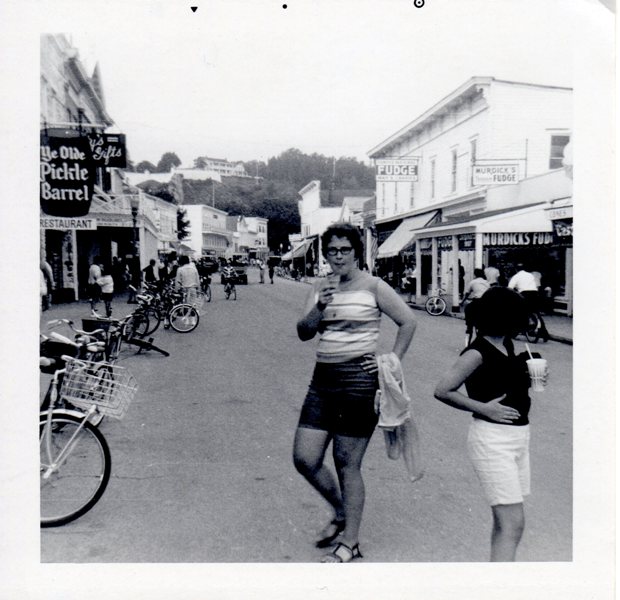
Back then, I wasn’t worried about calories. I was eating the candy as fast as I could. And guess what happened? I gained weight. As in, I was one of the chubby kids. A plump baby, a chubby kid, and a fat teenager. By the time I graduated from high school, I weighed 300 lbs. Granted, when you’re 5’11” like I am, it’s easier to carry the weight… but people still noticed. Most of all, I noticed. And I hated myself for being fat. I swore to myself that someday, once I lost the weight, I’d write a book about what it felt like to live fat in a thin world.
It took some years before I managed to achieve those goals. First I had to lose the weight. Part of it (most of it) happened while I was in college. I met my future husband, we married, and eventually had a daughter. Life was good… if you were on the outside looking in. But from my viewpoint (inside, looking out), I was still messed up. I couldn’t deal with the constant dieting, the yo-yo binge eating. Here’s how bad things got: when our daughter was little and would go trick-or-treating, I’d ‘steal’ her Halloween candy after she went to bed. “Who ate my candy?” she’d ask the next morning when she checked her stash. “You must have done it before you went to sleep,” I’d reply. Do you know what it feels like, lying to your own child? The guilt kept me eating. I couldn’t tell my daughter the truth. I couldn’t even tell myself the truth. I ‘played’ with an extra 35 lbs. And finally, one day, after I grew sick and tired of being ‘sick and tired’, I finally said, “No more.”
That was the day – May 29, 1989 – when I turned my back on sugar. That was the end of my Halloween candy binges. And that was the day I started writing the book that had been in my heart for years.
Fatty Patty was my debut novel. It’s the story of Patty Perreault, an overweight school teacher who’s been looking for love at the bottom of a cookie bag all her life. When one gorgeous hunk of a man takes up residence behind the desk of the adjoining 5th grade classroom, Patty decides it’s time for some serious dieting. Add an overweight accountant with romance on his mind to the mix cooks up a recipe for a dieting and dating disaster. Patty needs to learn to put down the fork and give her heart a try if she ever hopes to become the woman she wants to be …emotionally and physically.
Does Patty figure out how to put down the fork? I’ve included an excerpt from the novel for you to see how she struggles with food. Patty loves her chocolate. Saying ‘no’ isn’t easy. Putting down the fork isn’t easy. It’s simple, but it’s not easy. But for today, I’m here to tell you that putting down the fork made a huge difference in my life. I lost the extra pounds 27 years ago, and they no longer haunt me like ‘candy-ghosts-of-Halloweens-past’. No more burping my way through Halloween (or any other holidays). I’m free of food obsession. I can wheel my cart down the candy aisle of the grocery store without being afraid of what might happen. Not only am I sane and happy, I’ve also written five other novels; my latest book, Secrets of the Royal Wedding Chapel, is an October 2015 Booktrope Editions release. For today, I’m living a life beyond my wildest dreams, and every day is worth it.
Halloween candy tastes good, and gives you a sugar high… but nothing tastes as good as being high on life.
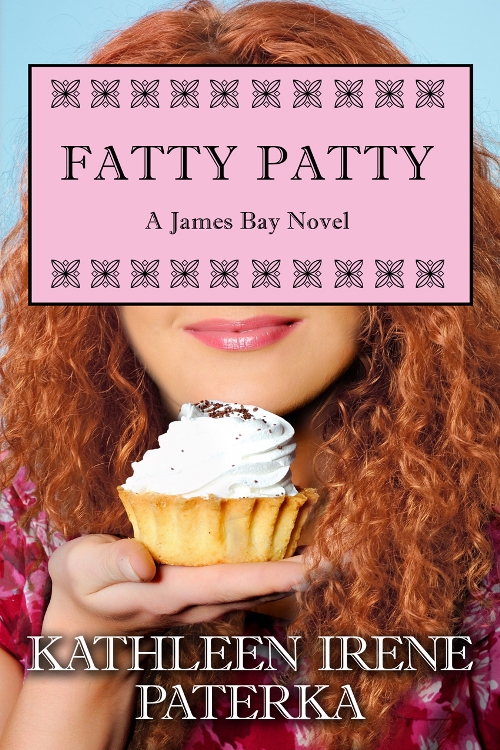 Excerpt from Fatty Patty:
I don’t drink, I don’t smoke, I don’t do drugs. If chocolate is like a drug, I probably qualify for Chocoholics Anonymous. But first, I’d have to be willing to give it up. Which I’m not. I’m not an addict. Besides, everyone deserves a treat now and then. And I’ve been good for so long—how many days now?— and I’ve only lost four pounds.
Tyler offering me that cookie on the playground earlier this morning started the ball rolling. All day long, I couldn’t let go of the thought of chocolate. And instead of hitting the pool on my way home from school, I detoured to an out-of-the-way party store on the other side of town where I grabbed a six-pack of my favorite candy bars. Why? There’s got to be a reason. But at the time, I didn’t want to think about the why. I didn’t want to think, period.
I just wanted the chocolate.
The first candy bar was gone as soon as I hit the car, before I even fastened my seatbelt. I barely tasted it as it slid down my throat and it only whetted my appetite for more. I ripped into the lush caramel and rich dark chocolate of the second one as I nosed the car out of the parking lot. I gnawed through the third wrapper with my teeth as I pulled into traffic.
And now that Priscilla’s finally off to bed, the other three are waiting.
I creep up the stairs, school bag in hand, and slip through my bedroom door. I throw the lock, then flop on the bed in the darkness. Moonlight filtering through the window is my only witness as I peel the wrapper off the fourth candy bar, settle back in the pillows and savor the lush sweetness filling my mouth. I’ve deprived myself far too long. The second gooey bite is even better than the first. Chocolate bliss. I’ve died and gone to heaven.
Polishing off the fifth candy bar takes a little longer. The craving is gone and I force myself to finish. I’m in no rush to unwrap the sixth candy bar. My stomach feels queasy. Maybe it would be better to stash it somewhere and save it for later. But if I don’t eat it now, that one last candy bar will be staring me in the face tomorrow morning… a big gooey reminder of what I’ve done. I rip off the wrapper and stare at the chocolate. Tomorrow, I promise myself. Starting tomorrow, I’ll put myself on a brand new diet. Starting with breakfast.
Food. Ugh. My stomach lurches and I drop the candy bar. My breath reeks of chocolate and I stumble into the tiny bathroom off my bedroom. I use my toothbrush like a weapon, attacking the enemy sugar on my teeth, scrubbing away the contraband. I swish water back and forth under my tongue, around my teeth, spit it in the sink. Somehow I find the courage to face myself in the mirror. It’s not a pretty picture. Hollow, bloodshot eyes; mascara staining my face. I don’t recognize this person.
What is wrong with me? Why in God’s name did I do this? What happened to my resolve? What happened to my dreams of being thin?
What would Nick think if he saw me like this?
No more chocolate. Never again.
I pull off my clothes, drop them in a heap on top of the bathroom scales. Pulling a cotton nightgown over my head, I shuffle back into the bedroom, flop on my bed, and set the alarm. School again tomorrow. If only I didn’t have to go.
If only…
If only I hadn’t given in. Why did I crack? Now I have to start all over again.
What a horrible feeling.
But not as horrible as knowing when tomorrow dawns, there’ll still be that one leftover candy bar taunting me from the bedside table. Suddenly I grab it, crinkle the wrapper around the candy so I won’t smell the chocolate, then toss it in the trash, burying it under some used Kleenex and an old magazine.
I hit the light and try to settle down. Nick’s face dances in the darkness. What is it with him? Why is he being so nice to me? I don’t know anything about men. The three guys I dated in college turned out to be losers. So what do I do now? I’ve never chased a guy in my life. And Nick isn’t just any guy. He’s gorgeous and available—the type who attracts women wherever he goes. Nick is in the big leagues and way beyond my reach.
Isn’t he?
I punch the pillow and flop on my side. If only I looked like Priscilla. If only I could lose ten pounds. If only I had the courage to try.
But I’ll never find it if I don’t get myself back on track.
And back on a diet.
Brand new diet. Brand new beginning. Brand new me.
Starting tomorrow.
I sit up straight in bed. Damned if I want to wake up tomorrow, knowing that last candy bar is hanging around to haunt me.
I fumble through the wastebasket in the darkness. My fingers snag the wrapper, then curl around the candy. I take one bite, force down another. The craving is gone. I’ve already brushed my teeth and the chocolate tastes like chalk. I choke down the last bite, throw away the wrapper, and head back into the bathroom for one more bout with my toothbrush.
This hasn’t been the best day. I’ve broken my diet, upset Priscilla, shamed myself… and all for what? Why did I buy that chocolate in the first place? It’s not like I even wanted it.
What I really wanted was cookies…
Thanks for stopping by, Kathleen. I love the pictures.
to connect with Kathleen:
Kathleen’s website: http://www.kathleenirenepaterka.com
Subscribe to Kathleen’s newsletter: http://kathleenirenepaterka.com/for-readers/
Find her on Facebook: https://www.facebook.com/KathleenIrenePaterka/
Find her on Twitter: https://twitter.com/KPaterka/
Find her on Pinterest: http://www.pinterest.com/kathleenpaterka/
Fatty Patty on Facebook:
https://www.facebook.com/FattyPattybyKathleenIrenePaterka
Transitioning . . . Trial and Error
 September 1, 2015
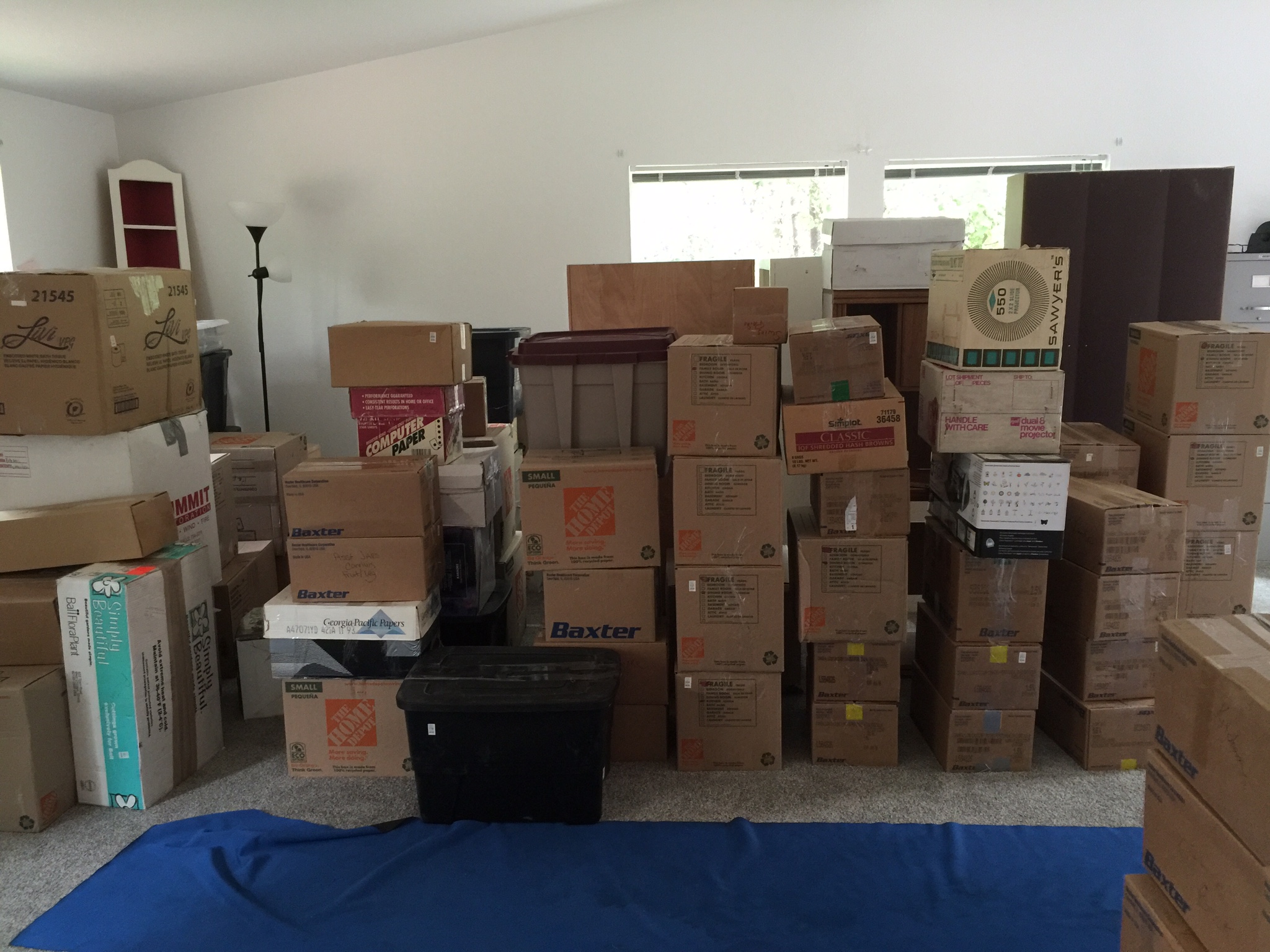
The boxes have arrived and I’ve started the daunting task of putting things away. This is the third major move for me, and by far, feels like the hardest. At the Idaho house, I knew where everything was. If I needed a jar of peaches, all I had to do was walk outside to the pantry in the three-bay shop. If I needed a roll of string or a nail, I knew they were in the bottom drawer in the laundry room. Easy peasy. Here, in Oregon, not so much.
Here there is no pantry in the shop. Here the shop consists of a one-car garage crammed with my husband’s yet to be situated table saws, hammers, and routers. Here there is no bottom drawer in the laundry room. In fact, there are no drawers in the laundry room, which is half the size of the laundry room left behind in Idaho.
True, the house in Oregon is larger, a triple wide modular home instead of a double. With vaulted ceilings and an extra living room I can convert into an office, freeing up one of the bedrooms so the grandkids don’t have to sleep on the floor. The Oregon house sits on half an acre instead of ten, and it’s three minutes from the ocean instead of a noisy freeway. In Idaho, I could hear the din of traffic twenty-four hours a day. Here it is the ocean, which is a sound I recorded to fall asleep, and a sound I listen to to write. One “white noise” replaces another, but this white noise is nicer, and here I don’t mind being outside.
It isn’t the outside that is tricky though. It’s the inside, and the cupboards, and where to put everything. The bedrooms and bathrooms aren’t too hard, towels and sheets go in closets, as do the clothes. We were ruthless in downsizing, and here everything fits. No extra blankets to store under the bed. No extra shoes taking up space. Our packing motto, “use it or lose it,” paid off. There isn’t a lot of extra stuff looking for a home.
But it’s the kitchen that’s giving me fits. Yes, I have more cupboards in this kitchen. But they are arranged differently than those in Idaho. There’s a long floor to ceiling cupboard I can use as a pantry. But it’s so deep I have to be careful what I put in the back. And there’s a small cupboard by the stove instead of the double one I am used to that held all my spices.
Moving is like being on an adventure. Open this door, what will you find? And that’s what I’ve been doing for weeks as I adapt to my new home. What doesn’t work so well in one cupboard gets moved to another. What doesn’t get used every day gets moved off the kitchen counter. As I move things around, I feel like I’m spinning, and I’ll be glad when this “moving” part ends.
Moving at any age is hard, but it takes a toll on someone in their sixties. At times I feel like I am playing hide and seek. Like today. It’s time for lunch and I have no idea where I put the salt. I see I put the butter in the cupboard. Hopefully I won’t find the salt in the refrigerator.
Transitioning . . . Welcome to Oregon
August 8, 2015
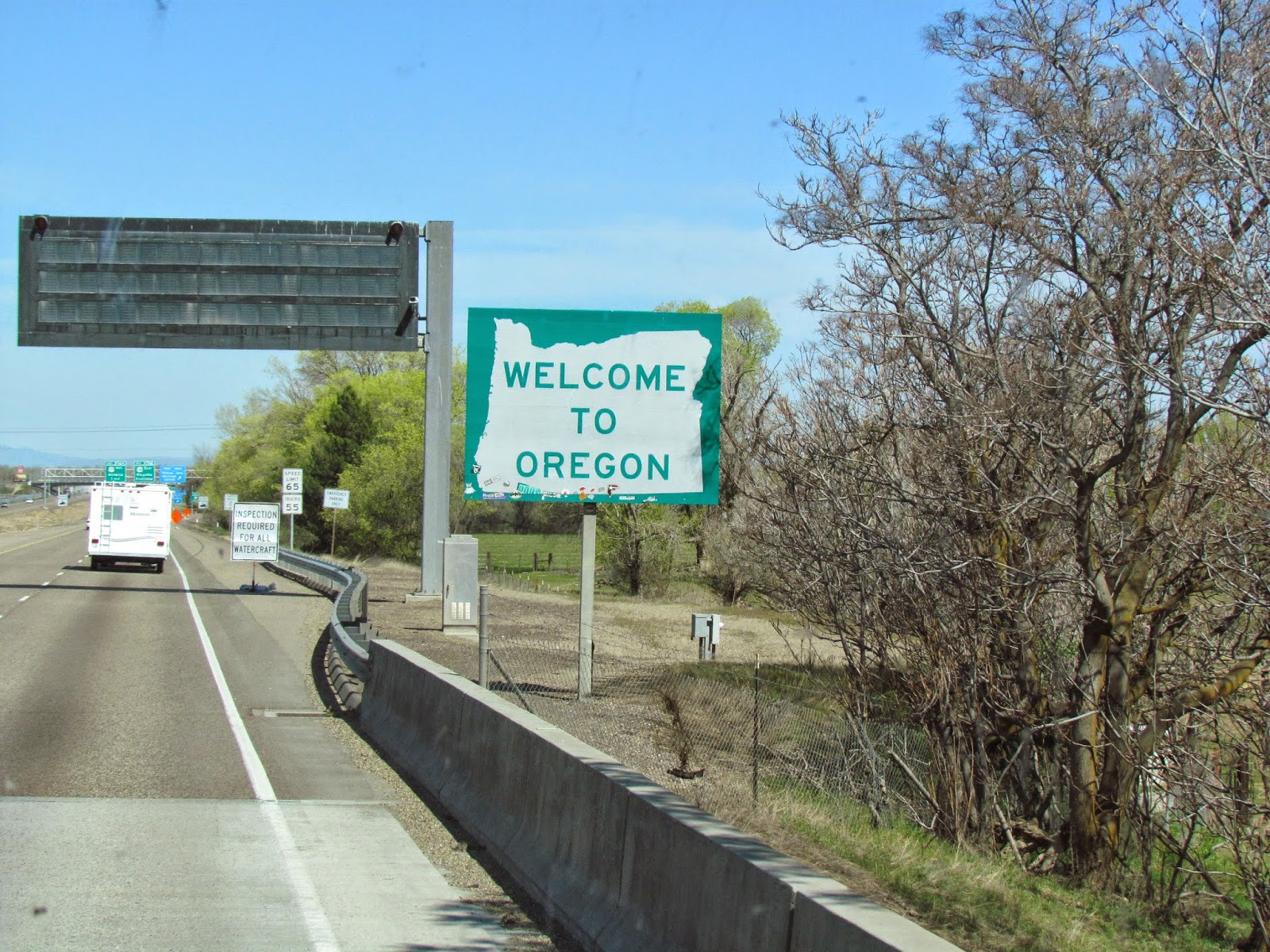
The dutiful son and I leave Happy Valley and merge with traffic heading south on I-5. It’s early enough roads aren’t crowded, and no one is tired and enacting road rage. I’ve driven this road before, several times, and the good thing about I-5 is that it’s a straight shot to Salem, no twisty turns to slow the pace.
We take exit 228 toward Lebanon and Corvallis and begin the windy drive toward the coast. According to mapquest, the trip to Newport is 139 miles. By comparison, a trip from Jerome to Boise, Idaho, a 120-mile drive, would take less than two hours. But here the trip takes almost three as the single-lane road winds at a slow 50, 55-mile pace. Idaho recently raised the freeway speed limit to 80 miles an hour, which makes sense in southern Idaho where there isn’t anything to destroy but desert. Here you couldn’t drive 80 miles an hour if you wanted to, not when curves warn “slow down,” and there are almost as many curves as trees. But the drive is beautiful, and every time I make it I think of Lewis and Clark and how primeval everything must have been 200 years ago. Even now, if road crews didn’t trim back foliage, the blackberries, deer fern, and juniper mistletoe would devour the road, and I would be searching for a way through the forest.
I roll down my window and enjoy the pine-scented air. Back in Idaho temperatures are three digits, here it is cooler, and where I am going the average daily temperature is 64 degrees. That’s part of the reason for this move: no more harsh winters and no more blistering summers. But that’s a lie. The reason for this move is simple. I love the ocean. I want to live on the coast.
It seems like fall, and I’m surprised at how the colors are already changing to red and yellow. It’s the drought my son says when I comment. It’s hard to believe this lush land is experiencing a drought, not with all the green around me. But there are signs everywhere with dead trees and straw-colored grass. And I understand drought. In Idaho, everything is brown and much of the terrain is on fire.
I have a lot to learn about this state that supports the right to die, medicinal marijuana, and mandatory recycling. This green state meshes with my personality. I believe in leaving a light footprint, if I must leave one at all. And I love to play in the dirt. My Idaho friends have placed bets. How long will it be before I put my nose in a nursery? Surprisingly, my list is small: star jasmine, blue hydrangea, peace lilies, and a white magnolia, none of which survive harsh Idaho winters.
Even before I pull into Newport, I smell the salt air. I inhale. It’s comforting, and welcoming, and feels like home.
Transitioning . . . So Long, Idaho
August 6, 2015
Papers signed, money spent, and I’m headed to Oregon. At 6:30 a.m. I drive down the lane that leads away from my home in Jerome, Idaho, and try to focus my sleep-blurred eyes. Even though I’ve been awake most of the night waiting for the minutes to pass, I’m sleepy, and reluctant to go. I kiss my husband goodbye and wish that he could come along on this journey. But he has to stay in Idaho to tend the ten acres we call Pauly’s Folly until it sells, and I have to establish our new home in Oregon. This isn’t a new story; many couples commute long distance, but it is a new story for us. In forty-five years of marriage, this is the longest time we will spend apart.
Driving slowly, I attempt to take it all in. Goodbye linden and lilacs. So long walnuts and apples. The squirrels and magpies get to enjoy you this year without interference from me. I let my eyes scan the ten acres. If all goes as planned this is the last time I will drive down this lane.
Once I leave Pauly’s Folly, I pack away my reminiscences and get down to business. I have an 8:40 appointment with the Boise Airport. My son is flying in to help drive the many miles toward my new home.
There is no word for what I’m feeling. Not bittersweet, not lost. Not even afraid. More apprehensive than excited, a little bit void like an abandoned chrysalis. This trip might feel different if I weren’t making it alone, and technically I’m not alone; I have my three rescue dogs riding in the back seat. But they can’t sing to pass the time, and they can’t tell me that I’m doing the right thing, so I flip on a CD and sing as loud as I can with Taylor Swift as I head toward the ocean.
I know the road to the Boise Airport better than I know my own name and with any luck I won’t have to travel across this high desert plain again any time soon. I won’t miss the dusty miles of sagebrush, or the wash-boardy road between Mountain Home and Boise. I won’t miss the semis zooming by, or the giant windmills scarring the landscape. But I might miss the Snake River and Three Island Crossing near Glenns Ferry. And maybe the rock shop my friend had in King Hill where we dreamed of holding writing workshops in one of the rooms upstairs.
My son waves when I pull up to the terminal, and says, “Get over.” I happily relinquish the driver’s seat.
“Ready?” he asks as we leave the terminal and take I-84 to Ontario. We are lucky this morning. Yesterday this highway was closed due to the many wildfires between here and Washington.
“Yup,” I say, as the darkness that has edged my heart lifts a little. Today we will have to take no detours, today is good. Today we fly.

