Idaho
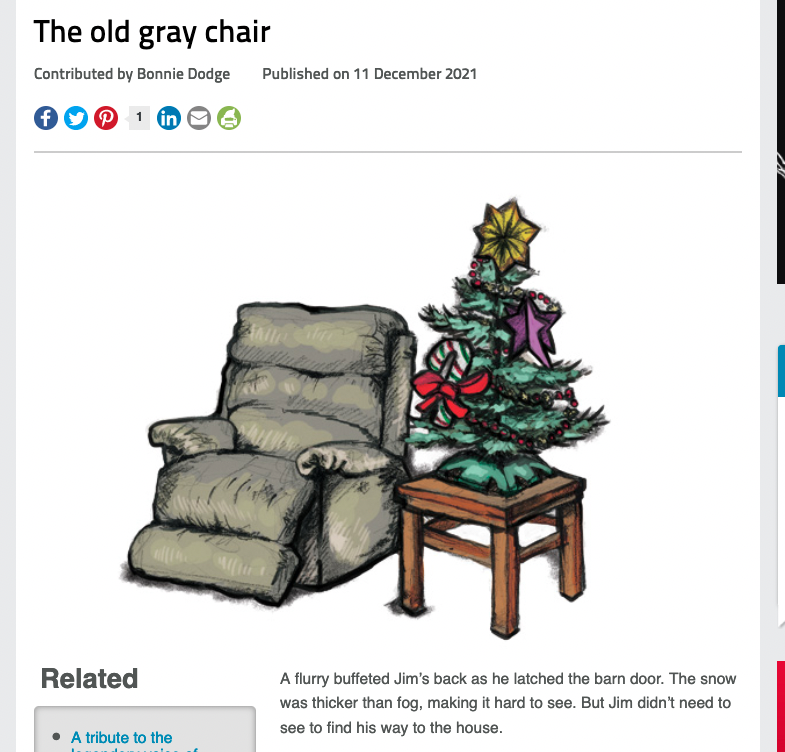
The Old Gray Chair
My short story, “The Old Gray Chair”, was published December 11, 2021 by Progressive Dairy. You can read it here.
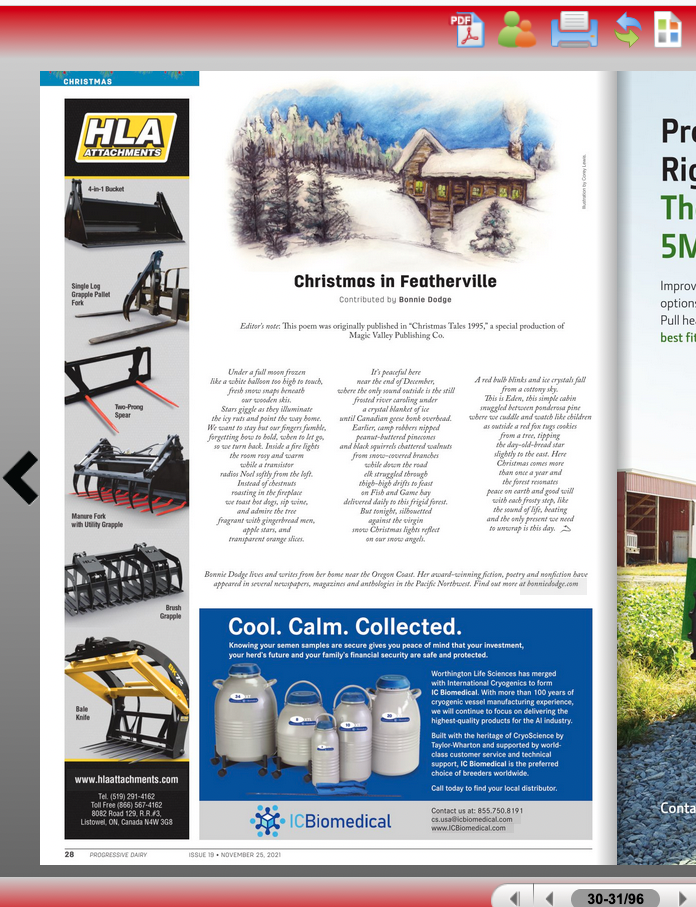
Christmas in Featherville
My poem, “Christmas in Featherville”, was published by Progressive Dairy on November 24, 2021. You can read it here.
Lost Near Atlanta
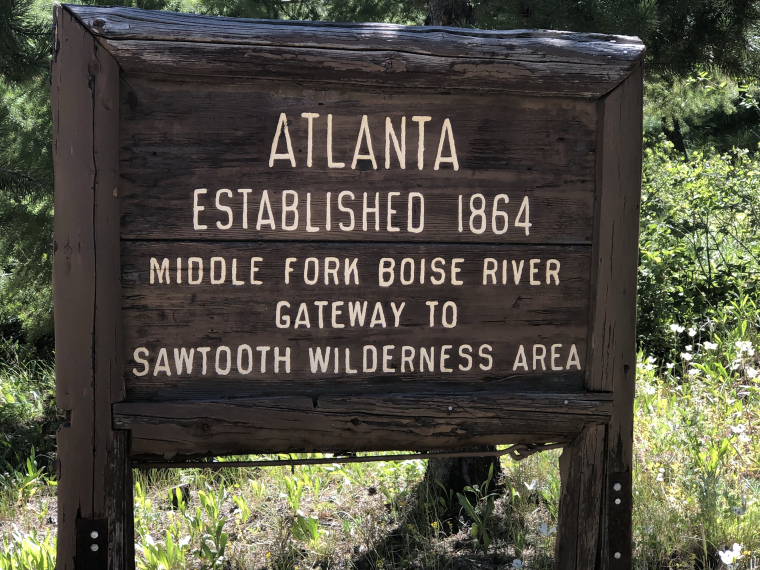
This story won third place Idaho Magazine‘s 2016 writing contest. I spent many summers exploring the old mining town of Atlanta, Idaho. I hope you enjoy this tale.
Lost Near Atlanta
“It’s great here,” Pam said as she stoked the campfire.
Surrounded by the Boise National Forest, we settled in for the night after a productive research day in Boise and Idaho City. As soon as the Old Idaho Penitentiary out on Old Penitentiary Road opened, Pam and I were there ready to take pictures and notes. I was particularly interested in some of the women incarcerated in the women’s prison and Pam, being a criminal reporter at her day job, was more intrigued with the gallows. We could have stayed there all day, imagining the people who walked behind those bars, and talking to the tour guides, but we were on a tight schedule. We had only three days to see the State Pen and the mining ghost towns of Idaho City, Rocky Bar, and Atlanta.
As usual we had underestimated how much time we would need to see everything. Discussing our trip over the phone, it seemed doable. We would meet in Mountain home. Pam knew the manager of AJs Restaurant and Lounge who said I could leave my car in his parking lot. That way we wouldn’t have to take two cars. Better yet, it would be safe there and we wouldn’t have to worry. Now, there we were, at the end of our first day, pitching a tent in the forest, anxious to see Atlanta and Rocky Bar the next day. We had heard the legend of Peg Leg Annie and we were eager to check it out.
Pam and I are writers and we both have a passion for Idaho history, which isn’t surprising given the fact that we met at an Idaho history conference in Boise five years ago. Pam is writing a murder mystery set in Idaho City and I’m working on a novel. We were hoping this trip would give us all the details we needed to finish our projects.
Since neither one of us are mountain women, I borrowed a popup tent from my brother. “It’s easy,” he said as he showed me how to assemble the tent. And it had looked easy enough when we played with the tent in his driveway. But there, in the forest, I had no idea how to put the thing together. “Maybe we should have stayed in that rustic hotel in Idaho City,” I said to Pam. “A shower would be nice.”
“Yeah,” she said. “But that would defeat the purpose. The character in my novel escapes into the forest. I won’t learn about cooking over a campfire sitting on a bed staring at a TV.”
“That’s true,” I said. “And it’s nice here, being outdoors and away from city traffic.” The campground was deserted. Even the camp host had left for the season.
We were nearing the end of a beautiful October day. The sun-warmed forest was fragrant with pine and sage. I inhaled deeply, enjoying the outdoor smells. It took us a while to set up camp, but once we did, we were glad we’d made the effort.
Sitting around the campfire sipping wine, we discussed all we had learned that day. Pam was particularly intrigued with the story about Lyda Southard, Idaho’s notorious female serial killer, also known as Lady Bluebeard.
“Flypaper,” Pam said. “She boiled flypaper to make her poison.”
I nodded and tried to listen. But I was more interested in the story one of the guards told us about Peg Leg Annie. A rumored prostitute who worked in the mining camps, Annie spent her days living in Atlanta and Rocky Bar. One day in May she and her friend Dutch Em tried to walk from Atlanta to Rocky bar. A freak snowstorm cost Em her life and Annie her legs. My brain was spinning with all the stories I could tell. What was it like to be a prostitute in a mining camp? Better yet, what was it like to be a woman in a mining camp? The possibilities were endless.
As the fire crackled we plotted. “What if I have the murderer hide in the basement of that old church in Idaho City?” Pam said.
“What if Annie had a daughter who hated living in the mining camps and all she wanted to do was escape?”
Pam and I watched the fire and talked until our eyes could no longer focus. “Night,” Pam yawned. “I’m going to bed.”
“Be there soon.” I stared into the fire, wanting to sit there all night and dream. But tomorrow was another busy day, so I needed to get some sleep. Afraid the wind would fan the fire during the night, I snuffed it out and crawled into my sleeping bag. When I turned off the flashlight, Pam was already snoring.
I woke to the sound of wind howling through the forest. Good thing I put out that fire, I thought as I snuggled deeper into my sleeping bag. Good thing I have a brother who likes to hunt in subzero temperatures.
“Wake up.” Pam was shaking me. It was still early, barely morning. “You’re not going to believe this.”
I poked my head outside the tent. “Whoa. What happened?”
We were smack in the middle of a snowdrift. The howling wind I heard during the night had filled our campsite with at least ten inches of snow.
“Holy cow,” Pam said. “We’re snowed in.”
Shivering, I pulled on my jeans and sweater and went outside to start a fire. Like that was going to happen. All the wood was covered with snow and what wasn’t buried in a snow bank was too wet to burn. No fire for coffee, no fire to warm our bodies. To make matters worse, everything looked flat like a white sheet. We couldn’t see the road.
“Guess that takes care of Atlanta and Rocky Bar,” Pam said.
“Guess that takes care of a lot of things,” I said. “I think we have bigger problems than research in old mining camps. Her beige Honda was good on roads, but now it was buried in snow. Gloveless, we didn’t have a shovel so we had to use our hands to move the snow away from the car. It was pointless. The more we shoveled, the more snow fell from the cottony sky.
“I’ll call for help.” Pam tired her cell. “No service,” she said looking at the snow still falling.
Exhausted, we stood beside the car in our wet clothes. “What are we going to do?”
“Well,” I said. “It would be stupid to try and walk out.”
“We can’t stay here.”
We broke into a nervous laugh. We’d been looking for an adventure. We sure got one.
“Maybe it’ll stop soon.” My teeth chattered.
“I’m going to sit in the car and run the heater until I get warm,” Pam said. Lucky for us we’d filled the car with gas in Idaho City. Just to be safe. Who knew where the nearest gas station was. I’d heard there wasn’t one in Atlanta. But that didn’t seem to matter now. We’d be lucky to get back to Idaho City, let alone Atlanta. Our research trip had morphed into a trip of survival.
We sat in the car until we could feel our fingers and toes again. By then the snow had stopped, and it was almost noon.
“I think we should walk out,” Pam said.
“Don’t be ridiculous. Do you want to end up like Peg Leg Annie?”
“No.” Pam stared out into the forest. “But I don’t want to die here either.”
We weren’t dressed for winter weather. We had no heavy coats, no snowshoes, no boots or gloves. What we had was a sense of panic as we started out, hoping we were walking in the right direction.
“I can’t even see the road,” I mumbled as I plowed through the snow, breaking a trail. Keen on adventure, I’d gotten myself into some pretty fine pickles, but this was the worst. I looked up at the sky afraid it would snow again. How did this happen? Beam me up Scotty and get me out of here.
We walked for an hour or more. “Look,” Pam said. “Here’s the road that goes back to Idaho City. If we follow it someone will find us.”
What little food we brought was all but gone. We had to keep going. We trudged through the snow until Pam slid off the road and tumbled down the embankment toward the river. “Help,” she cried.
I rushed forward and planted my feet the best I could on the slippery ground. “Give me your hand. I’ll pull you out.”
I yanked and almost fell in myself, but I didn’t let go. When she was safe, we sat on the side of the road our sides heaving. “I think I hurt my leg,” Pam said. “That was fun.”
“Barrels,” I said. “Now what do we do?” The sun was setting. We were wet. It wouldn’t be long before our clothes froze to our bodies.
“We need to keep moving,” I said, afraid if we stopped we’d never move again.
Pam winced. “I don’t think I can walk that far. Our only chance is if you go for help. I can wait here.”
“No you can’t.” I yanked on her arm until she was standing. “We’re in this disaster together.”
We both smelled it before we heard it. “Oh, no,” Pam said. “Is that a bear?”
“They don’t have bears out here, and even if they did, bears hibernate in winter.”
“Well,” Pam said. “It isn’t winter yet. He probably was surprised by the storm just like we were.”
“Run,” I said. “Here he comes!”
We turned to flee but running in the fluffy snow proved impossible. And Pam could only hobble on her bum leg.
“Roll up in a ball and play dead,” Pam instructed.
We both hit the ground and grabbed our knees tight.
Yelp. Yelp. Yelp.
I turned my head to peek. Hallelujah. It wasn’t a bear but a scraggly dog the size of a pony, barking and running toward us.
“Holy cow,” Pam said. “Never saw a dog that big.”
The dog ran to our side, pushing us with his nose. We had no other choice but to follow. “Maybe he lives around here,” Pam said.
“Yeah,” I said. “Maybe somewhere warm.”
He led us to a small mound, a shelter covered with snow. He wouldn’t leave us alone until he had nudged us inside. Once we were settled, he lay down and went to sleep.
“Thanks, buddy.” I snuggled beside him. He was so warm, so comfortable, even if he smelled like a wet dog. Exhausted and spent, we fell asleep next to the giant dog. When we woke it was morning and the dog was gone. The sun was shining. The snow was starting to melt. Looked like our luck was changing.
“What now?” Pam said.
“I guess we keep walking. How’s the leg?”
“Not bad. I think I can make it.” Pam limped.
“Good because I’m not leaving you behind.”
It helped to walk, each step warming our muscles. “Listen,” Pam said. “I hear something.”
“Doesn’t sound like a snowmobile,” I said, which had been my secret hope. That someone eager for winter would break out their sled to play in the snow. This was better. A snowplow clearing the road.
“Hey, you!” We jumped up and down calling, “Here! Here!”
“Wow,” the driver of the yellow machine said. “Where’d you come from?”
We pointed behind us. “We were camped back there when the storm hit. My car is buried in snow,” Pam said.
“Hop in,” he said. “Let’s see if we can get you out.”
“Thanks.” We scrambled into the cab of the plow, glad to be out of the cold.
Back at camp, the driver used a rope to pull Pam’s car out of the drift. When he was finished, we quickly packed up the tent and our chairs, and loaded the car. He waited to make sure we could get out.
“Thanks so much for your help,” I said. “I don’t think we could have stood another night in this weather.”
“Consider yourself lucky,” he said. “I don’t know how you survived this one.”
“There was a big dog,” Pam said. “A Newfoundland, I think. He kept us warm. When we woke, he was gone.” She looked into the forest. “You didn’t see him did you?”
The driver chuckled. “Oh, yeah, I’ve seen him around once or twice.”
“Does he live nearby?” I asked.
“No. He roams the forest between here and Rocky Bar. That’s Annie Morrow’s dog.”
I looked at Pam. Was he kidding? If Peg Leg Annie had a dog, he’d be long gone, just like her.
“Seriously,” I said. “Where did he go? We tried to find him, but he didn’t leave any tracks.”
“Seriously,” he smiled. “That’s the dog Annie and Dutch Em had with them when they tried to walk from Atlanta to Rocky Bar that wicked day in May.”
“In that freak snowstorm,” I said.
“Right,” he said. “That dog stayed with Annie and kept her warm.”
“No way,” Pam said.
“That was over a hundred years ago,” I said. “That dog would be dead now.”
The man winked at me. “He may be a ghost, but I’m not going to tell him. Not with the job I have. He’s saved my butt a time or two.” He hopped into his snowplow, waved, and drove off toward Atlanta.
We didn’t go into Atlanta that day, or Rocky Bar either, but we did return home with some great stories to tell. And a promise that we’d make the trip again sometime. But never in October and never in May.
454 Days Later
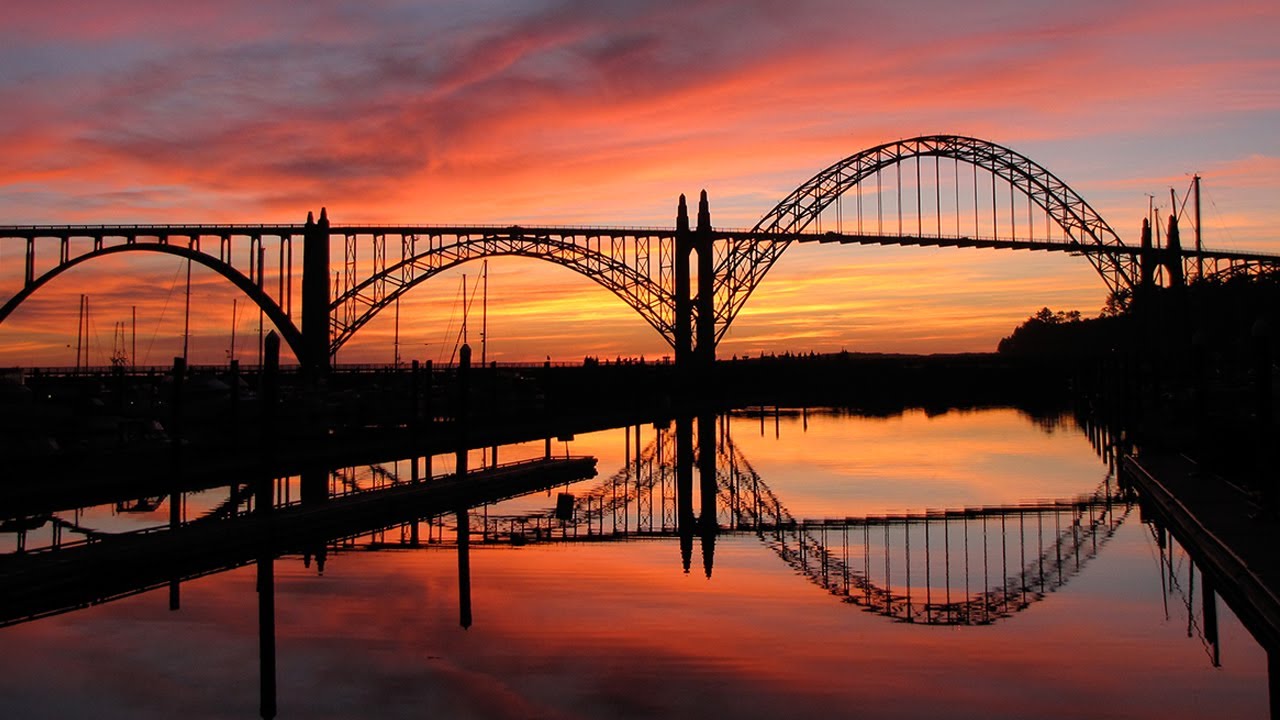
I’ve been quiet and you probably think I fell into the ocean or got blown away by coastal storms. But no, I’m still here, learning all I can about my new home.
The reason I’ve been silent is that I’ve been busy. For a tiny dot on the map between Yachats and Lincoln City, Newport’s population is about the same as the town I left in Idaho. If you want a Costco or a Lowe’s you have to drive several miles, just like I did in Idaho. But unlike the town I left behind, there is so much more to do here I barely have time to read, let alone write.
Check out the latest issue of Oregon Coast Today and you will see there is always something going on. Add to that everything happening in The Valley between here and Portland and there is no time to be bored. Ever.
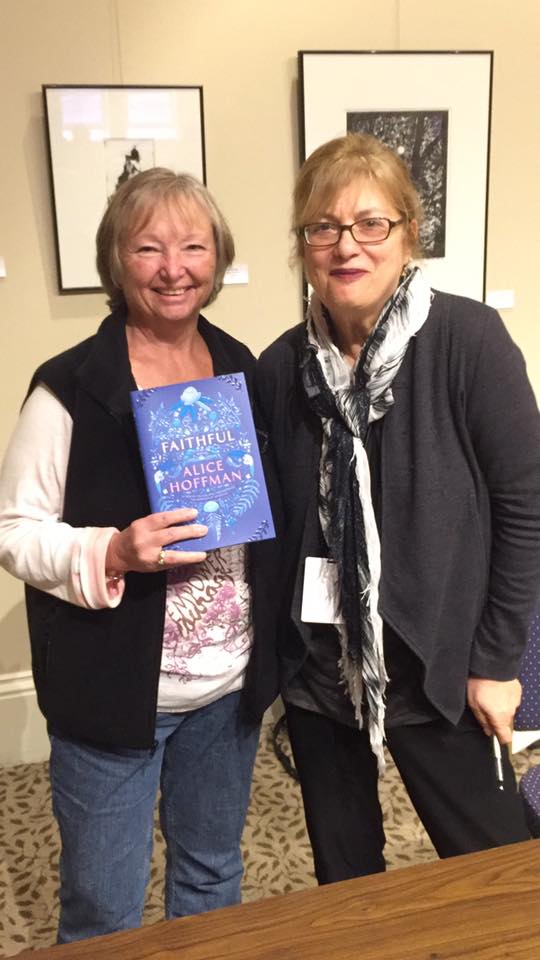
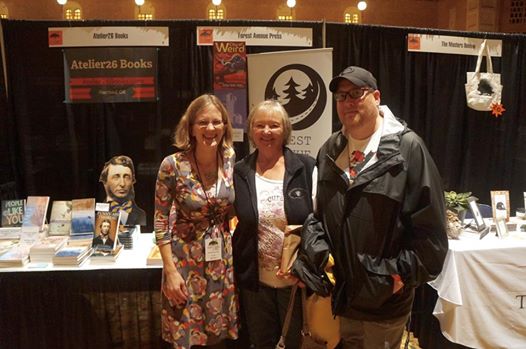
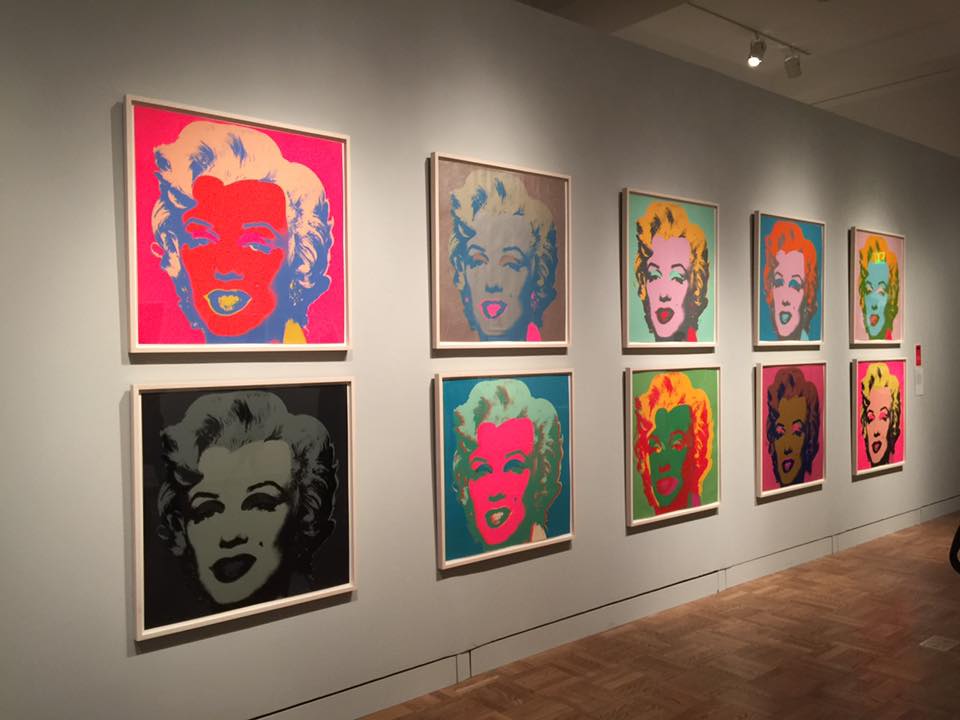
Take for instance last weekend. Since I don’t like to drive Portland traffic my son quietly obliged, taking me to Portland’s annual book festival Wordstock. I was so revitalized I’m still vibrating. My favorite author, Alice Hoffman, was in town and spoke about her new book Faithful. She even signed my copy and thanked me for stopping by. So many other talented writers attended, not to mention many Oregon presses including Ooligan Press, Tin House, and my favorite, Laura Stanfill from Forest Avenue Press. If that wasn’t great enough, admission to the event included admittance to the Portland Art Museum and the Andy Warhol exhibit. Now my son was vibrating, snapping pictures and studying one-of-a-kind art. Yes, it was raining. But in spite of the rain, it was a positive, energizing day.
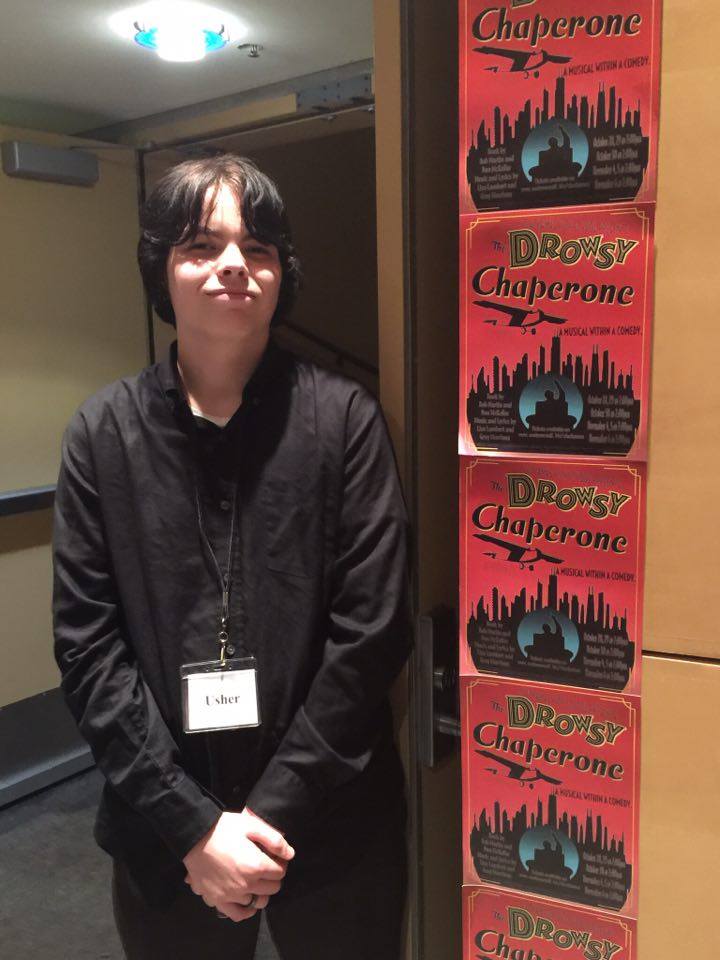
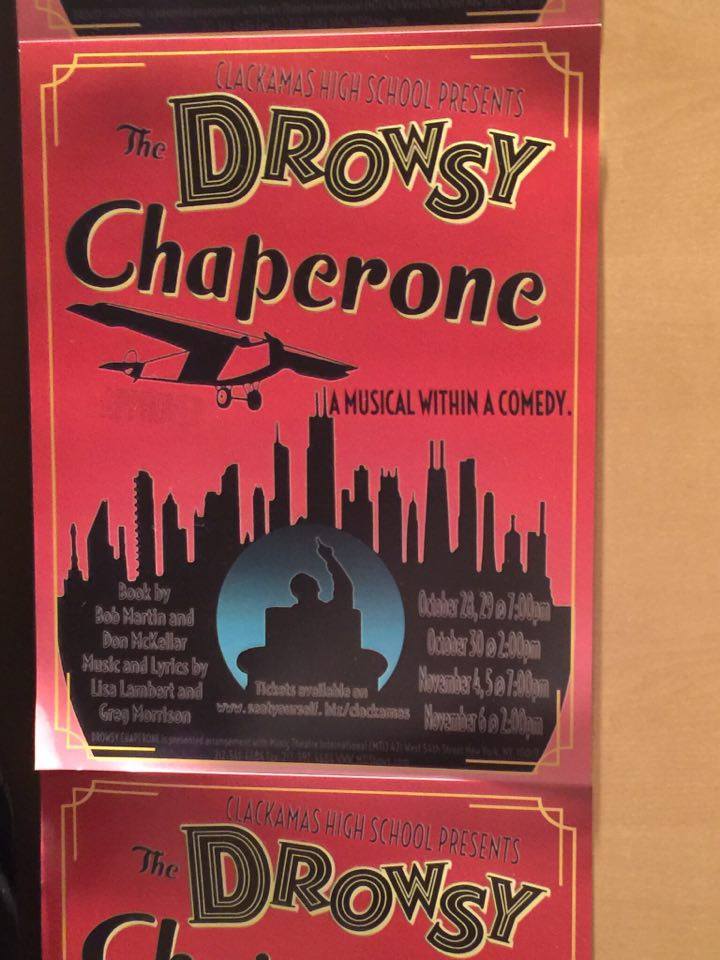
That evening my family took in The Drowsy Chaperone, a musical put on by my grandson Dante’s high school class. The students were top notch, high energy, and amazing. The day ended with dinner at The Ram and a glass of wine. Perfect.
Many people told me I was crazy to move to Oregon. Several said I’d get depressed and miss the sun. And even though I miss my friends in Idaho, and sometimes I do miss the sun, mostly I love it here. Even when it’s raining.
Back Roading Beaver Creek to Toledo
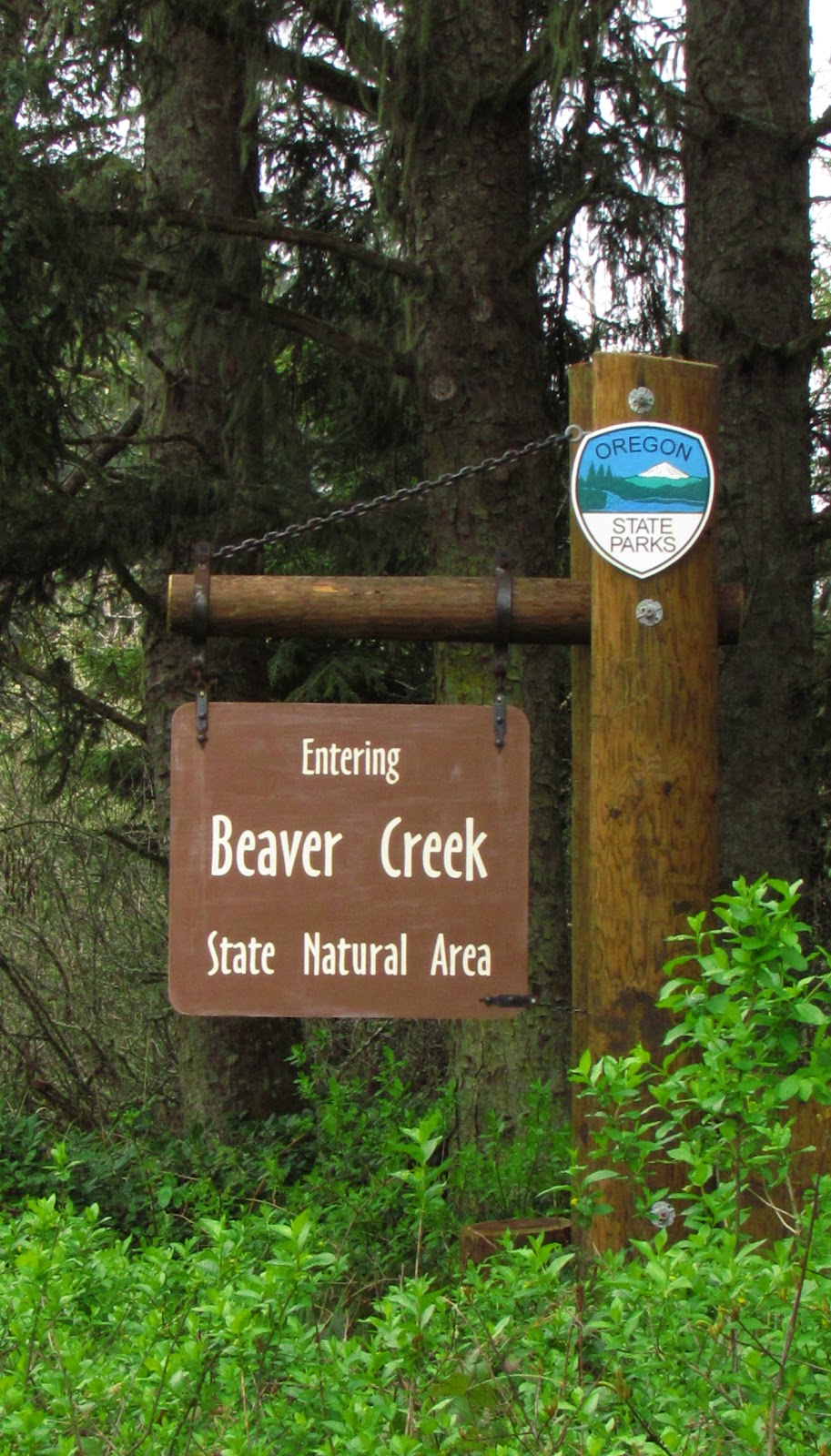
We’ve always been explorers, enjoying the back roads of Idaho and now Oregon. We’re not cityites who like to stare at window displays or order lattes. We like to travel back roads, sip home-brewed coffee, and enjoy the scenery.
Knowing we liked quiet places for our dogs to run, a neighbor told us to check out the road from Beaver Creek to Toledo. “It’s mostly gravel,” he said, “and it’s easy to get lost. There isn’t much traffic. Nice drive, though.”
Enjoying a challenge, we filled our coffee mugs, gathered our dogs, headed south on 101, and turned east toward Beaver Creek. We turned left where the road teed and stopped at the Beaver Creek Welcome Center, hoping they’d have a map of the area.
No maps, just a volunteer. “Follow that road,” he said. “Stay left.” He pondered a moment. “Turns to gravel. Think it’s twenty or thirty miles. Been a while since I drove it. If you get lost, you can always turn around and come back.”
We looked at each other. Turning back was rarely an option. Not when we wanted to see something new.
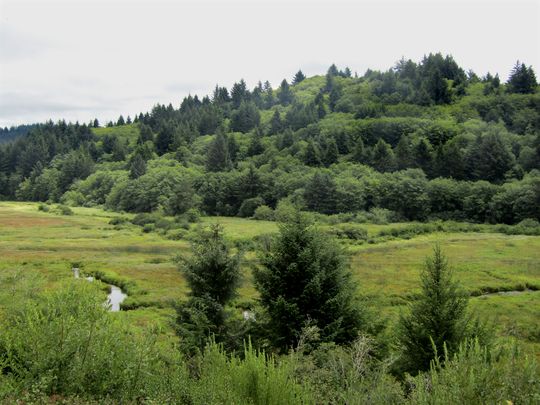
After considerable conversation, we waved a cheerful goodbye and followed the road. Within minutes we stopped at a small park with a picnic table and a large area for the dogs to run. While the dogs sniffed bushes, we picked blackberries and chomped on half-ripe apples from a nearby tree.
“Yuk.” I spit out the bitter fruit.
“Just right,” my husband said happily.
We rounded up the dogs, got back in the truck, and continued on.
No cars tried to pass us. No trucks met us head-on. The only vehicle on the road, we traveled slowly enjoying the drive, heavy with vegetation on both sides of the road.
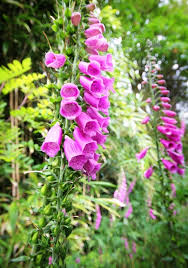
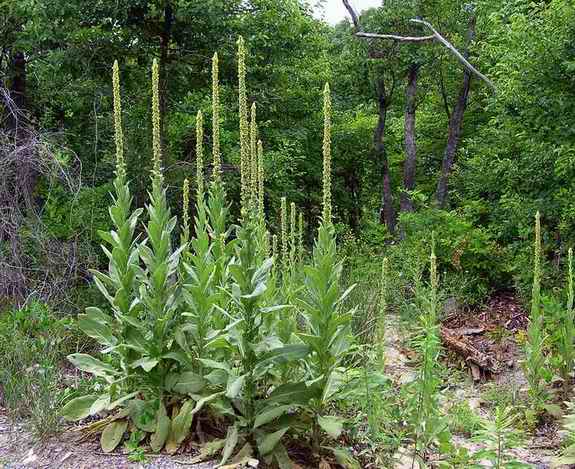
“Reminds me of the road to Fall Creek,” I said, commenting on the dense undergrowth. But instead of seeing obelisks of mullein and ponderosa pine, the shoulders of these roads were thick with evening primrose, foxglove, and purple loosestrife. I gawked out the window trying to identify the plants: Queen Anne’s Lace, mountain ash, ocean spray, and wild rose. Many more varieties than I would see traveling the gravel road from Fall Creek to Featherville, which held mostly fern and pine.
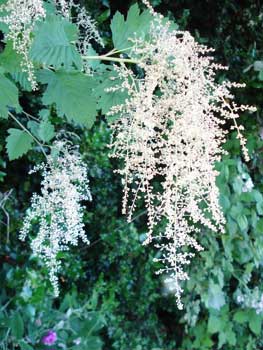
“Look,” my husband said as two velveted buck dashed in front of us. He hit the brakes and we watched them dart into the trees. We knew they were watching us, waiting for us to leave. But try as we might, we couldn’t spy an eye or an antler.
Moving on, it wasn’t long before we hit gravel. The vegetation grew thicker, canopying the narrow road. Blackberry vines reached toward the truck, each branch heavy with green berries. We were driving into a jungle, secluded and uninhabited, with no signs to guide us.
“Wonder if we should turn around?” my husband said, recalling the words of the Beaver Creek volunteer. Unwilling to give up, we moved forward, deeper into the forest.
“Must be on the right road,” my husband said when we finally spotted a mile marker that looked lost on the gravel road.
“How many miles did he say?” I asked.
“Twenty or thirty.”
We’d been driving almost an hour, but I couldn’t judge mileage. We were moving slow, sometimes five miles an hour, up, then down, wind around a corner. Wind around another corner so dark with shade we couldn’t see the sun.
Climbing again, we broke out onto a sunny hilltop. The panorama of the valley was jaw-dropping, worth the worry of getting lost.
“I know where we are now,” my husband said. “Toledo is right over there.”
Leaving the forest behind, we headed down. Minutes later we were on familiar asphalt again.
“Not even twenty miles,” my husband said.
“Not bad at all,” I said. “Perfect way to spend an afternoon.”
And the very best part of the drive was that we didn’t once have to turn around.
Getting to Know You
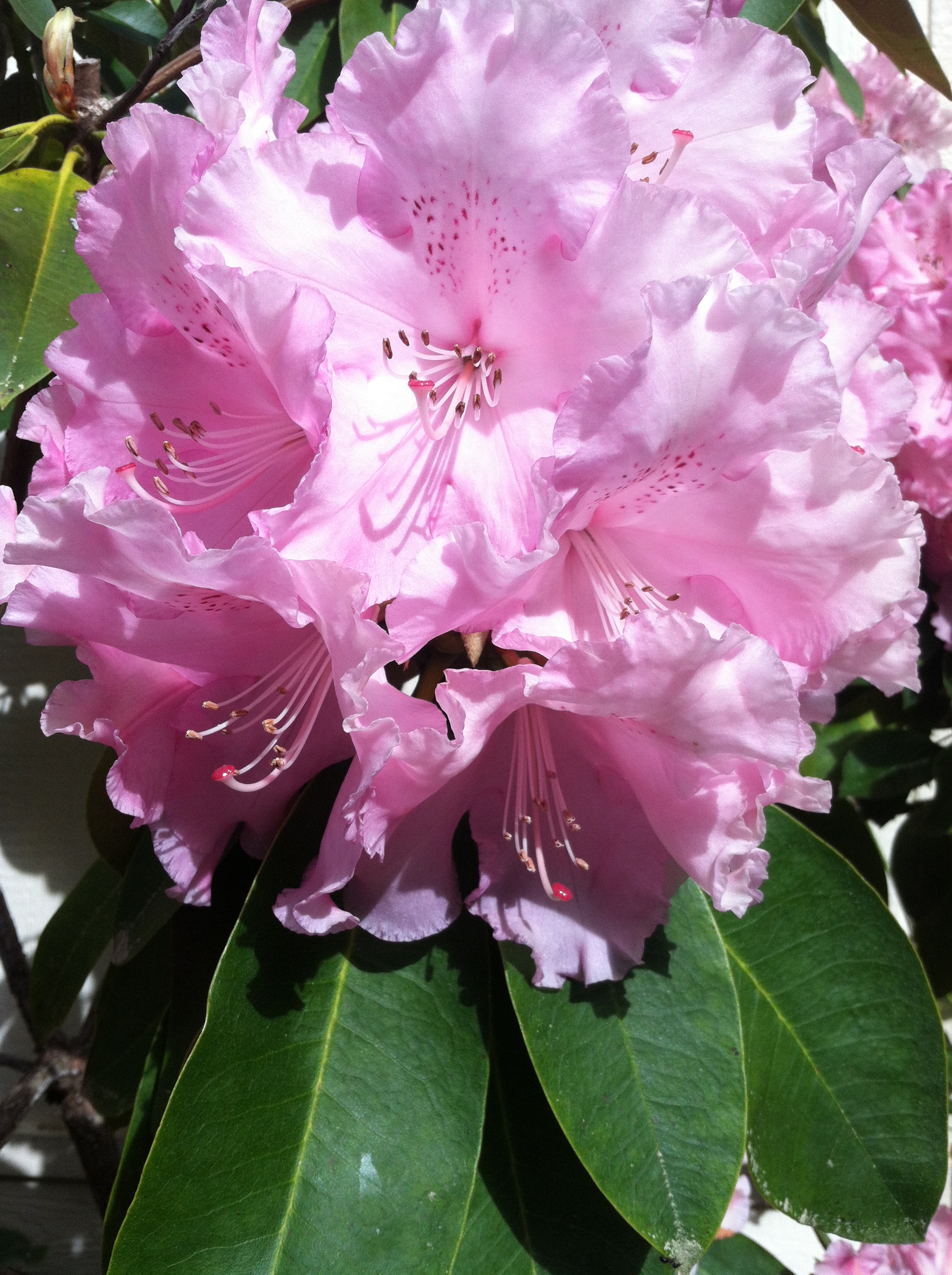
Plants have always been my passion. You’re more likely to find me outside playing in the dirt instead of indoors sitting in front of the TV or holding a book. For as long as I can remember I’ve been interested in plants. What is it? Does it have medicinal purposes? Can you eat it? Moving to the Oregon Coast, then, has been this gardener’s dream. Here, if you want something to grow, just toss it on the ground, forget about it and a week later it will be an established plant. In southern Idaho if you tossed a plant on the ground, it was destined to die.
As an Idaho Master Gardener I know a lot about plants. But here in Oregon I feel like I’ve dropped down the rabbit hole. My head bobs at every step as I try to identify plants I’ve never seen before. Like the large bush that attracts birds and borders my yard on the north. The plant is prolific; I see it everywhere. But it took a trip to the county extension office to learn that the plant is a wax myrtle. I didn’t know that the pretty yellow plant along the side of the road is scotch broom and that it’s invasive. I was familiar with perennial geraniums but didn’t know that Herb Robert was not the same as cranesbill geranium even though they look alike. Is it an azalea or a rhododendron? What makes them different?
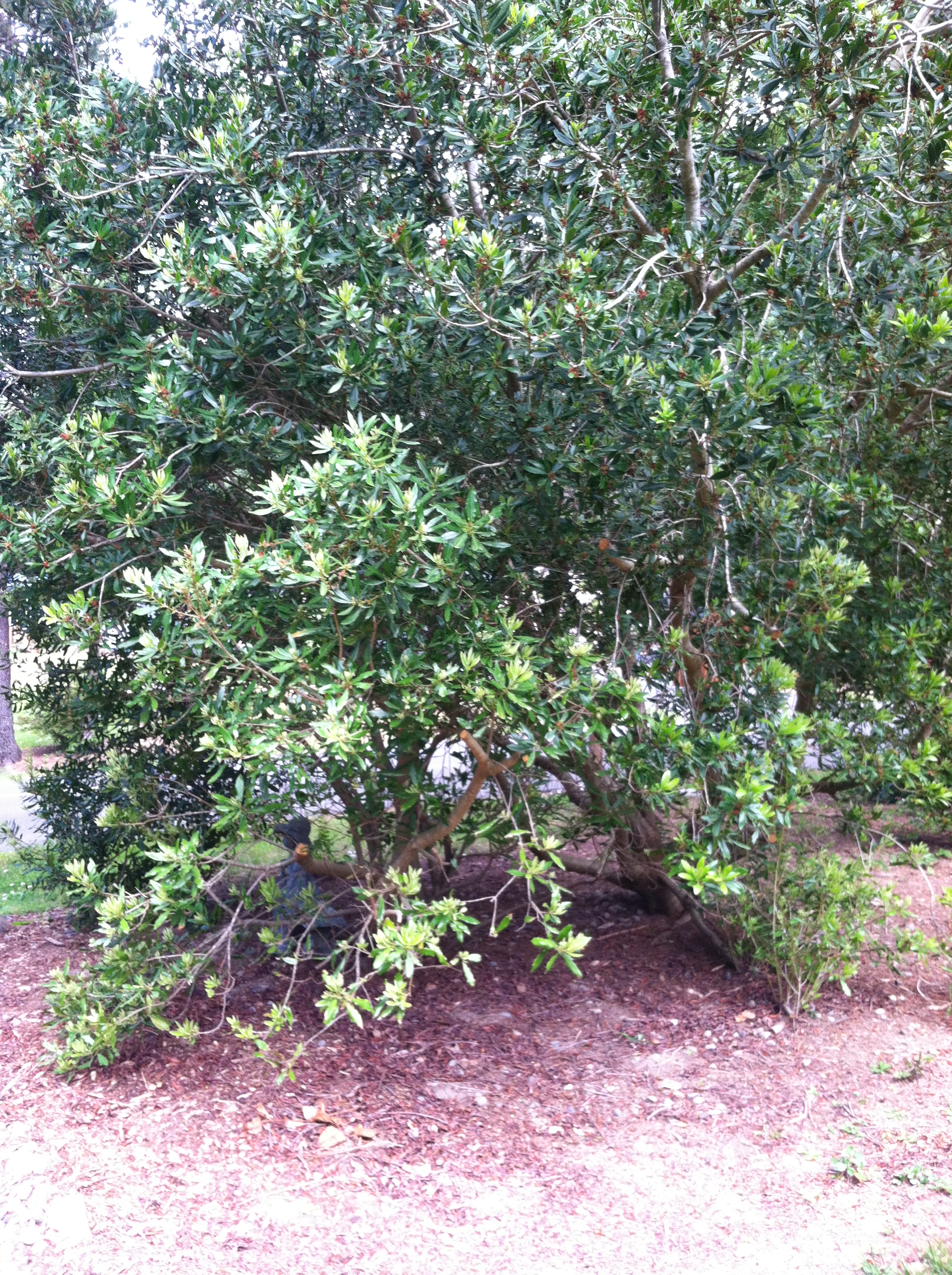
My yard is a wonderland of new discoveries. I knew I had a lot of blackberries bordering my lawn, but I didn’t know that I also had salmonberry, thimbleberry and evergreen huckleberries, not to mention the salal that grows like trees.
A walk through my neighborhood is truly a walk in the forest. Trilliums. Yellow skunk cabbage. English daisies and woodland strawberries that cover the ground instead of grass. Western buttercups and lewisia. Each forward step offers a mystery to be solved.
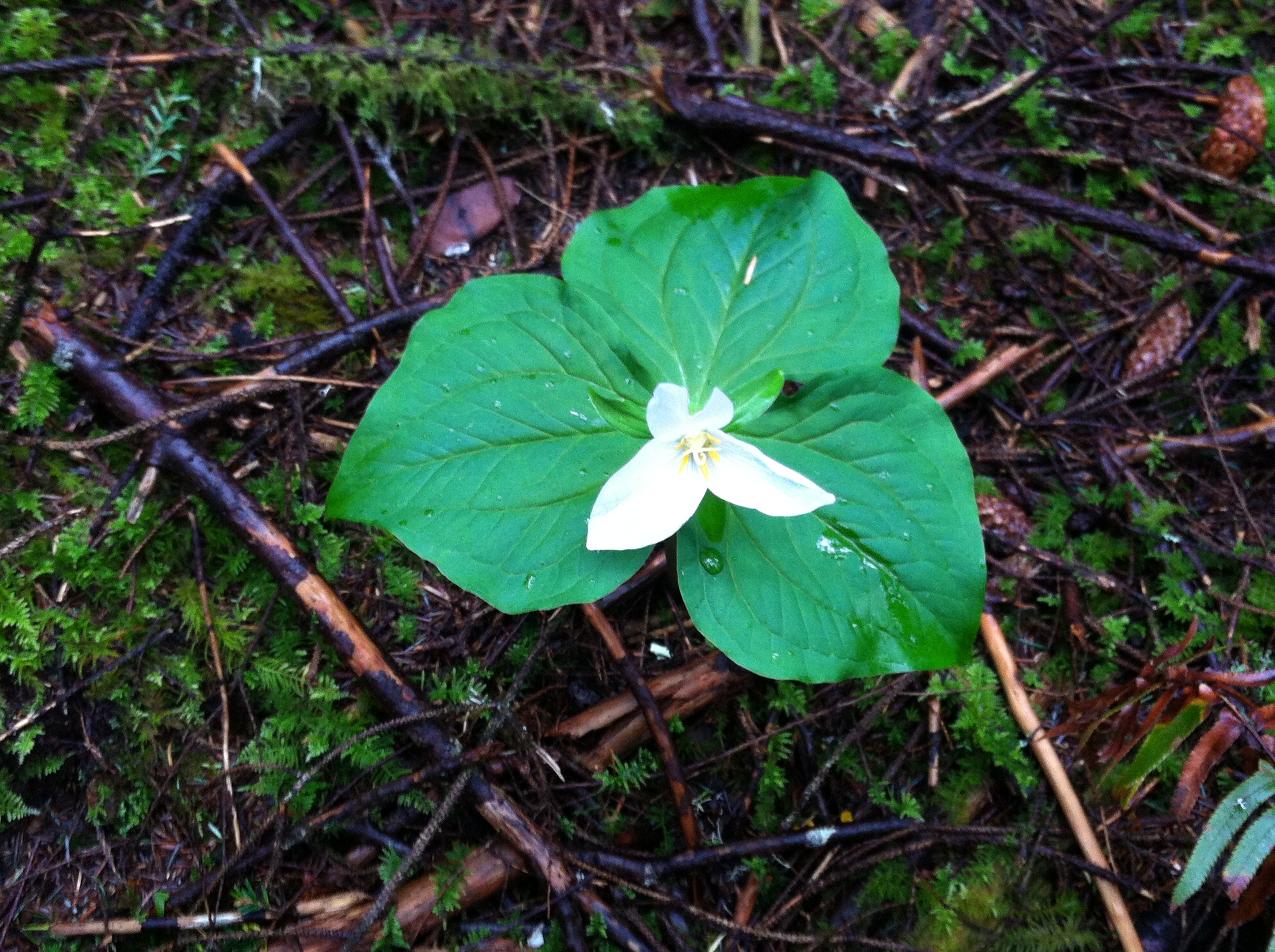
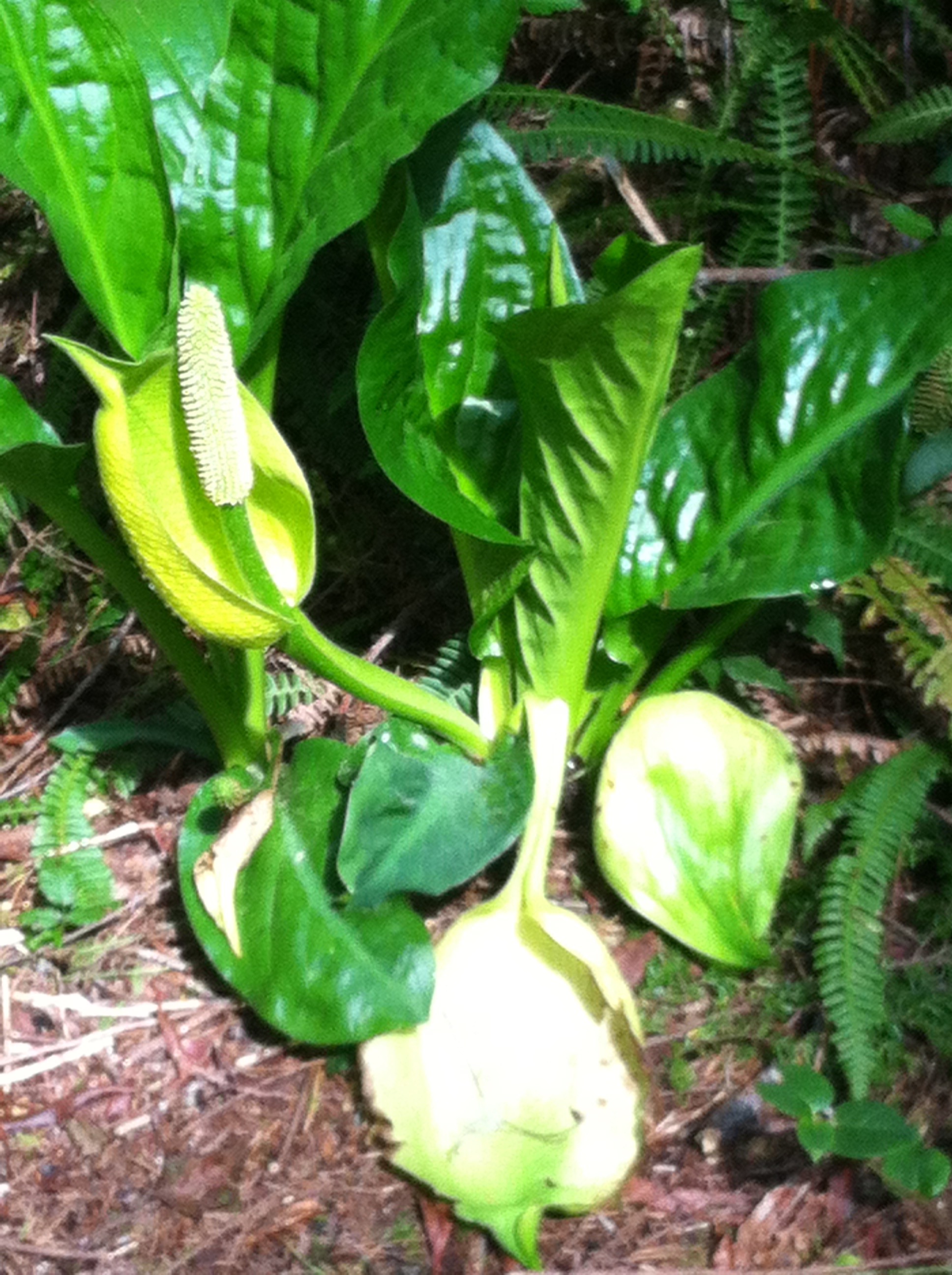
Moving to Oregon has been a grand adventure and I’ve enjoyed getting to know all about the plants that grow in my yard and neighborhood. With the ocean just down the road, I’m eager to start learning the names of the interesting treasures I find on the beach.
Rain or Showers; That is the Question
When we were contemplating a move to Oregon, we were warned about wind and rain. “Stay away if you don’t like the rain,” we were told. “It rains there every day.”
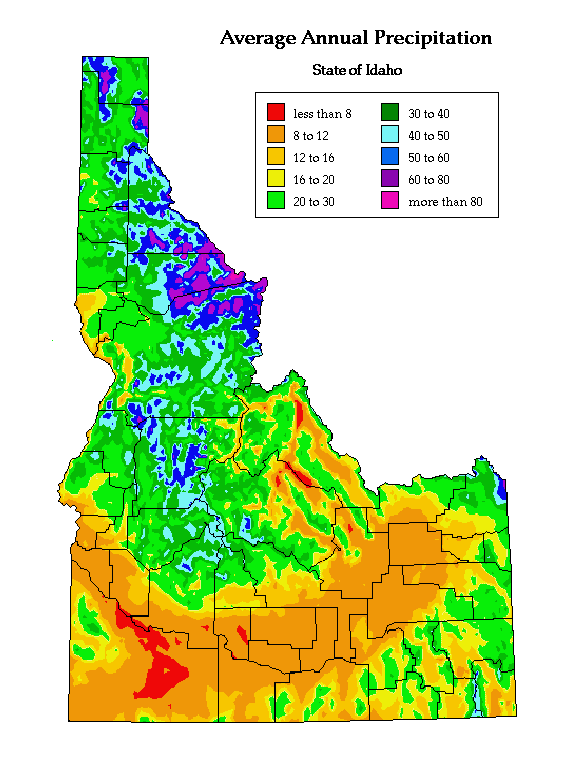
Well, not really. It doesn’t rain every day, but yes, it does rain a lot. In southern Idaho rain is scarce. We were lucky to see ten inches of rain a year. In Oregon we see that much rain in one month. Idaho weathermen talk about wind and drought. Oregon weathermen talk about rain and showers.
“What is it?” my husband asked me the other day. “Rain or showers?”
Thus began the debate. Was it raining, or was this a shower? We asked our resident son. “It’s raining,” he said.
“No,” his wife said. “It’s a shower.”
Which sent me to the Internet and dictionary. What should be easy to differentiate appears to be tricky. Even though “showers” are indeed rain, there’s a subtle difference as far as weather forecasts go.
This is what I learned.
“Rain” as in “a rainy day” or “occasional rain” is more widespread. Most, if not all, of the area will see rain and it will last for a while. Unlike rain “showers” the duration of rain is steady and prolonged. Rain tends to be light to moderate in intensity and generally comes from stratus clouds. Rain usually lasts longer than showers.
“Showers,” on the other hand, are more scattered. It could be raining in Lincoln City, but dry in South Beach. Showers tend to be shorter in duration, while rain could last all day. “Showers,” also known as “rain showers,” tend to be quick and come in bursts. Showers come from puffy clouds or cumuliform clouds like cumulus or cumulonimbus. Compared to rain, showers cover a smaller area but can be more intense. Conversely, showers are more dispersed than rain. Isolated showers are those that are divided during a certain time frame. Local showers is rain that happens in a much smaller area of coverage. There are also patchy showers, which happen irregularly within a specific area. Showers often start and end more abruptly compared to rains.
Yesterday we drove to Lincoln City and it started to rain. “So,” I said. “Is this rain or showers?”
My husband turned on the windshield wipers. “Showers,” he said. “Anything over three clicks on the wiper switch is showers, not rain.”
So there you have it, if you ever get caught in a debate about rain or showers. Either way you’ll need an umbrella.
Transitioning . . . Trial and Error
 September 1, 2015
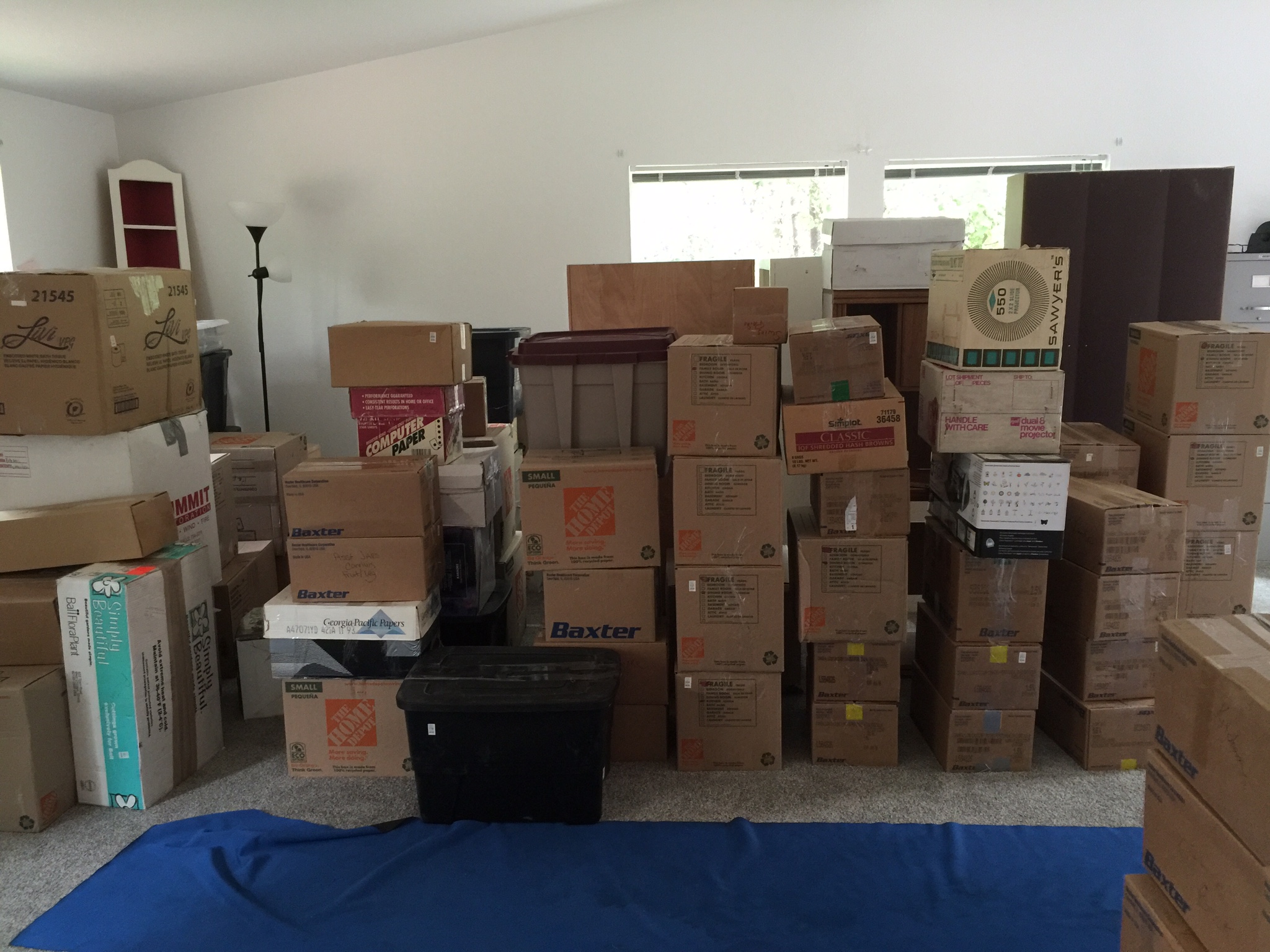
The boxes have arrived and I’ve started the daunting task of putting things away. This is the third major move for me, and by far, feels like the hardest. At the Idaho house, I knew where everything was. If I needed a jar of peaches, all I had to do was walk outside to the pantry in the three-bay shop. If I needed a roll of string or a nail, I knew they were in the bottom drawer in the laundry room. Easy peasy. Here, in Oregon, not so much.
Here there is no pantry in the shop. Here the shop consists of a one-car garage crammed with my husband’s yet to be situated table saws, hammers, and routers. Here there is no bottom drawer in the laundry room. In fact, there are no drawers in the laundry room, which is half the size of the laundry room left behind in Idaho.
True, the house in Oregon is larger, a triple wide modular home instead of a double. With vaulted ceilings and an extra living room I can convert into an office, freeing up one of the bedrooms so the grandkids don’t have to sleep on the floor. The Oregon house sits on half an acre instead of ten, and it’s three minutes from the ocean instead of a noisy freeway. In Idaho, I could hear the din of traffic twenty-four hours a day. Here it is the ocean, which is a sound I recorded to fall asleep, and a sound I listen to to write. One “white noise” replaces another, but this white noise is nicer, and here I don’t mind being outside.
It isn’t the outside that is tricky though. It’s the inside, and the cupboards, and where to put everything. The bedrooms and bathrooms aren’t too hard, towels and sheets go in closets, as do the clothes. We were ruthless in downsizing, and here everything fits. No extra blankets to store under the bed. No extra shoes taking up space. Our packing motto, “use it or lose it,” paid off. There isn’t a lot of extra stuff looking for a home.
But it’s the kitchen that’s giving me fits. Yes, I have more cupboards in this kitchen. But they are arranged differently than those in Idaho. There’s a long floor to ceiling cupboard I can use as a pantry. But it’s so deep I have to be careful what I put in the back. And there’s a small cupboard by the stove instead of the double one I am used to that held all my spices.
Moving is like being on an adventure. Open this door, what will you find? And that’s what I’ve been doing for weeks as I adapt to my new home. What doesn’t work so well in one cupboard gets moved to another. What doesn’t get used every day gets moved off the kitchen counter. As I move things around, I feel like I’m spinning, and I’ll be glad when this “moving” part ends.
Moving at any age is hard, but it takes a toll on someone in their sixties. At times I feel like I am playing hide and seek. Like today. It’s time for lunch and I have no idea where I put the salt. I see I put the butter in the cupboard. Hopefully I won’t find the salt in the refrigerator.
Transitioning . . . Welcome to Oregon
August 8, 2015
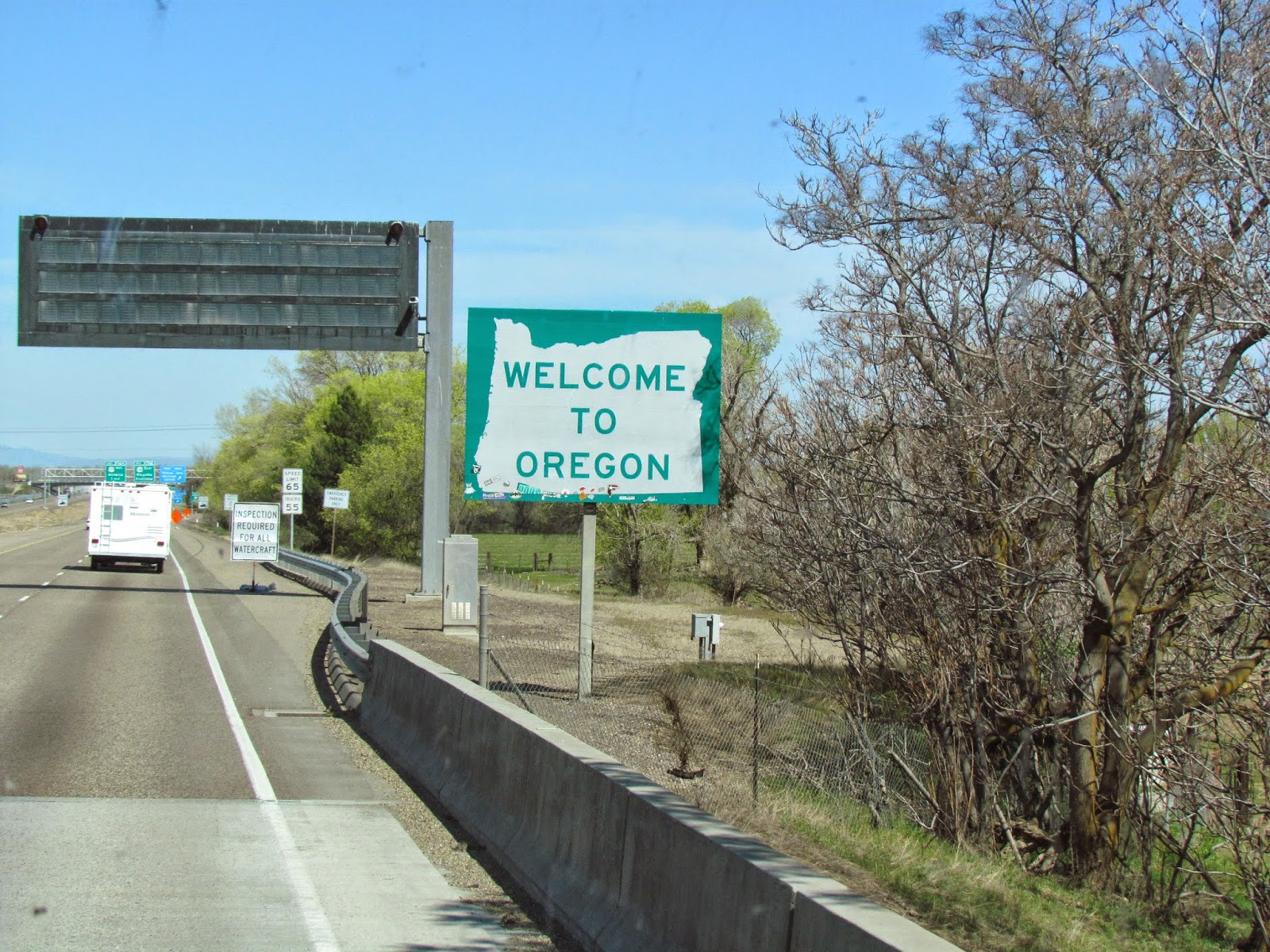
The dutiful son and I leave Happy Valley and merge with traffic heading south on I-5. It’s early enough roads aren’t crowded, and no one is tired and enacting road rage. I’ve driven this road before, several times, and the good thing about I-5 is that it’s a straight shot to Salem, no twisty turns to slow the pace.
We take exit 228 toward Lebanon and Corvallis and begin the windy drive toward the coast. According to mapquest, the trip to Newport is 139 miles. By comparison, a trip from Jerome to Boise, Idaho, a 120-mile drive, would take less than two hours. But here the trip takes almost three as the single-lane road winds at a slow 50, 55-mile pace. Idaho recently raised the freeway speed limit to 80 miles an hour, which makes sense in southern Idaho where there isn’t anything to destroy but desert. Here you couldn’t drive 80 miles an hour if you wanted to, not when curves warn “slow down,” and there are almost as many curves as trees. But the drive is beautiful, and every time I make it I think of Lewis and Clark and how primeval everything must have been 200 years ago. Even now, if road crews didn’t trim back foliage, the blackberries, deer fern, and juniper mistletoe would devour the road, and I would be searching for a way through the forest.
I roll down my window and enjoy the pine-scented air. Back in Idaho temperatures are three digits, here it is cooler, and where I am going the average daily temperature is 64 degrees. That’s part of the reason for this move: no more harsh winters and no more blistering summers. But that’s a lie. The reason for this move is simple. I love the ocean. I want to live on the coast.
It seems like fall, and I’m surprised at how the colors are already changing to red and yellow. It’s the drought my son says when I comment. It’s hard to believe this lush land is experiencing a drought, not with all the green around me. But there are signs everywhere with dead trees and straw-colored grass. And I understand drought. In Idaho, everything is brown and much of the terrain is on fire.
I have a lot to learn about this state that supports the right to die, medicinal marijuana, and mandatory recycling. This green state meshes with my personality. I believe in leaving a light footprint, if I must leave one at all. And I love to play in the dirt. My Idaho friends have placed bets. How long will it be before I put my nose in a nursery? Surprisingly, my list is small: star jasmine, blue hydrangea, peace lilies, and a white magnolia, none of which survive harsh Idaho winters.
Even before I pull into Newport, I smell the salt air. I inhale. It’s comforting, and welcoming, and feels like home.
Transitioning . . . So Long, Idaho
August 6, 2015
Papers signed, money spent, and I’m headed to Oregon. At 6:30 a.m. I drive down the lane that leads away from my home in Jerome, Idaho, and try to focus my sleep-blurred eyes. Even though I’ve been awake most of the night waiting for the minutes to pass, I’m sleepy, and reluctant to go. I kiss my husband goodbye and wish that he could come along on this journey. But he has to stay in Idaho to tend the ten acres we call Pauly’s Folly until it sells, and I have to establish our new home in Oregon. This isn’t a new story; many couples commute long distance, but it is a new story for us. In forty-five years of marriage, this is the longest time we will spend apart.
Driving slowly, I attempt to take it all in. Goodbye linden and lilacs. So long walnuts and apples. The squirrels and magpies get to enjoy you this year without interference from me. I let my eyes scan the ten acres. If all goes as planned this is the last time I will drive down this lane.
Once I leave Pauly’s Folly, I pack away my reminiscences and get down to business. I have an 8:40 appointment with the Boise Airport. My son is flying in to help drive the many miles toward my new home.
There is no word for what I’m feeling. Not bittersweet, not lost. Not even afraid. More apprehensive than excited, a little bit void like an abandoned chrysalis. This trip might feel different if I weren’t making it alone, and technically I’m not alone; I have my three rescue dogs riding in the back seat. But they can’t sing to pass the time, and they can’t tell me that I’m doing the right thing, so I flip on a CD and sing as loud as I can with Taylor Swift as I head toward the ocean.
I know the road to the Boise Airport better than I know my own name and with any luck I won’t have to travel across this high desert plain again any time soon. I won’t miss the dusty miles of sagebrush, or the wash-boardy road between Mountain Home and Boise. I won’t miss the semis zooming by, or the giant windmills scarring the landscape. But I might miss the Snake River and Three Island Crossing near Glenns Ferry. And maybe the rock shop my friend had in King Hill where we dreamed of holding writing workshops in one of the rooms upstairs.
My son waves when I pull up to the terminal, and says, “Get over.” I happily relinquish the driver’s seat.
“Ready?” he asks as we leave the terminal and take I-84 to Ontario. We are lucky this morning. Yesterday this highway was closed due to the many wildfires between here and Washington.
“Yup,” I say, as the darkness that has edged my heart lifts a little. Today we will have to take no detours, today is good. Today we fly.
Historical Blog Tour with Tiffani Burnett-Velez
Sawtooth City, Idaho
I’m excited to be part of the Historical Novel Blog Tour hosted by writer Tiffani Burnett-Velez. Thanks, Tiffani, for inviting me to participate.
Who you are, where you’re from, your writing credits.
I’m a “farm” girl, raised in North Dakota until age nine, and then moving to southern Idaho. When I say farm girl, I don’t actually live on a farm, but I know how to milk a cow, and I do live on ten acres, mostly pasture. The only animals I keep are three small dogs that I love to pieces. For several years I played with the idea of keeping bees but my husband just retired and we don’t want to take on anything that will keep us from travelling, so that idea is on hold. I’m organic and love to play in the dirt, earning the name Mother Earth from close friends. For twenty-some years I worked in a bank, and when I left my “day job,” I started writing professionally. I started freelancing with mostly nonfiction, then took on a column for AG WEEKLY that I wrote for six years. I’ve written a bit of poetry, but my love is fiction, and particularly women’s fiction. When my hometown turned 100, I published a book of essays commemorating that event. I’ve co-authored several anthologies, a children’s book, and just recently published a book called Waiting, which won the 2014 Idaho Author Awards Top Ten in fiction. My newest novel, Goldie’s Daughter, will be published by Booktrope this summer. I’m excited to talk about this book and its development.
What is your latest historical fiction piece?
Goldie’s Daughter begins in the Idaho mining camps in 1882. Goldie was the town prostitute and the story is actually about her daughter, Emily, and how Emily overcomes her reputation as a prostitute’s daughter.
Why did you choose to write it?
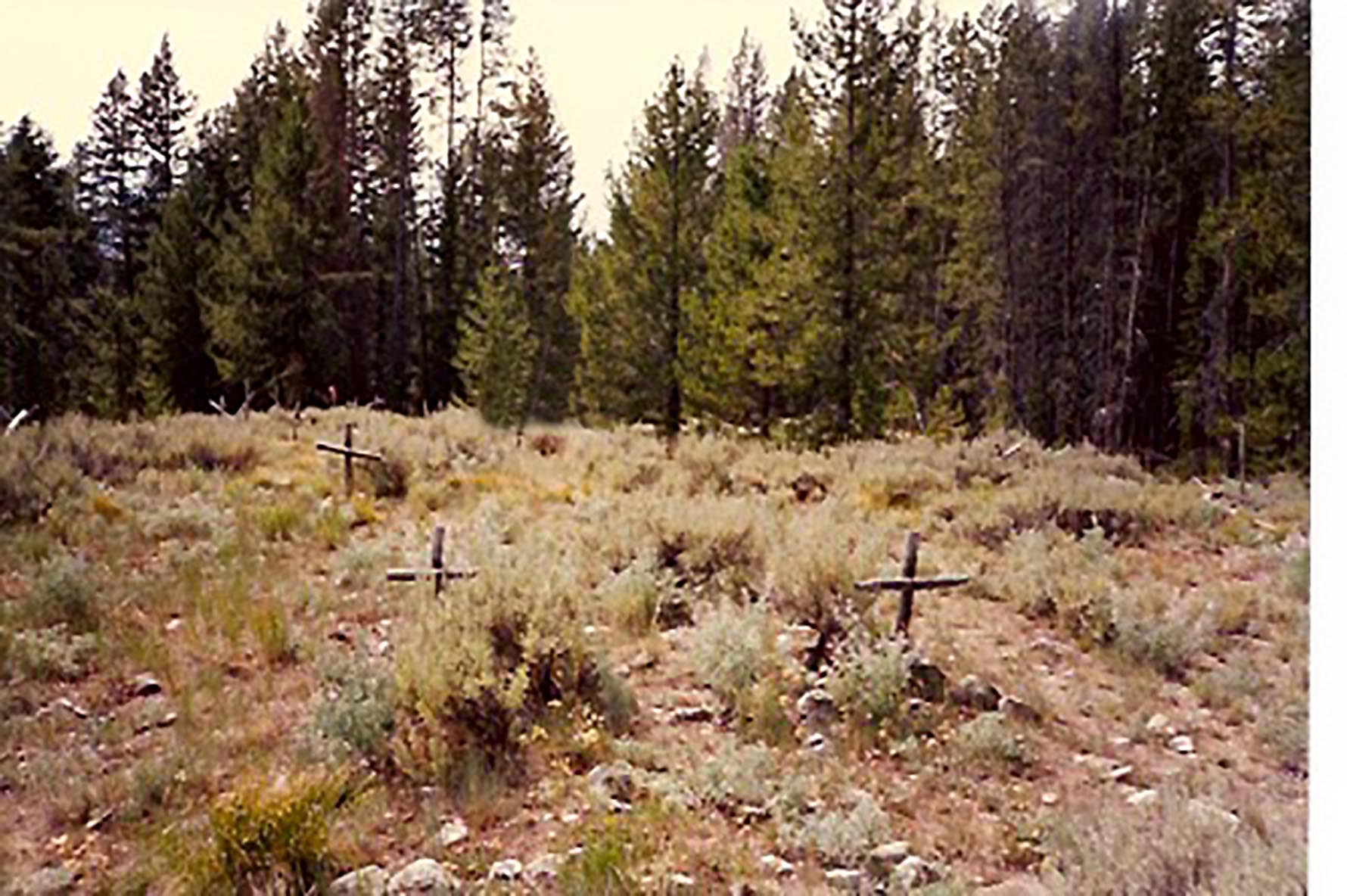
We have a cabin in Featherville, Idaho, near the mining camps of Rocky Bar and Atlanta. Featherville was actually near a mining camp too named Esmeralda. As we spent summer vacations there, we wandered the mountains and learned more about the mining history. I heard about a woman named Peg Leg Annie. That started me thinking. What if I was Peg Leg Annie’s daughter? What if I had to grow up in a mining camp? That’s how the idea for the novel evolved.
What about that era appeals to you?
I love everything Victorian, and this is just at the end of the Victorian age. My favorite pastime is haunting old cemeteries and Victorian mansions. I love the West and the open spaces and how where a person lives affects the way they live. My character Emily has a tough time in the mining camps and thinks things will get better once she travels to a more civilized town. But when she gets to St. Louis, she discovers civilized society can often be harder to navigate then the gritty mining camps.
Are your characters real or fictional? If they’re real, how did you fictionalize them?
All of my characters are fictional. I did use the real person, Annie Morrow, as the inspiration for Goldie McIntyre, but everything is fiction. I did use real names for the towns to ground the story.
What kind of research is involved in writing your novel?
Tons. I read everything I could find about the Idaho mining camps and transportation in the late 1800s. I visited local libraries. For libraries I couldn’t visit, like in St. Louis, I corresponded through mail and email. I even purchased an old Webster’s dictionary to make sure I was using words common to the era, words my characters would use. I also conducted interviews and read old newspapers.
How do you organize the fictional aspects of your writing vs. the historical facts?
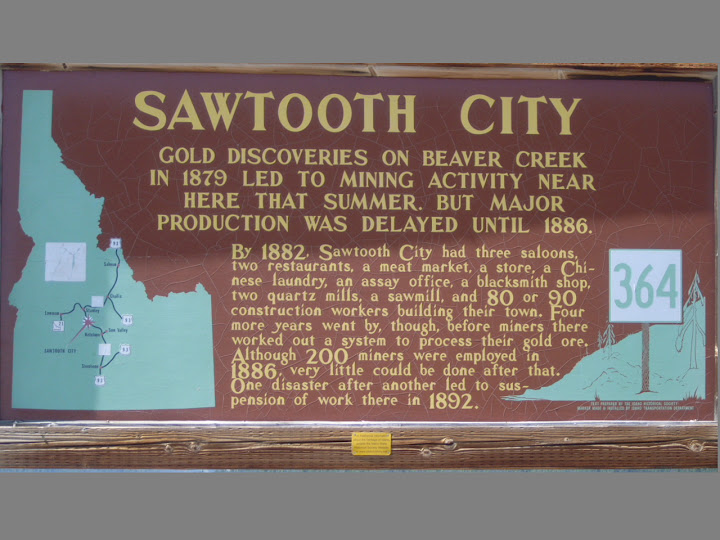
I kept historical dates accurate but I changed some of the names, like Sawtooth City became Saw Tooth City. I studied historical events and made sure the same things happened in my story. For instance, an article I read about a Forth of July parade in Rocky Bar became material for a scene in the book. Traveling troupes were popular at that time, and I made sure a travelling troupe visited the mining camps.
How does the historical timeline move your plot along or influence the actions of your characters?
One of the things I wanted to do was show the differences between people who lived in “polite society” vs those growing up in the mining towns. Dirt roads vs roads paved in brick. Full pantries vs the meager food found in mining camps, especially in winter when supplies couldn’t be delivered. And how transportation impacted the way people lived and moved about the country, much of which was still undeveloped.
How do you feel about writers taking creative license with historical facts? Or, does it bother you when facts area changed to fit the story in a movie or a book?
It used to. I don’t like it when authors put words into the mouths of famous people. For instance, I read a novel recently about nurses during the Civil War. The author had President Lincoln interact with the characters, carrying on conversations that “might” have happened. It didn’t make the scenes more real for me, in fact, they felt false. I can be a purest sometimes and I don’t like it when authors rewrite history to serve their stories, but I understand why they do it. I think they risk offending their audiences when they do because some people are unwilling to suspend their disbelief, especially if they are staunch historians.
What’s next for you after this present work?
I have several projects in the works. A novel set on the Oregon Coast, a collection of short stories in a rural setting, and a book with regional stories and recipes. I’m always working on something. Goldie’s Daughter will be out this summer, please watch for it.
Shoshone Falls on a Perfect Spring Day
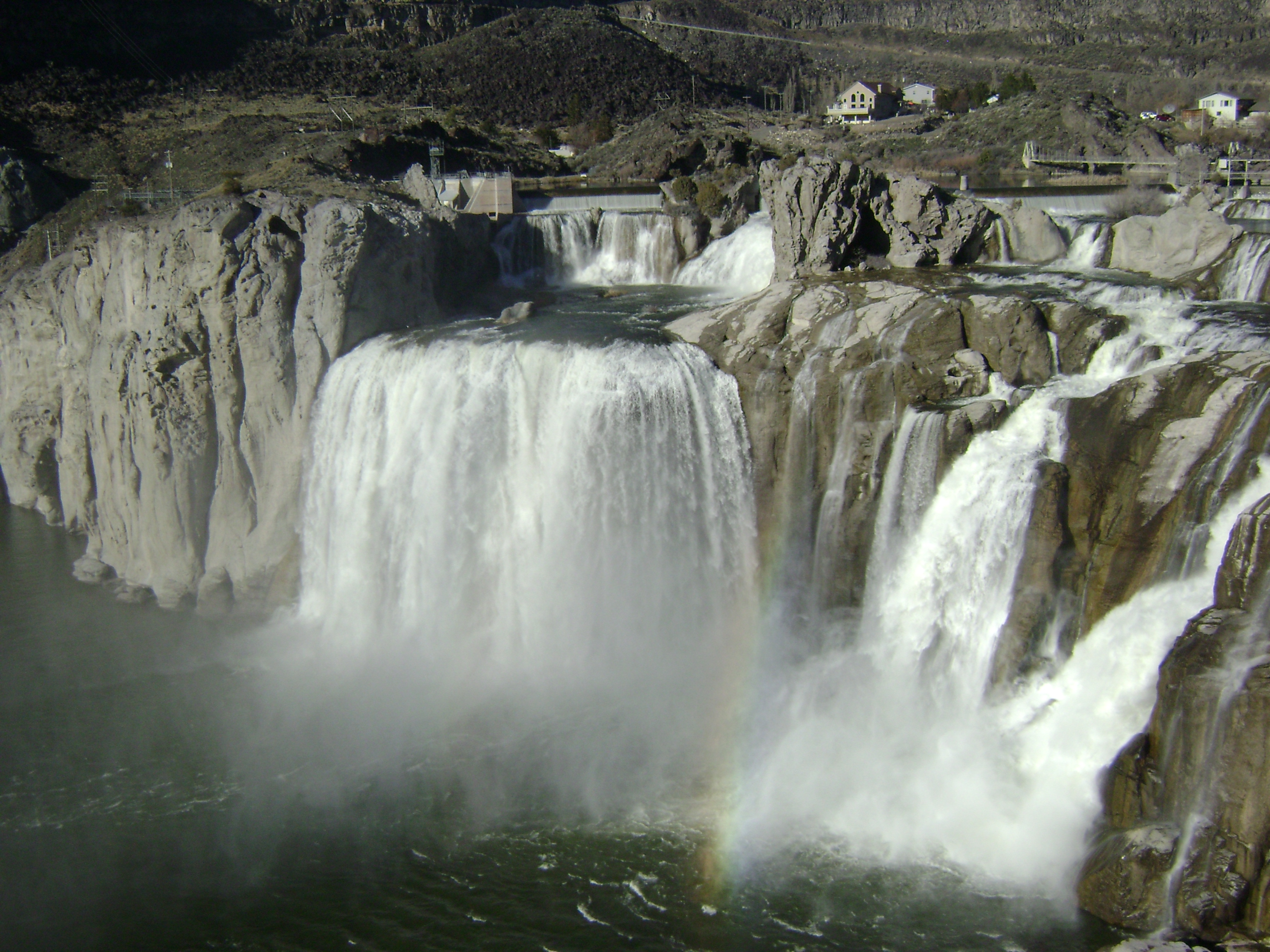
Spring in southern Idaho can be treacherous, or it can be beautiful. Usually the wind blows so hard you think you are in Kansas, but today it is beautiful, so beautiful I wandered down to Shoshone Falls.
Sometimes called the “Niagara of the West,” Shoshone Falls is 212 feet high—45 feet higher than Niagara Falls—and flows over a rim 1,000 feet wide. Because water is diverted for irrigation and hydroelectricity, water levels diminish in the summer and fall making spring the best time to view the falls. Here is what it looked like today. As soon as the snow melts in the mountains, the water pouring over the falls will double.
This high desert isn’t always dry and boring. Today it is splendid and boasting of spring.
Two Idaho Author Awards

My book Waiting, a novel about three generations of Idaho women, was named one of the 2014 Top Ten Fiction books the Idaho Book Extravaganza last week in Boise, Idaho.
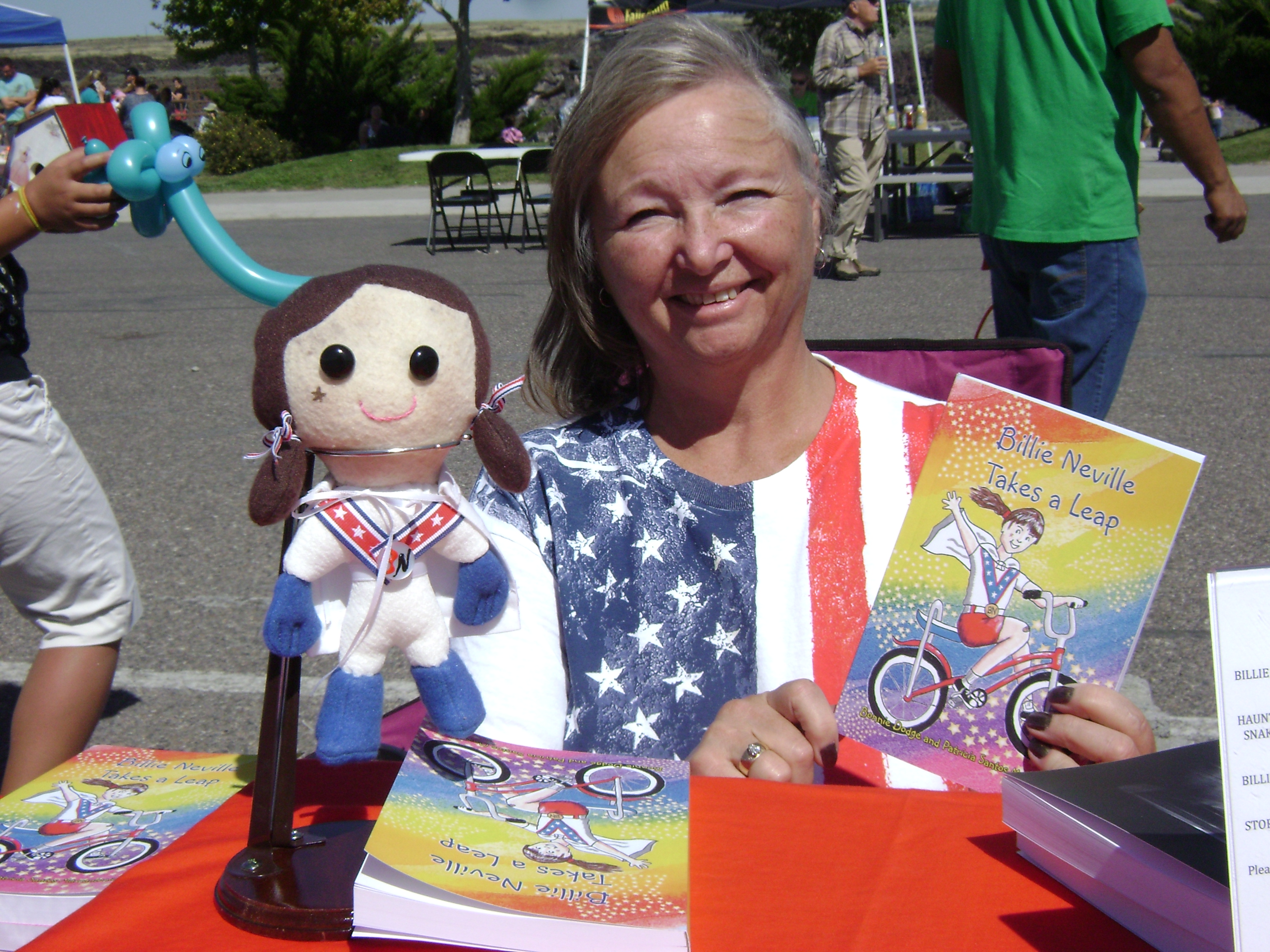
Also, Billie Neville Takes a Leap, a book about a girl who dreams of being a daredevil amidst the excitement of Evel Knievel’s jump over the Snake River, that I co-wrote with Patricia Santos Marcantonio published by River St. Press, won second place in the young adult category.
Thank you Idaho Book Extravaganza!
An Awesome day in Twin Falls.
We had so much fun today at the Perrine Bridge Festival. It was a little windy, but, then, this is Idaho. Thanks, everyone, for stopping by and saying hello!
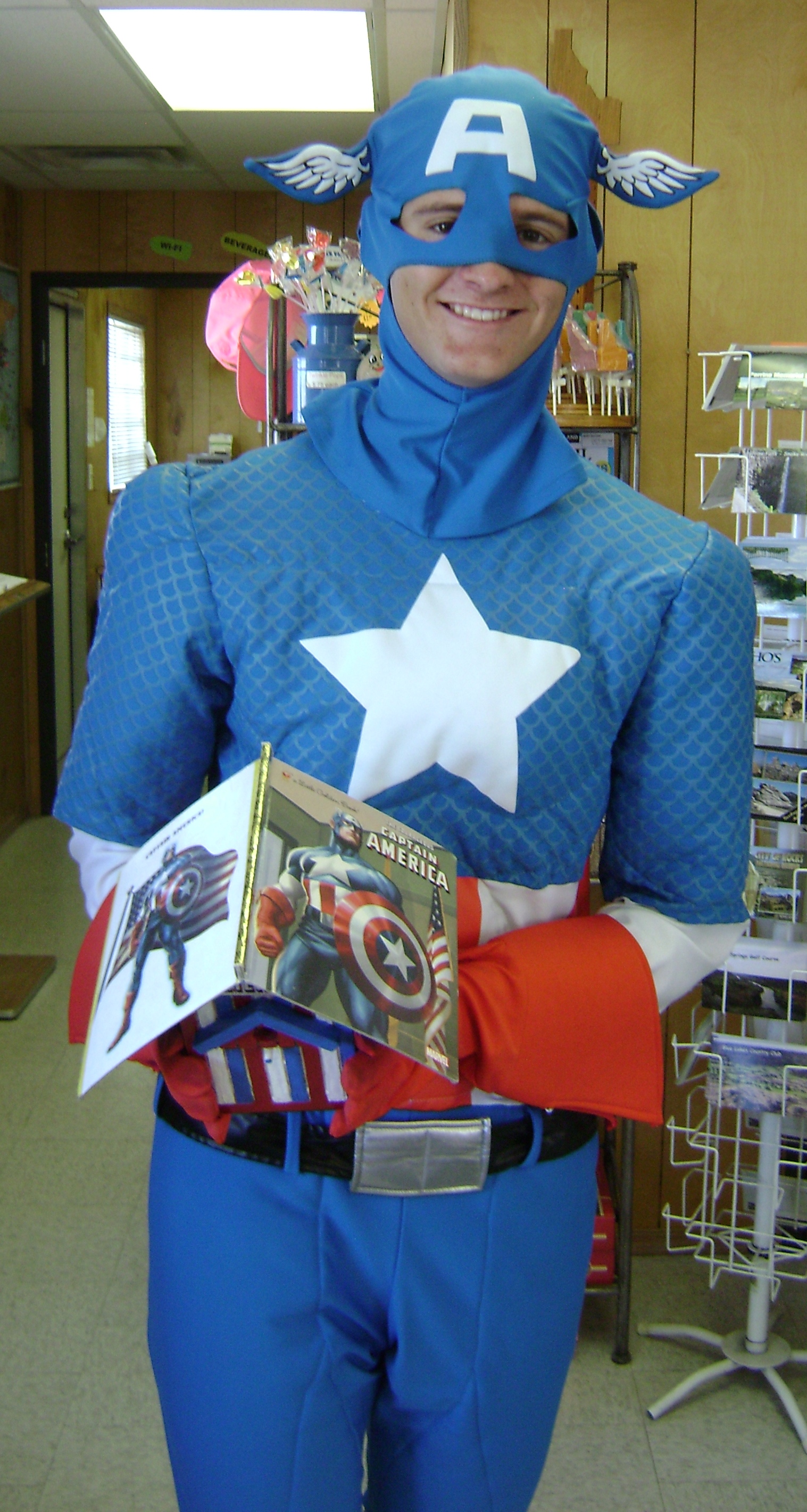
And a famous superhero holding one of our storybook houses!
Say Hello to Joanne Pence
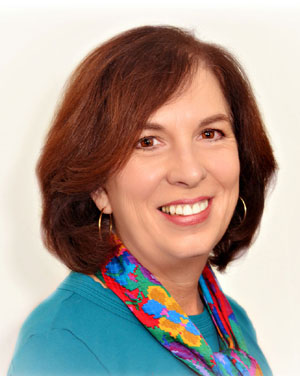
Joanne Pence is an award-winning and USA Today best-selling author of the Angie Amalfi mysteries, the new Rebecca Mayfield mysteries, as well as historical fiction, romance, romantic suspense, a fantasy, and most recently, a supernatural suspense set in the empty, roadless, no-one’s-ever-lived-there “River of No Return” area of Idaho. Born and raised in San Francisco, she has been a journalist, analyst for the Federal government, taught school in Japan, and now makes her home in the foothills north of Boise, Idaho, with her husband, two dogs, four cats, and a peahen (female peacock) who showed up one day and refuses to leave.
I met Joanne several years ago at a writer’s function in Boise. She had just relocated and wanted to connect with other writers. We’ve been good friends since. An active member of Idaho Writers Guild and a true writer’s advocate, Joanne gives willing of her time and knowledge.
15 things you may not know about Joanne Pence
1) Why did you become a Writer? How did you get started?
Growing up, I wanted to become a foreign correspondent and travel the world. I made it as far as Japan. After I got married and had children, I turned to fiction. Fortunately, through journalism (I have a masters degree in it), I learned a lot about writing. With fiction, I enjoy being able to have stories end the way I want them to.
2) What is your writing routine? How do you discipline yourself to keep at it?
I no longer have a “day job,” and my sons are adults, so I only have my husband and pets to contend with around the house. It’s not difficult to fit in time to write. In fact, I’ve been known to become grumpy if I can’t find time to write because too many other things have to be done. (Hard to imagine, isn’t it?)
3) How many drafts before you feel the book is finished?
It depends on the book. I know when I’ve written enough drafts when I stop finding things to change. I write an extremely rough, short, first draft—just doing all I can to get from the beginning of the book to some kind of an ending. I don’t worry about much when I’m putting down that draft. Sometimes I’ll think of something in the middle of the story that needs to go in the beginning, so I’ll write it down. Later, I’ll move it to where it belongs. Also, I write in scenes—each new scene has its own file (I use Scrivener, which is a blessing for people who write the way I do). I’m a person who needs to see things written down, and only after that am I able to fix what needs to be fixed. Because my first drafts are so rough and short, the next few drafts flesh out the plot, and the last few drafts flesh out the characters. I know the book is almost finished when I start to cut out the excess words, scenes, descriptions, and especially explanations that tell instead of show.
4) What was the best thing that happened with regard to your writing career? The worst?
Selling my first novel was definitely the most exciting thing, and then my second (the first in the Angie Amalfi mysteries, Something’s Cooking) was nominated for several big awards and sold extremely well, so that was a huge boost. One of my special memories happened shortly after watching a Woody Allen movie (can’t remember the name) in which he was a writer and in one scene he walked into the HarperCollins building at 10 East 53rd Street in New York City (the front is quite distinctive). A few weeks later, there I was walking into the same building. I went to the Edgar Mystery Awards Ceremony with my editor. It was all quite magical.
Despite all that, I began to feel as if I was on a treadmill, turning out one Angie Amalfi mystery a year. The best thing was when I decided I wanted to write something completely different, and stopped the Angie books.
As far as the worst, there were disappointments—it’s always easy to think one should have been given more support, more publicity, more money, or whatever—but overall, I really can’t complain.
5) What part of your job do you love the most? Hate or dislike the most?
I most dislike writing the first draft of a book. It always seems impossible—that I’ll never be able to think of enough for my characters to do to cover 55,000 or more words. I have to all but force myself to write at that first draft—a necessary evil. I most love late-draft revising, where the plot has been worked out, and I’m tweaking to find the perfect word to make a sentence better, or the perfect few sentences to transform a scene from the mundane to something that comes alive or evokes emotion from the reader. I also love making book covers. That’s something I’ve been learning to do since I set up my own publishing company as an independent author. It’s not easy, but I love the challenge, and hope to someday be really, really good at it.
6) What do you like to read? Do you read while working on a novel? Favorite authors?
I most enjoy mysteries and suspense novels that deal with crime, but that have characters with a romantic storyline of some sort. The Yard was a recent read that’s a good example—a crime story that takes place shortly after the Jack the Ripper murders. The inspectors, their wives, lovers, and so on were great people to read about. As to favorite authors, that’s tough–they change with my mood. Over the years, probably the ones I’ve gone back to and reread are Daphne du Maurier, LaVryle Spencer, and Michael Connelly.
7) What was the best advice you received as a writer? The worst?
The best advice was to give independent publishing a try. I’ve never enjoyed writing as much as I do since I began putting out my own books and writing them the way I want them written. The worst was probably to write what my editor and agent wanted me to write rather than to follow my own muse.
It’s very easy to fall into the trap of thinking that because agents and editors are “professionals” they know what’s best for you. For example, anyone who is familiar with my biggest, most ambitious book, ANCIENT ECHOES, can understand how dumbfounded I was when an agent suggested I “get rid of all that Lewis and Clark stuff.” I’m thankful I continued with my concept of the book, not someone else’s. (It was chosen as a Top Idaho Fiction Book of 2013.)
8) Who has influenced you the most in terms of developing your personal writing style?
Considering that I’ve been writing since the 1970’s, I have no idea—I write the way I write because it’s the way I think. My “voice” is like a colloquial style that’s clear, simple, wry, and sometimes tongue-in-cheek. I can think of writers who tend to write that way, but I don’t know that they were influences. Susan Isaacs’ Compromising Positions showed me that humor and crime could go together.
9) Do you have a good luck charm or superstition?
I’m afraid not.
10) If you weren’t a writer, what would you be?
I’d be unhappy. I’d probably be doing something else creative—making book covers for other people, possibly; or painting; maybe knitting, crochet, and/or needlepoint which are all things I very much enjoy.
11) What quote or personal saying do you live by?
“If you build it, they will come.” In other words, don’t sit around and wish for good things to happen to you—get out there and work to make your own luck and you won’t be disappointed. Things might not turn out the way you expect, or even the way you ever imagined, but whatever the result will be, it’s preferable to doing nothing.
12) What’s next up for you, writing-wise?
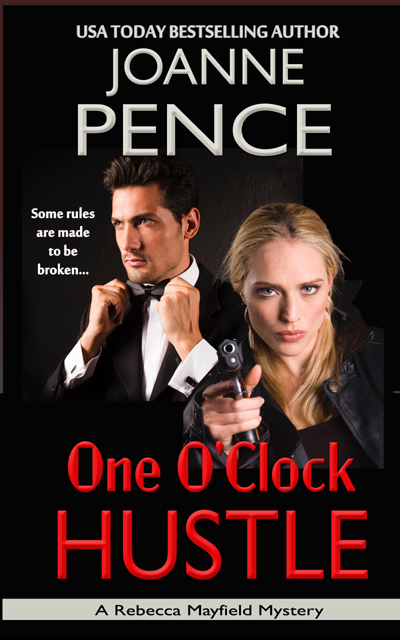
Bottom line, I hope to write more, write faster, and write better. Specifically, I hope to quickly put out at least three books in my new Inspector Rebecca Mayfield mystery series. The first book, ONE O’CLOCK HUSTLE, was released in April. The second book, TWO O’CLOCK HEIST, will be released next month, and then I hope to start the third, THREE O’CLOCK I-DON’T-KNOW-WHAT-YET. I also want to complete the trilogy that began with ANCIENT ECHOES. And Angie Amalfi fans keep writing to me asking for another book in that series.
13) If you could do anything over again, would you and what would it be?
I wish I had paid more attention to what was going on with independent publishing earlier than I did. I was hearing rumors, but not until 2011, when I attended a conference in Florida, did it all begin to make sense. There’s a steep learning curve—and things change from one week to the next—so you pretty much need to just jump in and test the waters.
14) What advice would you give beginning writers?
I would tell writers to write what they “love” rather than what they “know” because there’s a world of research at your fingertips. If I had written what I know, I never would have set parts of ANCIENT ECHOES in Mongolia or Jerusalem, and never would have used the “secret” that’s the heart of the story. Writers need to listen to that little voice we all have that tells us when something needs changing or needs more work. And most of all, don’t release a story before you’re completely happy with it.
15) Something we don’t know about you?
Perhaps you don’t know that I studied Mandarin Chinese in college and took calligraphy classes to learn to write Chinese characters using a brush and ink that I was taught how to prepare. Both were among the most difficult things I ever attempted!
And: what’d you like us to know about your latest release?
My latest release is ONE O’CLOCK HUSTLE. Homicide Inspector Rebecca Mayfield and Richie Amalfi were introduced in the Angie Amalfi mysteries, and they now have their own mystery series. This is their first full-length story.
When San Francisco Homicide Inspector Rebecca Mayfield arrives at the scene of a deadly shooting, she’s shocked to find that the witnesses have caught the killer, and that he’s someone she knows. Rebecca’s a by-the-book detective, and she’s always done her job according to the rules, without hesitation … until Richie Amalfi comes back into her life.
Richie knows his way around everything and everyone in his city. When people say they “know a guy who knows a guy,” Richie’s the guy they’re talking about. He can usually help people out of tight situations, but suddenly finds he can’t get himself out of hot water when he’s accused of murder.
Richie’s on the run, and he runs straight to Rebecca to help him prove his innocence. From the nightclubs of North Beach to the scenic heights of Twin Peaks, dangers lurk and more deaths happen. As Rebecca discovers there’s a lot more to Richie than she thought, and a lot more to like than she imagined, she soon fears not only for her life, but also her heart.
Joanne will be signing books this Saturday (June 14) at Rediscovered Bookshop in Boise, Idaho, Saturday 11-1. If you’re nearby, stop in and say hello.

