Manzanita: Cloud & Leaf Bookstore, Manzanita News & Espresso
Nehalem: Beehive
Wheeler: The Roost
Tillamook: Tillamook Country Pioneer Museum
Cannon Beach: Cannon Beach Books
Seaside: Beach Books
Astoria: Lucy’s Books
Pacific City: The Rowboat Gallery
Writing
Not Writing Excuse #3: Computer Technology
12/17/2023
I woke up in a good, creative mood determined to write. I wanted to talk about the holiday season and what that is like here on the coast with rain instead of snow, about the light parade in Waldport, and the upcoming Christmas show at the Performing Arts Center. Ideas were bubbling in my head until I fell down a WordPress rabbit hole because I did things backwards. Instead of writing the words and then posting them to my blog, I decided to update my website first. There were a couple of changes that needed to be made and I wanted to fix them before I started writing. They weren’t big changes; they would only take a minute or two to fix. Three hours later I was still trying to make the changes and not one creative word was written. My creative energy was frustrated and angry and I no longer wanted to write.
I’m a touch OCD so I wanted to fix what was wrong first. Having designed a couple of WordPress sites some years ago, I thought it would be easy. I could make the changes, write my blog, and still have time to walk the dogs before it got dark outside. Because, of course, you can’t post anything to an outdated website, right?
Two hours later I was still trying to figure it out. I edited the pages. The changes didn’t appear. I couldn’t remember how to change the date on the copywrite page. I was having trouble working with blocks instead of the classic layout. It had been a while since I set up my website. I’m older and slower and rereading instructions I found on the Internet didn’t help. I walked away from the computer. I played a few games of solitaire to calm down. I looked out the window. I was so frustrated I was ready to quit.
But I kept going back. This was fixable, I knew it. I just didn’t know how to fix it. I read countless questions and answers on Google and punched buttons until I was ready to punch a tree. In the end I did get the changes made, but by that time my creative energy was gone and it was dark outside.
I learned something today. Write the words first. Even if technology wins in the end and your website doesn’t look exactly like you want it to, at least your creative energy was put to good use. And you have something creative to read instead of how to untag a page in WordPress.
15 Things You May Not Know About Gemma Whelan
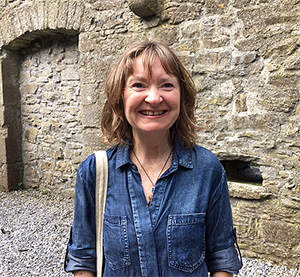
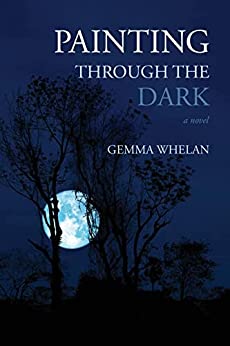
Gemma Whelan writer, not to be confused with the English actor Gemma Whelan, is an award-winning director, screenwriter, and educator. As an Irish immigrant to the U.S., her perspective crosses the boundaries between cultures, and as an artist, she gives expression to stories that have been suppressed. Gemma was the founding Artistic Director of Wilde Irish Productions in the San Francisco Bay Area and of Corrib Theatre in Portland, Oregon. She has been directing and teaching at universities and conservatories in the U.S, Ireland, and Asia for over 35 years. Her novels are Fiona: Stolen Child and Painting Through the Dark. She lives in Portland, Oregon. Here are some things you may not know about her.
1) Why did you become a writer? How did you get started?
As a child I was an avid reader and would escape and find secret places to read. I dreamed of being a writer. I started writing seriously when I was in film school and wanted to have more agency. To be the one who generated stories.
2) What is your writing routine? How do you discipline yourself to keep at it?
In my life it’s more like carving out the time, stealing time. I sometimes write in the quiet of the morning when everyone is asleep. If I can find a quiet few hours, I’ll write anytime.
3) How many drafts before you felt this book was finished?
Too many to count. I don’t keep every new draft, and with computers it’s so easy to go back and take a pass with e.g., one new idea and weave it into the story.
4) What was the best thing that happened with regard to your writing career? The worst?
The best is my writing group. I have a small group of people (now there are three of us) who work really well together. We have different styles, and we trust each other. The worst? The publication of this book, first time around was a fiasco. The publisher was not trustworthy and ended up bailing on dozens of writers. I had to pivot and reset.
5) What part of your job do you love the most? Hate or dislike the most?
I love the writing, figuring out the story. I love the re-writing, finding ways to go deeper and make it richer. The promotion can be hard.
6) What do you like to read? Do you read while working on a novel or screenplay? Favorite authors?
I always read. I can’t manage without a book! That sounds like dependency and probably is! I read fiction, non-fiction, memoir, poetry. Too many favorites to name – Virginia Woolf, Gabriel Garcia Marquez, Anne Enright, Colm Toibin, Emma Donoghue, Ann Patchett, Anne Lamott. Sometimes I give myself the luxury of re-reading and am currently delving back into Wintering by Katherine May. I also have read plays my whole life as I’m a theatre director – I love Samuel Beckett, Brian Friel, Marina Carr, Harold Pinter, Caryl Churchill.
This is a question that I could spend hours answering, but I’ll stop! I personally know so many amazing writers – novelist, memoirists, poets, playwrights – it would be dangerous to go down that road…
7) What was the best advice you received as a writer?
Stay inside your character. Feel from the inside.
8) Who has influenced you the most in terms of developing your personal writing style?
My writing group members Ellen Kesend and Mark Montgomery. They are brilliant writers and perceptive critics.
9) Do you have a good luck charm or superstition?
As long as I have a good cup of tea (black, Persian tea, with fresh ground cardamom, and milk), I’m good to go!
10) Which is harder, writing a novel or a screenplay? Which form do you like the most?
For me novels are harder, but more enjoyable. Screenplays generally follow a formula and give you guidelines about shape and structure. A novel unfolds more slowly and is a lot about discovery.
11) What quote or personal saying do you live by?
“May you live all the days of your life.” I think it’s from the Talmud.
12) Do you paint? What are your favorite things to paint?
I don’t paint. I have no skills at all as a visual artist! I do love and admire and appreciate art.
13) If you could do anything over again, would you and what would it be?
Go back to Paris and stay for a while. Bring my French back to a happy conversational level.
14) What advice would you give beginning writers?
Keep at it. Be dogged. If you love it, don’t let anyone stop you.
15) Something we don’t know about you?
I’ve rafted down a raging river in the Thai jungle on a very basic bamboo raft made right before the expedition.
And: what would you like us to know about Painting Through the Dark
My novel is based on certain events and experiences I had when I came to this country from Ireland at 21, with no money and no contacts. But Aisling is not me. She’s herself. She’s the character who has to navigate this world I placed her in and figure out how to survive.
My name: My full name is Dolores, Gemma, Therese, Whelan. My parents took one look at me and decided I was a Gemma, not a Dolores, so Gemma has always been my name. I was called after a saint, as all children born in Ireland were at the time. Gemma is an Italian name, and in Latin it means jewel, or precious stone. Therese is my confirmation name. So, I have a Spanish, Italian, French, and Irish (Whelan) name!
You can find out more about Gemma on her website https://gemmawhelan.com/
Under the Blood Moon
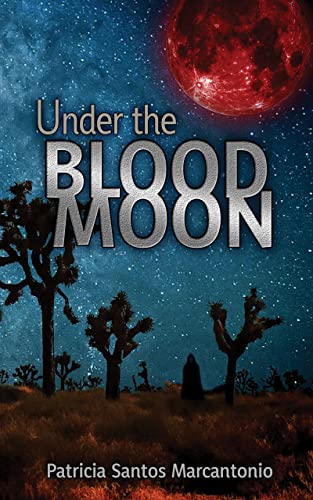
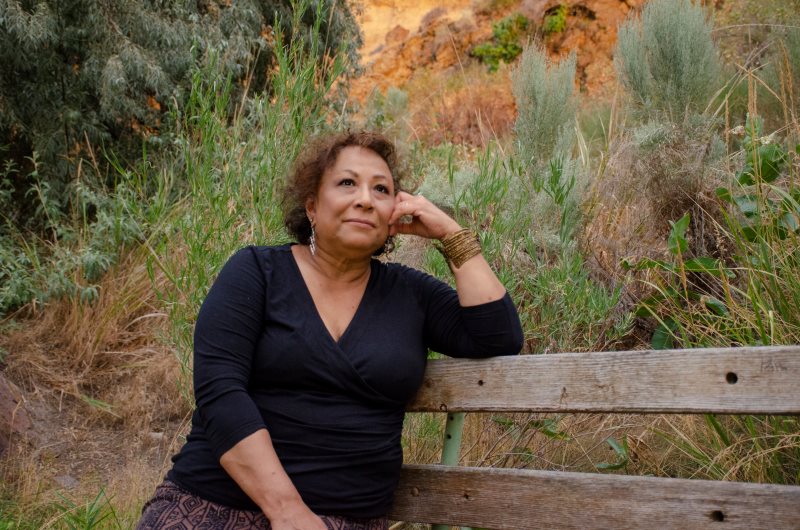
My writing partner, Patricia Santos Marcantonio, released her latest book, Under the Blood Moon in August 2022. Since most writing is done alone, it’s always a mystery how a stack of blank pages turns into a story. Here are some questions I asked Patricia about her latest book and writing process.
In Under the Blood Moon you present a murder mystery that is also scary with lots of questions and horrific demons. Throw in a big dose of Latino culture and you have an intriguing whodunit. Please tell us a little bit about your writing process.
1. How does your newest release, Under the Blood Moon compare or differ from your other books?
Although I’ve written a horror/suspense anthology graphic novel, this was my first horror novel. And it was fun to write. I love to read books that scare me so I was challenged to write what would scare others. Since it was also supernatural horror, I really got the opportunity to let my imagination loose on what happens when hell literally comes to a small town and how the townspeople react to the terrifying stuff. To me, horror is all about the reaction of the characters. But I also mixed in a mystery so readers could discover, along with the protagonist, the reason for the murders and horror.
2. What inspired you to write Under the Blood Moon?
The Mexican ghost and folk tales that I’d heard and read about sparked this book. I asked myself what if they were real and descended on a small town.
3. Were you able to pick the title for this book and if so, what does the title signify to you?
My original title was “Blood Moon,” but the publisher changed it. Nevertheless, it still fits because what happens in the town of Guadalupe takes place all under the full moon. Like the eye of God is watching the drama below.
4. There are many characters in this book. How do you keep them all straight. Do you use a chart, etc? I’m not that organized for a chart. I usually keep a list to make sure I know who the characters are and that their names weren’t too similar.
5. In which genre do you prefer to write and why?
I’ve written mysteries, children’s books, young adult books, plays, a women’s fiction novel, and a courtroom drama. It’s hard to pick a favorite. I love them all. Each is a challenge. Because I like to write in different genres, I don’t have a specific brand as other writers do. That’s probably detrimental to my career, as far as marketing goes. But I choose to write what stories interest me.
6. When did you first consider yourself a writer?
I’ve written stories since I was a kid so I’ve always thought of myself as a writer. But when I got my first advance check, then I said to myself, “Okay, now you’re a professional writer.”
7. What inspired you to write your first book?
I worked as a disc jockey in college so my first novel was about a troubled DJ who could communicate well over the radio but not so much in his personal life. It wasn’t very good and I ended up tossing it. The next one was way better and got published.
8. What books have most influenced your life?
Oh, so many. To Kill a Mockingbird inspired me to be more understanding of others, to step into their shoes as Atticus advises Scout. In other words, to be more human. Catch-22 inspired me to keep a sense of humor in troubling times, and always strive for life. Jane Eyre inspired me to realize that even short, unpretentious women can be strong and mighty.
9. This book taps into many of the Mexican myths and folk stories. Can you share with us some of the myths you grew up with as a child and which ones scared you the most?
The one that really scared me was the llorona, which translates to the weeping woman. This is about a disfigured creature that killed her children and goes looking for more at night. My dad also told me a great story about a bruja’s curse, bruja being a witch. I told a version of it in Under the Blood Moon. Those tales enriched my life with their tradition and scares.
10. Which, if any, Mexican myths still haunt you today?
I’d say the llorona. I’ve retold her story in a book, short screenplay, and a play. I love that she is both a tragedy figure and a frightening one.
11. What suggestions do you have for someone beginning to write mysteries and horror stories?
For mysteries, plot the hell out of them because you don’t want any holes. Approach it as both the detective and the villain–the villain wants to get away with murder and the detective wants to solve the crime. I also heard a great suggestion to start with the murder and go backwards to see how the killer did it, and got away with it, that is until the detective solves the case. As for horror, start by asking yourself what scares you. For me it’s how innocent situations such as a young woman crying in a park, a boy splashing in a pool, or a cake that’s about to be decorated, can go sideways and transform into terror. That makes the world unbalanced. But for both genres, and in fact, for most of the others, it’s the characters that matter most. How do the mystery and the horror affect them? How do they react? Do they change? Do they become the best version of themselves or the worst? How do they overcome obstacles? Their humanity really tells the story.
Patricia Marcantonio is the author of the Felicity Carrol Victorian mysteries; the courtroom drama novel Verdict in the Desert; and Red Ridin’ in the Hood and Other Cuentos , which earned an Anne Izard Storyteller’s Choice Award and was named an Américas Award for Children’s and Young Adult Literature Commended Title. Her horror mystery Under the Blood Moon has been published by Dark Ink.
A member of the Dramatists Guild of America, she received Alexa Rose Foundation Grants to produce her play, Tears for Llorona, inspired by an old Mexican ghost story, and to workshop her new play Starring Jane Eyre.
Her screenplays placed first in the Willamette Writers Kay Snow and Reel Women of the West Screenplay contests, as well as placing in the top percentage of the Phoenix Film Festival, Stage 32 Blood List, and MORE Women in Film competitions.
As a journalist, she earned several state and regional awards and was named a Newspaper Association of America Digital Media Fellow. For several years, she covered crime and courts as a reporter.
Read more about Patricia at https://patriciamarcantonio.com/
15 things you may not know about Patricia Marcantonio
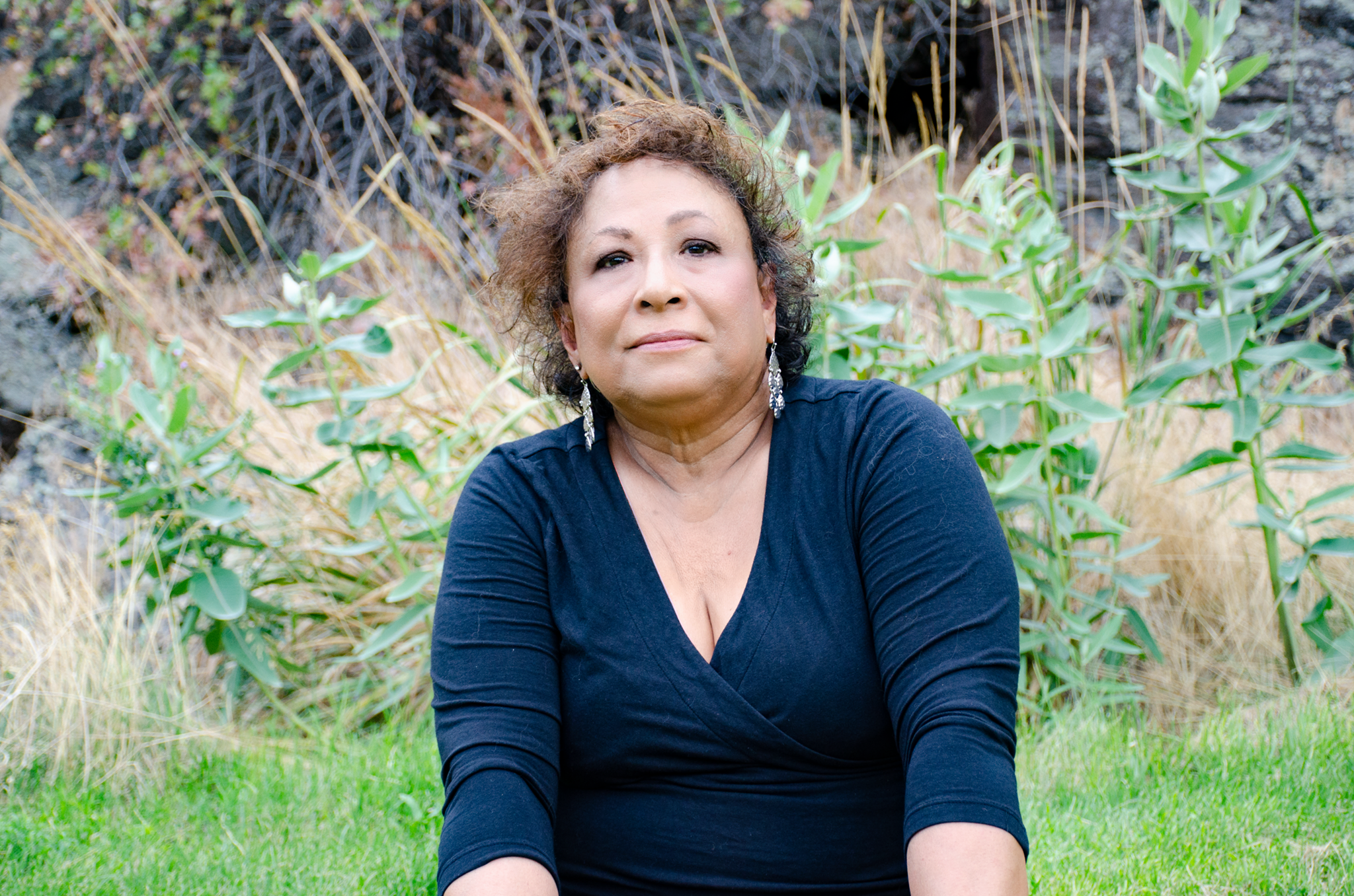
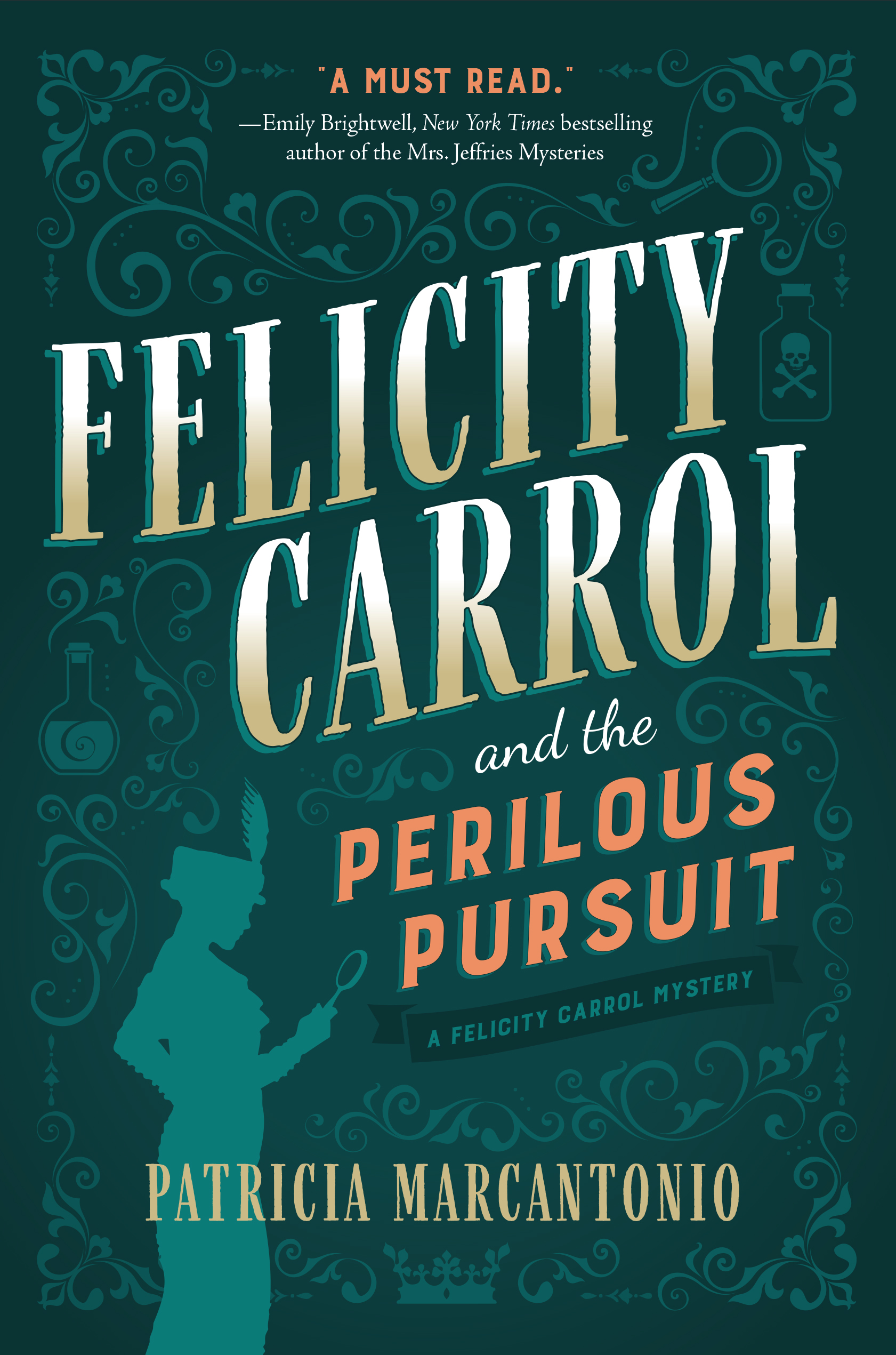
I met Patricia Marcantonio in a creative writing class more than twenty years ago. Sharing a love for reading and writing, we became writing buddies and remain so today. Any time I have a question about writing or publishing I can call Patricia and brainstorm my way back to productivity. With the release of her latest novel, Felicity Carrol and the Perilous Pursuit: A Felicity Carrol Mystery, I’m pleased to introduce Patricia Marcantonio and share with you some of her writing secrets.
1) Why did you become a Writer? How did you get started?
I became a writer because I loved telling stories. I was a voracious reader and I started making up my own stories when I was a kid. I would tell them to my parents. I was a full on nerd and loved writing assignments in school while the other kids moaned. I started writing my own stuff seriously when I got out of college. I wanted to be a novelist but there was no degree in that so I became a journalist to earn a living while writing books.
2) What is your writing routine? How do you discipline yourself to keep at it?
I work out in the morning and write in the afternoon until evening Monday through Friday. If my husband is watching football or going bowling, I’ll write then as well. If I don’t write I get cranky so I write to keep happy.
3) How many drafts before you feel the book is finished?
So many that I feel I have memorized the book. Maybe three to four drafts until I think it’s good, I print out the manuscript, let it rest for a while, and read it out loud. After that I go back and make changes and rewrite again. I’ll also make extra passes on the lookout for what I call lazy words, for phrases I’ve repeated, and to charge up the story with active verbs. Then I go through again. I get to a point where I say this is the best I can get it. Sometimes I’ll go back after a few months and see if I need to make changes.
4) What was the best thing that happened with regard to your writing career? The worst?
The best thing is getting published and having people love your work enough to want to put it out into the world and pay you. The worst? When people don’t get what I’m trying to do with a particular book or story. Then I think I have failed at getting them to share my vision. Rejections are a bummer, too.
5) What part of your job do you love the most? Hate or dislike the most?
I just love coming up with stories and it doesn’t matter what the genre. I’ve had a children’s book, a drama courtroom novel, and now a mystery published. I also write screenplays and plays. So I consider myself a storyteller rather than a genre writer. I’d love to tackle a sci-fi, fantasy, or magical realism novel. Maybe that’s a weakness not to stay in one genre. I don’t know. What I dislike? It’s a hell of a lot of work and I don’t think people appreciate how much of your heart, soul, liver, and spleen you put into those pages.
6) What do you like to read? Do you read while working on a novel? Favorite authors?
I don’t read nonfiction at all unless I’m doing research for a book. I have very eclectic tastes. I love to read sci-fi, fantasy, drama, women’s fiction, mysteries. Favorite authors are Kate Atkinson, Alice Hoffman, Taylor Sheridan, Neil Gaiman, Dennis Lehane, Margaret Atwood, Joseph Heller, and Charlotte Bronte, to name a very few. When I’m writing I do read but not in the genre I’m writing. So if I’m writing a mystery, I’ll read a fantasy. It’s a nice break.
7) What was the best advice you received as a writer? The worst?
The best advice was to keep writing and know your theme because that’s the heartstring of your story. My own advice to myself is to keep learning about writing so I will read articles and go to conferences to hear speakers. I don’t know everything and I’m also striving to get better. The worst advice? I can’t remember and that’s probably good.
8) Who has influenced you the most in terms of developing your personal writing style?
By reading other writers I admire and hearing their voices and figuring out how the hell they did that. I’ve also noticed my writing voice does change with the type of book I’m writing.
9) Do you have a good luck charm or superstition?
No but I’m open to one.
10) If you weren’t a writer, what would you be?
I got accepted to law school but didn’t go. I think I would be a lawyer if I wasn’t a writer. Lawyers tend to make more money than writers.
11) What quote or personal saying do you live by?
Sit in that damn chair and write. Do it because you love it.
12) What’s next up for you, writing-wise?
Another mystery and horror screenplay, plus I’m rewriting a middle grade book. I like to mix it up.
13) If you could do anything over again, would you and what would it be?
Go to film school and make movies.
14) What advice would you give beginning writers?
Read good writing, keep telling stories, and don’t expect to get rich. Writing is part of what I am. If you don’t feel that strongly about writing, maybe find something else to do. I say that because it is tough and demands a lot of time and energy and love.
15) Something we don’t know about you?
I love Star Trek.
And: what would you like us to know about your latest release?
Amidst the heraldry of Queen Victoria’s Golden Jubilee celebrations, a string of brutal murders rocks Britain’s upper crust―and could threaten the realm itself.
The mystery features a brilliant resourceful young woman finding her place in the world. She’s a fun character set in the middle of Victorian England.
To learn more about Patricia visit her at https://patriciasantosmarcantonio.com
15 things you may not know about Stevan Allred
Writer, teacher, and editor, Stevan Allred’s debut novel, The Alehouse at the End of the World, was published by Forest Avenue Press in November 2018. Since then, the book has exploded, recently hitting #4 on Powell’s bestseller list. Allred claims he has survived circumcision, a tonsillectomy, a religious upbringing, the 60’s, the War on Poverty, the break-up of The Beatles, any number of bad haircuts, years of psychotherapy, the Reagan Revolution, the War on Drugs, the Roaring 90’s, plantar fasciitus, the Lewinsky Affair, the internet bubble, the Florida recount of 2000, the Bush oughts, the War on Terror, teen-aged children, a divorce, hay fever, the real estate bubble, male pattern baldness, and heartburn. He has twice been nominated for a Pushcart Prize. A prolific writer, Allred’s work has appeared in numerous literary publications. He’s witty, talented, and hard-working. Here are some things you may not know about him.
1) Why did you become a Writer? How did you get started?
I got my first creative writing assignment in 5th grade, from Mrs. Bumgardner. Mrs. Bumgardner was one of those special teachers who changes your life, and even though I didn’t have the perspective to know that at the time, what I did know was that I adored Mrs. Bumgardner. She had me stand up and read my piece to the whole class, and she laughed at what I had written. Really laughed, not just being polite. I knew right then and there that making Mrs. Bumgardner laugh was exactly what I wanted to do in life, and writing was the way I could do it.
I take note, these decades later, that performance is involved in this story. I had to stand and deliver, and I got a nice response. To this day reading my work aloud to an audience, even an audience of one, is one of things I enjoy most in life.
2) What is your writing routine? How do you discipline yourself to keep at it?
I write early in the morning. I like the quiet. I like being up before dawn. I know that showing up is the one key thing that leads to any writing happening at all, so I show up.
That said, I allow myself some down time when I’ve finished a big project, and I don’t beat myself up if it takes some time before I’m ready to write again.
3) How many drafts before you feel the book is finished?
As many as it takes. I have written short stories that took two, or three, or four drafts to complete, and some that took eight or ten. I did three major drafts of my novel, The Alehouse at the End of the World.
4) What was the best thing that happened with regard to your writing career? The worst?
Best thing: having my first book, A Simplified Map of the Real World, published by Forest Avenue Press has to count as one of the best things, and now, with The Alehouse at the End of the World, I am the press’s first “repeat offender”.
Worst thing: I learned a long time ago not to dwell in regret. Don’t keep a list of the worst things–let the worst things go.
5) What part of your job do you love the most? Hate or dislike the most?
The hours I spend writing before the sun comes up are some of the best hours of my life. I try to find something to like about every single aspect of the job, and when I am vexed by some part of it, I remind myself how lucky I am to be living a life in which writing is important. I was raised to be modest and to not call attention to myself, so the publicity and marketing side of being a writer makes me a little uncomfortable at times, but that’s a small price to pay for having two books out.
6) What do you like to read? Do you read while working on a novel? Favorite authors?
I read constantly, and I have many favorite authors. I’m a huge fan of Michael Chabon. I’ve just read a really strong memoir, Stranger in the Pen, by Mohamed Asem–this is a must-read for anyone who wants to understand what it’s like to be treated as “other” in today’s hyper-politicized world. I love Alice Munro, Gabriel Garcia Marquez, Anthony Doerr, Annie Proulx. I just finished An American Marriage, by Tayari Jones–terrific novel. Right now I’m two thirds through Cai Emmons’ Weather Woman, and really digging it.
There are some writers whose voice is so particular and so strong that I avoid reading them when I’m working on a piece. Cormac McCarthy would be an example, as would Tom Spanbauer. I love their work, but it gets into my head and I start sounding like them.
7) What was the best advice you received as a writer? The worst?
I have a friend who’s a professional photographer. He told me one time (long ago, when cameras still used film) that the biggest difference between him and me as photographers was that he shot a lot more film. Writing is like that. You just keep doing it and doing it and gradually you get better. It takes most of us a long time to get to be good enough, years and years.
Worst advice: give up. This bad advice came from myself. Many years ago I got really discouraged about my writing, so I very quietly quit for two months. I didn’t tell anyone–I just stopped doing it. I thought I might be happier if I just stopped calling myself a writer–after all, I had nothing to show for it except a couple of short stories published in some very obscure journals. When friends and family asked me how my writing was going I felt embarrassed–who was I to call myself a writer? But after two months I was even more unhappy, so I started writing again. I called time on a novel I had worked on for five years, setting it aside, and I turned my attention to writing short stories. The stories I wrote then became A Simplified Map of the Real World.
8) Who has influenced you the most in terms of developing your personal writing style?
Close readings of writers I admire. I still read, as I always have, for entertainment and edification. But when I read now I always have a second track going in my head, one where I’m noticing how a writer is going about her business. Cai Emmons, for example, whom I’m reading now, has given us a superhero story in Weather Woman, but she treats her character’s story in completely realistic terms. She’s not ironic in any way, so her central metaphor, one of female empowerment, comes shining through with the seriousness it deserves. And Cai is a first class word nerd, something which I, as a fellow word nerd, really admire. I now know that “strigine”, for example, means ‘owl-like’. I can’t wait to use that one in a Scrabble game.
9) Do you have a good luck charm or superstition?
I have rituals and habits. I sit at a desk. I have an old-fashioned desk calendar, and I change the date and the day of the week before I start. I have a prayer I say before I write. I light candles.
10) If you weren’t a writer, what would you be?
Less neurotic.
11) What quote or personal saying do you live by?
Live and let live.
12) What’s next up for you, writing-wise?
I have extensive notes for another novel. I hope to begin soon.
13) If you could do anything over again, would you and what would it be?
Spend more time with my mother. She died suddenly 25 years ago. I still miss her.
14) What advice would you give beginning writers?
Be kind to yourself. Learn to live with your own bad writing. It is far easier to improve a bad sentence than it is to write a good one in the first place.
15) Something we don’t know about you?
I love wearing a tie, and I have a couple of hundred. Lately I’ve grown very fond of Crocs. I like my ties and my Crocs to color coordinate.
And: what would you like us to know about your latest release:
The Alehouse at the End of the World is widely available in bookstores and online. The audiobook, with me as the reader, came out December 18, and it’s a lot of fun.
Here’s what Publishers Weekly said about The Alehouse at the End of the World:
The fisherman is a simple man: he loves the sea and he loves his Cariña, from whom he’s been separated by time and shipwreck. Upon receipt of her final letter to him before her death, he embarks on a mythic hero’s journey to the Isle of the Dead, where he encounters shapeshifting birds, demi-deities, a legendary beast, and a snarky, narcissistic crow who fashions himself the king of the dead. What began as a quest to reunite with his lost love quickly becomes a battle for the survival of a spirit world, in whatever form that might take, and an examination of the divine. Sparked with risqué humor, the nearly Sisyphian questing of the fisherman devolves into a series of increasingly absurd and astonishing scenarios, all underscored with a strong thematic element of hope. Scholars of myth and lore, and readers prepared to be swept away on someone else’s trip (perhaps of the hallucinogenic variety), will be enthralled.
North Coast Squid
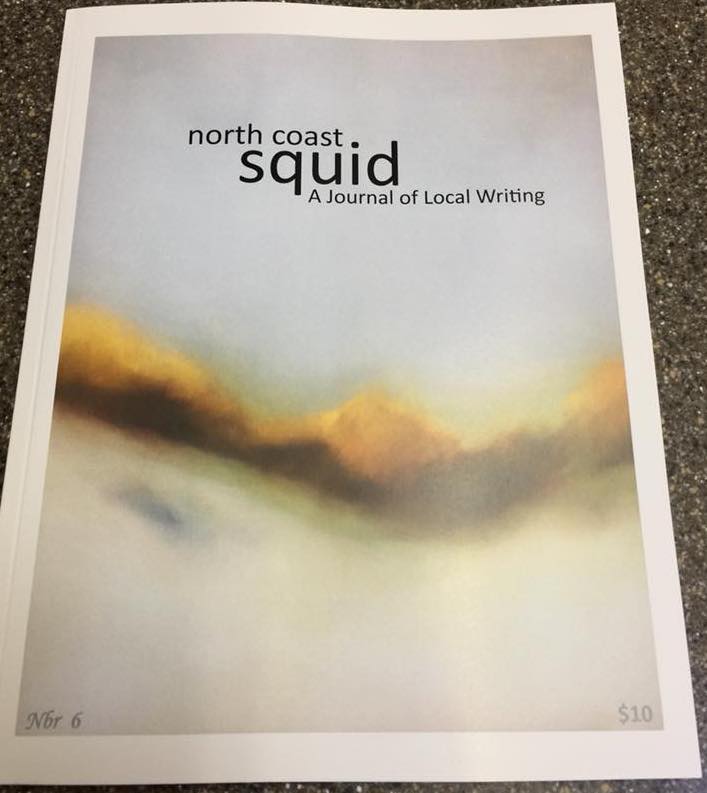
I’m happy to announce that my essay “Ebb and Flow” has been published in Volume 6 of North Coast Squid: A Journal of Local Writing, published by the Hoffman Center for the Arts, Manzanita, Oregon.
You can find a copy of the literary magazine here:
Goodbye, Nye Beach Writers Series. It was good to know you.
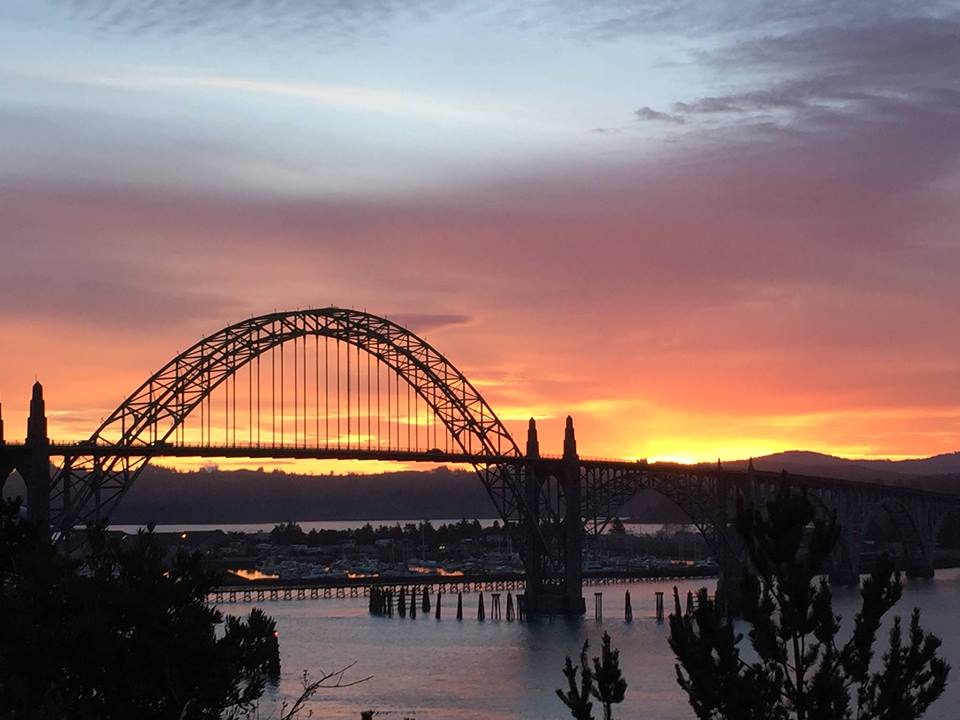
For more than thirty years my vacation destination was the Oregon Coast. Leaving behind stressful jobs and busy schedules, my husband and I drove to the coast, almost every year, usually in late September or early October. We’d rent a vacation home overlooking the ocean and do nothing. Well, not really nothing. He’d golf and I’d either write or read. We’d take long walks on the beach, or just sit back and watch the sun set. We loved the quiet easy-going pace we found here and a chance to unwind and recharge before heading back to the real world in Idaho.
If you know anything about the Oregon Coast, you know there is always something happening here, either in Lincoln City or all the way down the coast to Florence. Even after all those trips, we never had time to do everything we wanted to do. Often we would leave saying next time I’m going to ….
One of the things I always wanted to do was attend one of the writer’s events back when they were still held in Yachats. But I could never fit it into our schedule.
When we moved to Oregon, one of the first things I did was attend a Writers on the Edge event at Nye Beach. It wasn’t long before I joined the board and became more involved in the organization.
A strong writing community is one of the reasons I moved to Newport. After thirty years, I still feel like I’m seeing the ocean for the first time. And every day I spend here, I learn to love Oregon more.
For our final event, Writers on the Edge will host Johnny Bargain on June 18 at 7 p.m. at the Visual Arts Center on Nye Beach. If you’re in the area, please stop by and help us celebrate a wonderful organization. And just in case you are interested, here are some things you may not know about our next author, Johnny Bargain.
11 things you may not know about JOHNNY BARGAIN
1) Why did you become a Writer? How did you get started?
The stories from my past were circling in my head. I’d wanted to write a letter to my friend’s 18-year-old son who had been gunned down in the 1960s by the police as he rode his Harley Sportster in Rosebank, Staten Island. Three bullet holes punctured the boy’s back, for no good reason at all. I wanted Stitch to know he had not been forgotten even though 50 years have gone by. The memories weighed heavily and I couldn’t shake them.
Over time, I mentioned some of the incidents to Carla Perry, publisher at Dancing Moon Press and she suggested that I record them on a tape recorder since I didn’t have the patience, eyesight, or ability to write them out on paper and I don’t have a computer. She said the stories were tragic, appalling, poignant, eye opening, and funny, and that they provided a glimpse into the world of motorcycle clubs and gangs that was unlike anything she’d encountered before.
So I headed down to California for a three-day biker party and by day ten, I’d managed to record several stories. Carla transcribed the recordings when I returned, but she said more stories were needed to flesh out a full book. When I said I couldn’t remember more, she suggested I create a map of my Rosebank neighborhood — the bars, Dapper Dan’s motorcycle shop, the houses where I lived, the police station, the location of the murders, the location of infamous parties, the cemetery where Stitch was buried, and the various motorcycle club headquarters. Each time I drew a building or marked an X on the map, stories flooded out, clear as the day they’d happened. So, I headed south again for another biker party and came home with plenty of material.
2) What is your writing routine? How do you discipline yourself to keep at it?
I clear the space in my head by inhaling sweet weed, think of an incident from my past, turn on the tape recorder, and start talking.
3) How many drafts before you feel the book is finished?
Carla Perry prepared three drafts for me. The first was to make sure the information was correctly transcribed and that I was okay with the short story titles. The second was to put the stories in order and correct name spellings. The third was the final draft. The cover designer, Sarah Gayle, also drew cartoonish maps to illustrate the locations where the stories took place, so those are interspersed throughout the book.
4) What was the best thing that happened with regard to your writing career? The worst?
The best thing was getting the stories out of my head so I don’t have to remember them anymore. I feel a sense of freedom knowing I’ve done what I hoped to do – reconnect with Stitch by writing this book dedicated to him. The worst thing is there are still more stories I’d like to get down on paper. Maybe there will be a volume 2.
5) What part of your job do you love the most? Hate or dislike the most?
I can’t write longhand anymore because my eyesight is not so good and I will never use a computer, so talking into the tape recorder worked great for me. Telling stories from my past is not a job. It’s something I’m compelled to do to make peace with my early life.
6) What was the best advice you received as a writer? The worst?
The best advice was when Carla Perry suggested I draw a map of my neighborhood. That was amazing. Every street corner, every bar and tavern, the cafes, the movie theater, the houses my friends lived in, every building, park, church, and school contained vivid stories from my life in Rosebank, Staten Island. It was like taping into full-color movies of what went on in the 1960s. I could remember conversations, the sounds, the smells. It was all there, hidden away in my memory.
7) Who has influenced you the most in terms of developing your personal writing style?
I just speak it out so my writing style is just the same way I talk. Except it’s a little more cleaned up through the editing process.
8) If you weren’t a writer, what would you be?
I’m a retired building engineer. I’m an artist of three-dimensional representations that hang from the ceilings and walls. I’m already 80 years old. I never planned to become a published author.
9) What quote or personal saying do you live by?
“If I don’t see you real soon, I’ll see you down the road someday.” (lyrics from “Car Outside” © Jimmy LaFave.)
“I’m surprised you’re alive.” – Fred, a member of Johnny’s Yoga class.
10) What’s next up for you, writing-wise?
Maybe more stories. Volume 2 of “A Collection of Bummer Summers.”
11) What would you like us to know about your latest release?
The absolutely true stories of my life are in that book.
Do You Blog?
The first thing an agent, editor, or publisher asks a writer is, “Do you have a blog?”
Blog, you say. What is a blog? Why do I need a blog?
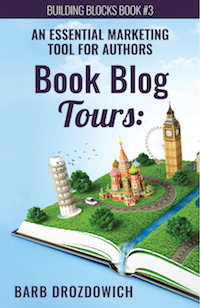
Social Media and WordPress Consultant Barb Drozdowich wants to tell you. She just released her book The Essential Marketing Tool for Authors: Book Blog Tour, a helpful guide in making sense of all the shoulds, woulds, and coulds.
Barb has taught in colleges, universities, and in the banking industry. More recently, she brings her 15+ years of teaching experience and a deep love of books to help authors develop the social media platform needed to succeed in today’s fast evolving publishing world. She owns Bakerview Consulting and manages the popular blog, Sugarbeat’s Books, where she talks about Romance – mostly Regency.
She is the author of six books and over twenty YouTube videos all focused on helping authors and bloggers. Barb lives in the mountains of British Columbia with her family.
I am so happy to have Barb Drozdowich here today. Please ask her lots of questions about blogging, and just in case you already know Barb, here are some things you may not know.
Fifteen things you may not know about Barb Drozdowich
Why did you become a Writer? How did you get started?
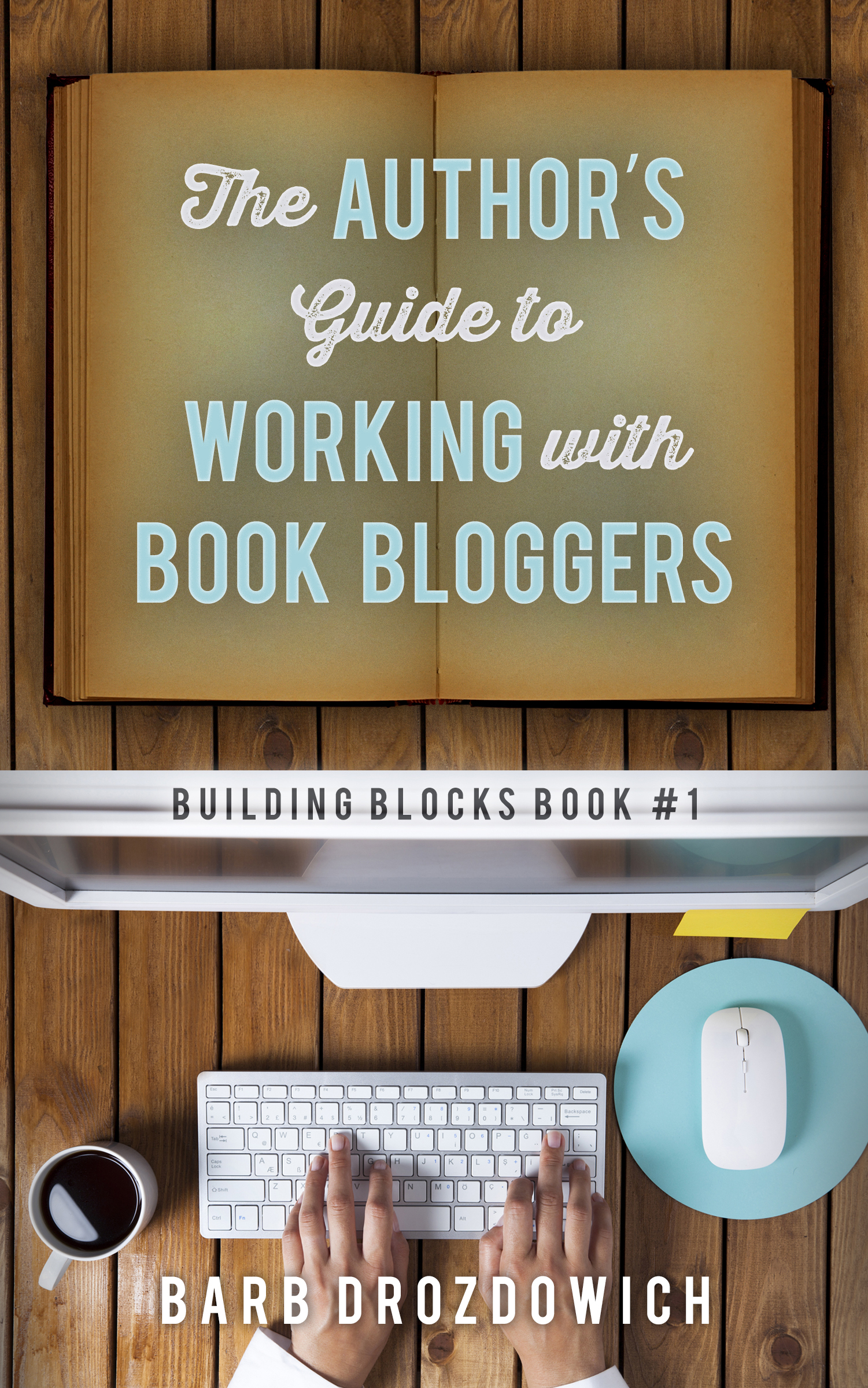
I’ve always been required to write quite a bit in my various jobs. After doing a survey of book bloggers in 2013, I decided I needed to publicize the results – to create a bit of a summary to accompany the results and make it available to anyone who was interested. The best way to do that was by creating something to publish on Amazon. As I created a summary of the results, I decided to make the book so much more. There was and is a lack of understanding of the role book bloggers can play in the promotion of books and I decided to use the book to be a comprehensive guide rather than just survey results. This first book, The Author’s Guide to Working with Book Bloggers started what would become a series of 6 books all aimed at helping authors and bloggers with various technical subjects.
What is your writing routine? How do you discipline yourself to keep at it?
I have a house with young children, so my writing fits into whatever spare time I can find. And sadly, I’m not very disciplined but I respond really well to deadlines. 🙂 I can produce an amazing amount of material just in the nick of time. I think that will be my reality, until the kids are grown.
How many drafts before you feel the book is finished?
I create a rough draft that is hopefully pretty complete in terms of content and fire it off to some wonderful beta readers. I get them to tell me if the content is complete, and whether or not it is understandable. Usually they have some changes that they feel need to be made. Once I make the changes that my beta readers suggest, I fine-tune the language and grammar and I then send the book to my outstanding editor. She typically does two rounds of editing followed by proofreading and we are good to publish.
What was the best thing that happened with regard to your writing career? The worst?
The best thing that has happened to me because of my writing is getting notes from authors thanking me – helping them to understand the subjects I cover. I haven’t had a worst yet. Even the critical reviews that I’ve gotten have been well balanced and constructive – no trolls yet!
What part of your job do you love the most? Hate or dislike the most?
I LOVE working with authors. My background is as a technical trainer and I can easily break down technical subjects and explain them in a way that non-technical people can understand.
I’m a voracious reader and anything I can do to help authors sell more books, write more books, I’m happy to do! Often authors spend writing time trying to figure out the various technical tasks that they need to do as part of their job. If I can help them understand various tasks or help them do things more efficiently, they have more time to write books – it’s a win-win for us both.
What do you like to read? Do you read while working on a book? Favorite authors?
I always have a book or two on the go. My genre of preference is Historical Romance and I have many favorite authors! I read a lot of technical information to help me stay on top of my regular work so the escapism of romance helps me shut my brain down at the end of a busy day.
What was the best advice you received as a writer? The worst?
The best advice is to keep writing. I haven’t really gotten any bad advice. I’m often the one that is explaining why advice is bad that authors get from other sources. 🙂
Who has influenced you the most in terms of developing your personal writing style?
My biggest influence is my mom, hands down. She’s now a retired English teacher with a wicked red pen – literally – she’s old school with pen and paper and is militant about proper grammar and sentence structure. She was the first person who saw a lot of my writing and there was a sea of red ink at the beginning. I’m learning. 🙂 Now she has to hunt to find something for her red pen.
Do you have a good luck charm or superstition?
No. I’m not really a superstitious person.
If you weren’t a writer, what would you be?
I think I would still be a technical trainer and a voracious reader!
What quote or personal saying do you live by?
I really like two sayings: “Do onto others as you would have them do unto you” and “It is what it is…”
What’s next up for you, writing-wise?
I currently have a box set (combination of the Book Blog Tour book and my Author Platform book) in proofreading and my Book Blogger Platform book is in formatting and should be available any day now. I have a re-write of my Goodreads for Authors book in the hands of some beta readers and I am currently polishing my new book “Blogging for Authors,” in preparation of submitting it to my editor. There should be quite a bit published in the first half of this year.
If you could do anything over again, would you and what would it be?
I don’t think I would do anything over again. I feel that things happen for a reason and whether it is a good experience or a bad experience, I have learned from everything. The sum of my experiences has made me the person I am today.
What advice would you give beginning writers?
Everyone else will tell them to keep writing – which is very true. From my point of view, I would encourage them to create a platform – create a community of friends and supporters that will help with the marketing side of writing a book!
Something we don’t know about you?
My favorite job of all time was working at Toronto’s Metro Zoo driving the trains.
And: What would you like us to know about your latest release?
My latest release is me explaining Book Blog Tours from the point of view of an author as well as the point of view of a book blogger. There is a lot of misunderstanding out there about Tours, and I have written this book to cover all aspects of tours and clear up all the misconceptions. This is a second edition book. In this edition, I have added quite a bit on DIY tours as many authors prefer to set up their own tours.
to learn more about Barb go to :
Author Website: http://barbdrozdowich.com
Business Blog: http://bakerviewconsulting.com
Facebook Author Page: https://www.facebook.com/BarbDrozdowichAuthor
Twitter: http://twitter.com/sugarbeatbc
Google+: https://plus.google.com/110824499539694941768/posts
Pinterest: https://www.pinterest.com/sugarbeatsbooks/
Goodreads: https://www.goodreads.com/author/show/7234554.Barb_Drozdowich
YouTube Channel: https://www.youtube.com/channel/UCSgVt36XlVAHWj5dkSd0Zyw
Tech Hints Newsletter: http://eepurl.com/DfCRj
Amazon Author Page: http://www.amazon.com/Barb-Drozdowich/e/B00EN3CIDM/ref=sr_ntt_srch_lnk_2?qid=1437240887&sr=1-2
Barb, thanks for joining us today, and thanks for all you to do help writers!
Meet Arleen Williams, author of The Alki Trilogy
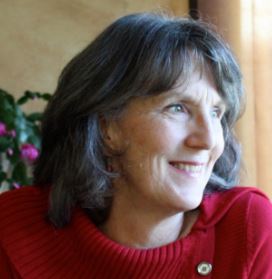
I’m delighted to have as a guest today Arleen Williams from Seattle, Washington. Her book, Biking Uphill was released this fall by Booktrope. Please say hello to Arleen.
Fall quarter starts with a bang and I am reminded once again why I write. Or more specifically, why I am writing The Alki Trilogy.
When I’m not writing, I’m an English as Second Language instructor at South Seattle College, a large urban school which is among the most diverse colleges in the country. The average student age is 31.5, 54% are first generation, 41% do not speak English as their first language and there are 35 languages spoken on campus on any given day. (2012 statistics http://www.southseattle.edu/campus-information/student-statistics.aspx)
This is my twenty-eighth year working with refugees and immigrants at this college. I’ve been teaching ESL for almost forty. When I introduce myself, when I tell my students these numbers, they inevitably ask me why. My response is always the same: I love to teach because I learn as much as they do. These are not empty words. The classroom has given me a world-view that does not stem from news stories but from the people who have lived the experiences that fill our headlines.
The Alki Trilogy began with a story about suicide, a topic I wanted to understand more completely. The character of Gemila Kemmal appeared to me unbidden but understandable: I work with African immigrants eager to gain the language skills necessary to enter our college nursing program. I did not plan to write three novels about the immigrant experience in the U.S. In fact, I didn’t plan to write a trilogy at all. But there we go. I fell in love with Gemila in Running Secrets. When I began Biking Uphill, a novel loosely based on a teenager I met years before when I was a lonely college student, I decided to hold tight to Gemila and Carolyn. Now, I’m working on Walking Home, the final novel in the trilogy, where the reader will meet new characters and revisit those who came before.
So I suppose the old adage, write what you know, guides my work just as it shapes the person I am. As I enter the classroom and greet the students before me, I wonder about the experiences they’ve lived, the things they’ve seen, the sacrifices they’ve made to come to class each morning hoping to glean the skills they need to build a new home in America. It is humbling. It is an honor. It scares the crap out of me … even after a lifetime of the same.
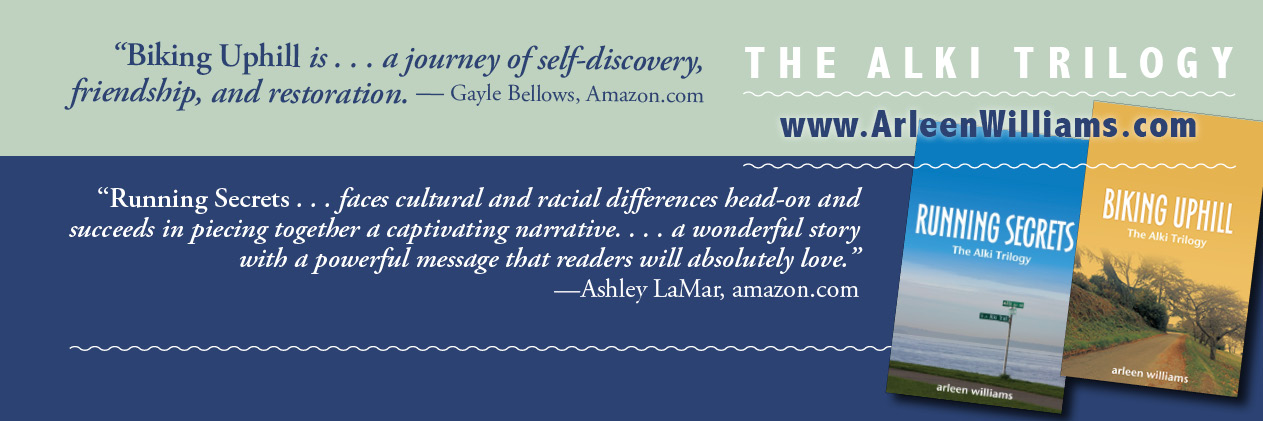
Arleen Williams is the author of three books. Running Secrets (Booktrope, 2013), the first novel in The Alki Trilogy, is about the power of friendship in helping overcome the dysfunction of family and life. Biking Uphill (Booktrope, 2014), book two of The Alki Trilogy, invites the reader into a world of undocumented immigration, where parents are deported, and a young girl is abandoned to face life on her own. The Thirty-Ninth Victim (Blue Feather Books, 2008) is a memoir of her family’s journey before and after her sister’s murder.
Arleen teaches English as a Second Language at South Seattle College and has worked with immigrants and refugees for close to three decades. Arleen lives and writes in West Seattle. To learn more, please visit http://www.arleenwilliams.com.
Books Worth Reading. Or Not: Running with Scissors on The Long Journey Home.
Because I watched the movie, I read the book. Because I read the book, I read his mother’s book. Then I wished I hadn’t, and here’s why.
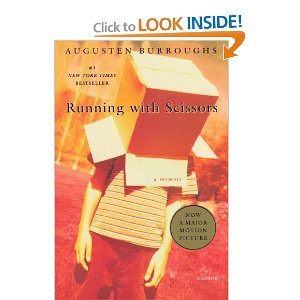
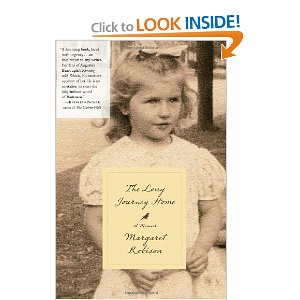
Running with Scissors by Augusten Burroughs and The Long Journey Home by Margaret Robison are billed as memoirs. The subject matter is dicey: gays, lesbians, adultery, alcoholism, and mental illness. Something most of us don’t encounter on a daily basis like this family did. Stuff great stories are made of, right?
One night when there was nothing else to watch on TV I flipped to the movie Running with Scissors. Annette Bening, Joseph Fiennes, Alec Baldwin, Gwyneth Paltrow, 116 minutes of comedy and drama. What’s not to like? The all-star cast held my attention. The movie was interesting, but it was a movie, right? I wanted to read the book to see how much of the story was actually true.
So I read the book, and when I finished Running with Scissors, I wanted to know more about this mother Margaret Robinson, a poet, teacher and writer I’d never heard of. With a college degree, someone who can probably put words on paper better than I can.
So I read The Long Journey Home, and wished I hadn’t. There is no doubt that there is a lot of talent in this family. All of them write well. Best sellers. But having watched the movie and read both books, I’m still no closer to the truth. Who is lying? Who is exaggerating? Does it even matter?
In most cases no. But in my case, it did. I am a mother. I have a son. I wanted to know why a mother would publicly call her son a liar. Why a son would change his name. I hoped to find the answers in the pages of the books, but when I was finished, I was depressed. Really, really depressed. So depressed I was in a bad mood for days. A mother tries to tell her side of the story, but can’t remember the details. An alcoholic husband and father shouldering most of the blame, is dead. His story remains untold. And the son and his brother are brilliant writers. Amen.
This brings me to why we read in the first place. Some read to escape, others for adventure. I read to understand human nature, and when I finished The Long Journey Home, I felt cheated. I was no closer to understanding the human nature of this family than I was knowing why my dog Emily growls at my husband all the while eating from his hand.
And maybe that’s okay. Maybe I don’t need to understand. But I did learn something. There are better ways to spend my time, better books to read.
Blending Fiction and Nonficiton
I have been a Pam Houston fan ever since I read Cowboys are My Weakness. Her stories resonate so true, it’s hard to know what is real or invented. In her essay on craft–“Corn Maze”–Pam explains her writing process.
By the way, Pam’s new book Contents May Have Shifted, will be published by W.W. Norton on February 6, 2012.
The End
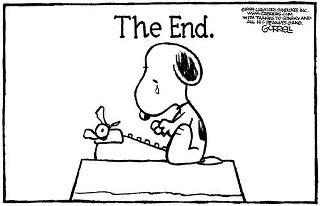
I’ve just finished writing the ending paragraph to my latest novel. My head is numb; my butt is numb and for a moment I’m elated. It feels SO GOOD to reach the end of this journey. I call a friend to celebrate because she knows how exhilarating it is to write The End. But the minute I hang up the phone my emotions plunge back to reality. This is just the first draft. The nuts and blots of the story are in place. Maybe. Now comes the arduous task of editing and revising.
Some of my writer friends can whip out a book in six months, some even three. But this book has been percolating for several years. I have a file folder three inches thick of scenes I’ve deleted, or research I want to include, or should I say wanted to include as the story morphed to an end. My characters names have changed; I’ve honed their actions and reactions. I know them better than I know my siblings. But still, this book really isn’t finished.
Thus is the task of a writer. Formulating an idea strong enough to carry a book, writing more than 100,000 words. Writing, rewriting and rewriting. I’m not complaining. I love my job. I am so grateful to have friends and family who support my writing and me. I can’t think of a better way to end this year by typing THE END, knowing 2012 is just around the corner, and that this is really just the beginning. Thank you all so much for your support. You have no idea how much you mean to me as I hole away to write my stories.
May Santa bring you everything you want, especially a prosperous New Year.
So, What Have You Published?
Tell people you’re a writer, and the first thing they ask is, “What have you published?” There are lots of ways to answer this question, but I really like award-winning author and blogger John Shore’s observations on the book publishing industry. Check out his recent Huffington Post blog, “Why You Want a Big Book Publisher to Reject Your Book.” Being a writer is not the same as being published and here are some of the reasons why.
2010 Idaho Writer’s League Writer of the Year Award
Success is counted sweetest
By those who ne’er succeed.
To comprehend a nectar
Requires sorest need.
–Emily Dickinson
Talk to any writer and they will tell you that their writing efforts often go unnoticed. For every book/article that is sold, there are a dozen more waiting to be discovered. Writers understand this. They know the road to publication, recognition, and fame is long and painful. That’s why you’ll often hear writers joke about sticking their head in an oven or opening a vein.
I read somewhere that a writer must write over a million words before they have mastered the craft well enough to be considered a serious writer. Contrary to what some believe, writers don’t just sit down at a keyboard and the words pour out in logical sentences. A writer-friend’s impatient husband often asks her when she is in her office hunched over her keyboard pondering just the right word, “What are you doing in there?”
Most of the time what “we are doing in there” is trying to make sense of the words, voices, and stories that pop randomly into our head. I once labored thirty-six hours over a scene, only to delete it with one keystroke the next week. Because, when it doesn’t work, it doesn’t work, and no amount of superfluous words will make it better.
But sometimes it does work. And when it does, it makes up for all those long, lonely, and frustrating hours at the keyboard.
That’s why, when I received the 2010 Writer of the Year award from the Idaho Writer’s League, I felt a tinge of satisfaction. Of all the Idaho Writer’s League members in Idaho, my work stood out.
I may not be a best-selling author like John Grisham or Nora Roberts. But I am a writer. And now I have an award to hang on my wall to prove it.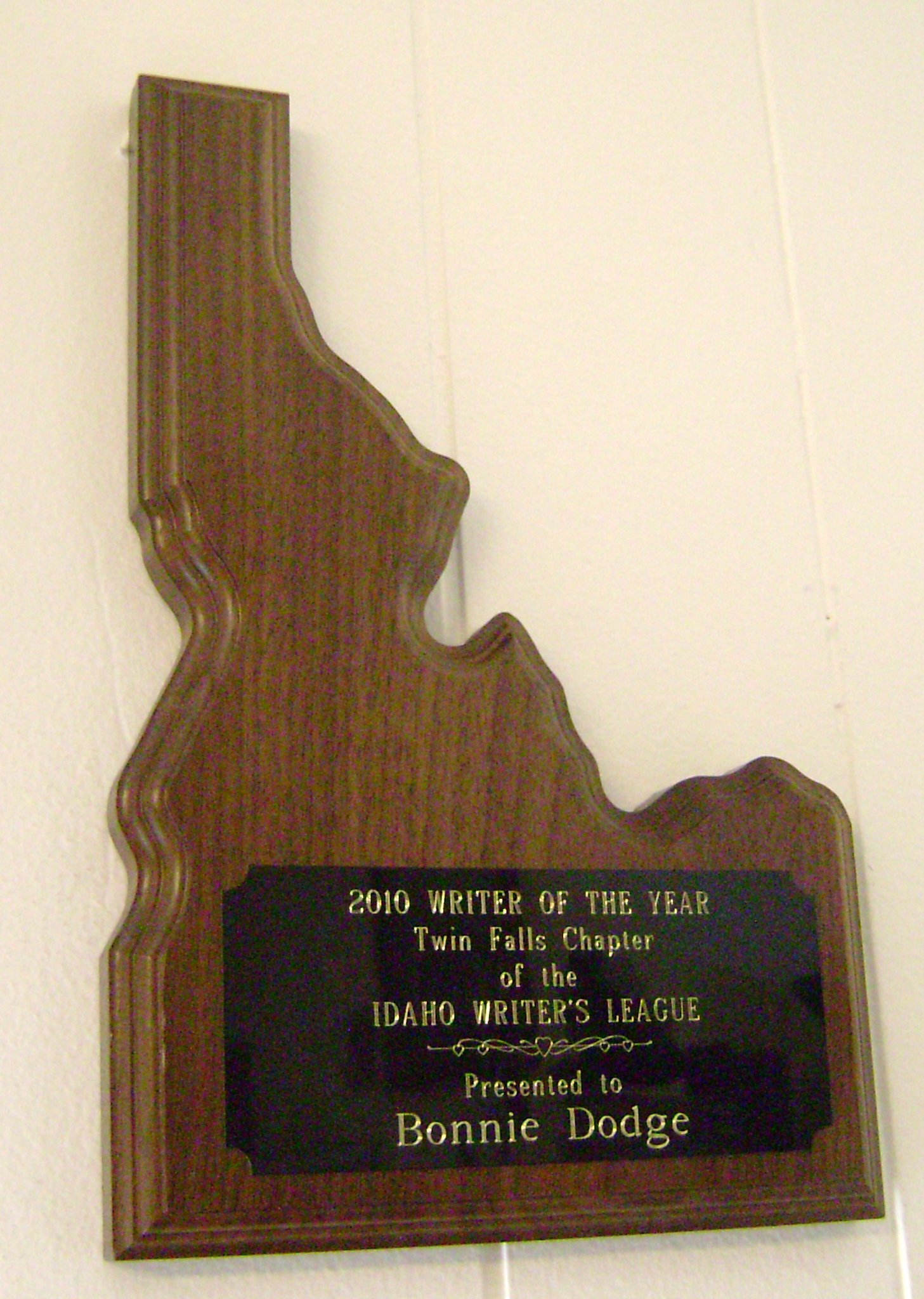
Balancing life
Those who know me know that I don’t write in July and August. Because, for me, writing requires that I set myself apart, enter a dreamlike world that creates a positive place where words and ideas flow. This is a selfish place and doesn’t accommodate “What’s for dinner?” or “Where are my shoes?” Some writers can write even when distracted, and I envy them, but when I sit down to write, I lose track of time. I forget to eat. I don’t like interruptions. And in July and August when my grandsons visit, I want to bake cookies, go swimming, and play.
This leads me to the topic of this post, balancing life and setting priorities. Today I’m sitting in my son’s living room in Hillsboro, Oregon, hanging with my grandsons while my son and daughter-in-law spend some much needed time alone. In a couple of days I will be back home, and back at my keyboard. As I check email and plan my September schedule, I am overwhelmed. One friend has uploaded a book to Smashwords, and is already selling copies. Another has sent a manuscript to her list of dream agents. Another is blogging about her latest release. Another is designing a trailer for her new book. When I look at everything my peers are doing, I feel inadequate, like a slack, because the only writing I have done in two months is write a blog.
If it sounds like I’m whining, I want you to know that I’m not. I’m just stating the facts. July and August belong to my family, and I have learned to schedule my writing time accordingly. Along with this, I’ve learned to use my time wisely, to be present in the moment so I don’t look back and say, “I wish I had . . ..”
Laurie Halse Anderson, the successful author of Speak, Prom, and Wintergirls touches on this topic in her own blog today. Laurie’s blog is thought-provoking not only for writers, but for everyone. Basically, it boils down to deciding what’s important, and then making time for it.
If you struggle with finding time to do something you love, hop over to Laurie’s blog (http://tinyurl.com/36eqzvk) for some wonderful suggestions to make that happen.
Bronte Sisters Rock
I was probably ten years old when I first read Jane Eyre. I followed that quickly with Wuthering Heights, and even wrote a paper on the light and dark elements in Wuthering Heights when I was in college. These books remain my all time favorites, my go to books when I want to be transported. I still read them today, even though they were written over 150 years ago. I could go on and on about these wonderful classics, but I won’t. Instead, I’d like to share a video link my friend, Robin Lee Hatcher, posted on Facebook today. She did not make the video, she was just passing it on because it’s too good not to share. I hope you enjoy it as much as I did. Check it out: http://www.youtube.com/watch?v=-NKXNThJ610
Finding Your Voice Workshop this weekend
The Other Bunch is putting the finishing touches to our Finding Your Voice workshop that will be held April 17 in Twin Falls, Idaho. We are excited to have bestselling author Joanne Pence as our guest speaker. Her books have been USA Today and Independent Mystery Bookstore Association bestsellers. Author of more than thirteen books, Joanne will lead a workshop on how to find your own unique voice.
Other workshops will include Tools to Fire up your Creativity, Memoirs: Who has to Right to Write One which includes family histories, Creating Sparks and Banning Doubts, and The Writer’s Life.
If you’ve ever had the desire to write, this workshop is for you. You can find out more about the workshop here.
Ten Rules for Writing
It’s cold in Idaho. I’m in my office wrapped in a blanket, trying to type with gloves on. Yes, my furnace works. Yes, I have heat. But the cold has crawled through the windows into my bones, and short of soaking in the hot tub all day, I can’t get warm. Instead of sitting at my desk, I want to snuggle on the sofa with a cup of hot tea and a good book. But I’m a writer, so rather than give in to my whims, I’m here struggling to make sense out of words.
It may look easy, but writing is hard work. On gray days like this it’s tough to stay motivated, and it isn’t surprising that right now circulating on many writer’s loops is this article “Ten Rules for Writing”. It’s probably circulating now because February is so dismal. Just yesterday a friend said the only good thing about February is that it connects January and March. But I digress. Combine dismal and hard work and it’s easy to see why so many people go south for the winter. Or so many writers stop working.
For me, this article hit the loops at just the right time. Writing is solitary work. Often there is no feedback, nothing to judge if all the time spent at the computer is fruitful. Many times I find myself wondering if I have picked the right profession; if maybe I shouldn’t be doing something else.
Therefore, it’s encouraging to know that even successful writers struggle with self-doubt, and the advice given in “Ten Rules for Writing” is uplifting on this dreary day. I particularly like Margaret Atwood’s comment, “You most likely need a thesaurus, a rudimentary grammar book, and a grip on reality. This latter means: there’s no free lunch. Writing is work. It’s also gambling. You don’t get a pension plan. Other people can help you a bit, but essentially you’re on your own. Nobody is making you do this: you chose it, so don’t whine.”
I love Idaho. I choose to live here. I love writing, even on dark gloomy days. So maybe it’s time to quit whining, and get back to work.
(you can read the second part of the article here)
Reading at The Cabin in Boise
Dixie, Pat and I had a great time reading and answering questions at “Random Readings” last week in Boise at The Cabin. The room was full and there were so many questions and great discussions we ran over our allotted time by half an hour. As things get increasingly tough for writers (downsizing, magazines and papers folding) it’s nice to gather with other writers to discuss alternative opportunities. If you live in Idaho and haven’t already joined the Idaho Writers Guild, give it some thought. This is a professional group of writers helping other writers so we can all do what we love. For those of you who stopped by to say hello, or bought our book, thanks so much for your support.
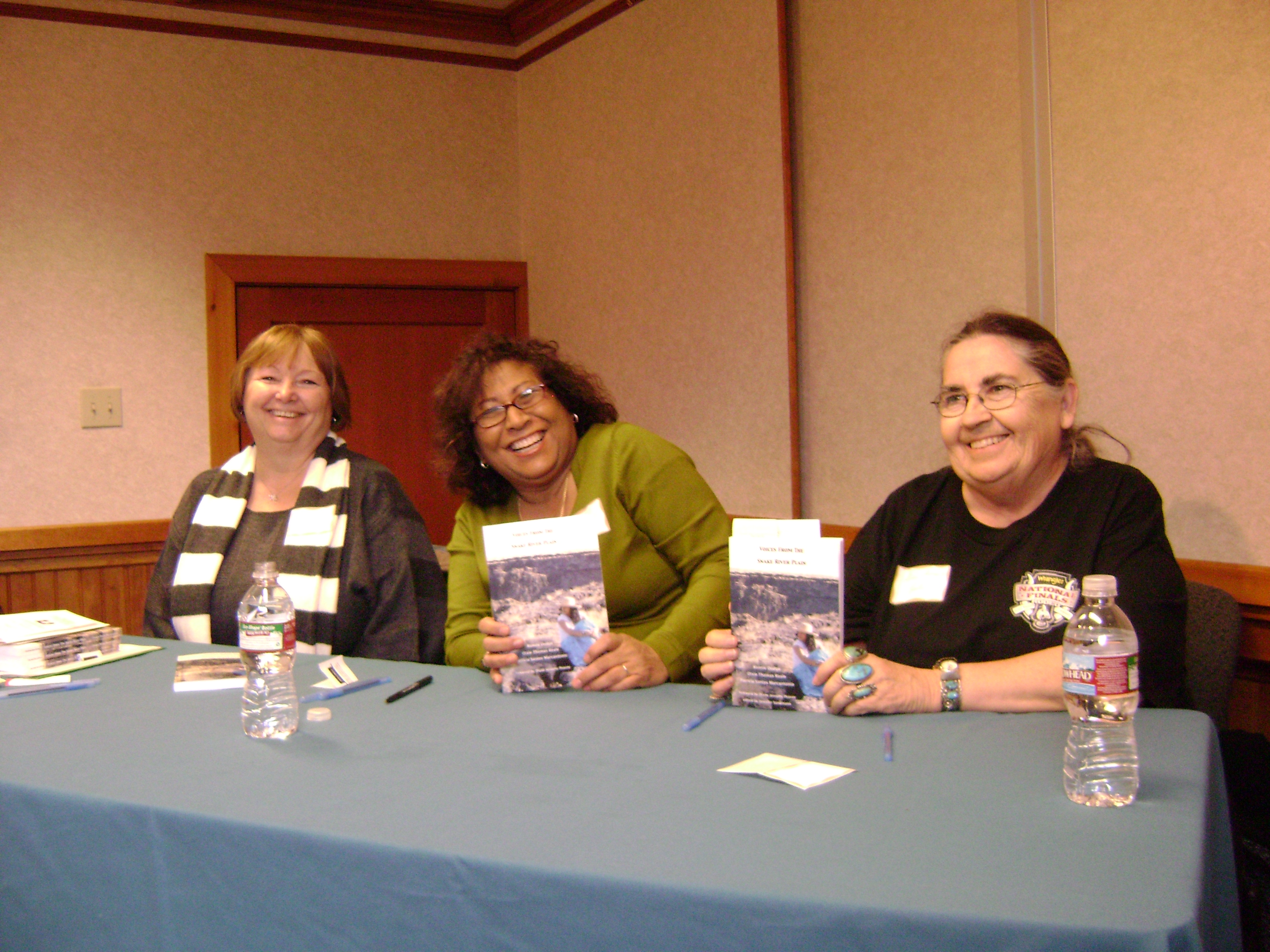
Me, Pat and Dixie at “Random Readings” in Boise.
Random Readings
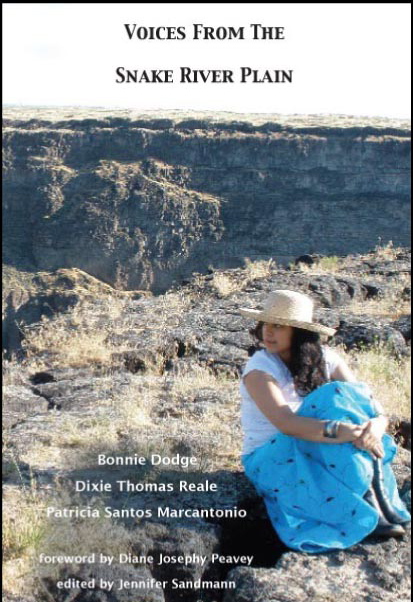
I’m starting the new year out right. On January 30, I’ll be reading from “Voices from the Snake River Plain” in Boise at The Cabin. I’m excited to be part of the Idaho Writer’s Guild and participate in their first event for 2010. If you are in the Boise area on January 30, stop by The Cabin between 1 – 3 and join us while we talk about books, writing, and publishing. Hope to see you there!
Here is the Idaho Writer’s Guild news release.
The publishing world is changing daily, it seems, and there’s a lot of interest in the area of non-traditional forms of publishing. As “Writers Working for Writers,” the Idaho Writer’s Guild is proudly launching a new series called “Random Readings” on Saturday, January 30th from 1-3 pm at The Cabin, in Boise. Featured writers will share their experiences, from writing to publishing.
Here’s what you can look forward to: authors will read from their books, with commentary. Afterwards, there will be time for asking questions and sharing thoughts about the nuts and bolts of a variety of publishing processes. Not-to-be-missed refreshments will be served.
Southern Idaho residents Bonnie Dodge, Dixie Thomas Reale and Patricia Santos Marcantonio wrote and published “Voices from the Snake River Plain.” A collection of short stories, poems and essays, the book has been described as “a small treasure….we learn there is beauty in the landscape around us and people with stories to tell.” Some of the tales by these award-winning writers include a jackalope, an old Mexican ghost story, haunting landscapes and a road trip with Louis L’Amour and Zane Grey.
Val Robertson was the former president of The Couer du Bois Chapter of Romance Writers of America, and the founding and current president of the Popular Fiction Association of Idaho, which produces the Murder in the Grove mystery conference. She is also the organizer of the Boise Speculative Fiction writer’s support group. Her debut novel is entitled “Blade’s Edge.”
Also from Boise, Ken McConnell is both traditionally published and self-published. A Software Test Technician, Ken wrote and published “Starstrikers” in 2008. His first novel is “a military space novel that takes place between two galactic civilizations.” He also wrote “Null Pointer,” a mystery novel about a programmer sleuth.
“Random Readings” will take place in the Jean Wilson Reading Room, on the basement level at The Cabin, 801 S. Capitol Blvd, Boise. Admission is free. For further information contact Diane Graham at diane@idahowritersguild.org.
The Road out of Hell
The Road out of Hell is not a book I would have normally picked to read. It is the story of Sanford Clark and the Wineville Murders that took place in California in the late 1920s. It is a hard book to read, and I read it reluctantly because it was the January selection for my local book club. To make matters worse, I was host for the January meeting, so I knew if I was going to contribute anything worthwhile to the discussion, I would have to read the book.
After a couple of failed starts, I dug in and did the work. I’m glad I did because the publisher of the book had arranged a Skype meeting between my book club and the author. For almost an hour we were able to ask Anthony Flacco questions about the story and the story process. It was like having Mr. Flacco in my living room talking about books and writing, and it was so much fun.
Being the mother of a son, it would have been easy for me to say, “I’m not going to read this book.” But something positive came out of the process. I hope more publishers and authors take advantage of connecting with readers through Skype or other cyberspace technology. It was truly one of the best book discussions we have had, and we’ve read a lot of books.
Starting Over
With the new year, I’ve been thinking a lot about starting over. Starting over is hard to do because it feels too much like failure. As a writer, I expect myself to be so brilliant I get the book right the very first draft. How silly is that? I know writing books is more about rewriting, honing, tightening, and bringing clarity and unity to the work. I know that few published books (if any) make it through without a lot of hard work and editing. But the truth is I am lazy.
I have a book I have been working on much too long. I even put it away for a couple of years because it felt dead-ended. But I love the concept and the characters, and the story keeps taunting, “Do the work. Do the work.” Because, you see, the easy part is done. I have my characters, I have my location. I have a high concept. But what I don’t have is a convincing story. I haven’t learned how to connect the dots so this story sings.
When I shopped this book a few years ago, I received many favorable comments, but the book just wasn’t ready. An agent that I respect said I could write well, but I didn’t know what my story was.
Maybe she was right. Or maybe I just didn’t do a good enough job of telling my story. So today I begin the long journey of beginning again. I’ll dig out the old character sketches, and create new ones. I’ll rethink goals and motivation. Today I’ll bite the bitter bullet, and with any luck and a lot of hard work, I will finally get it right.

