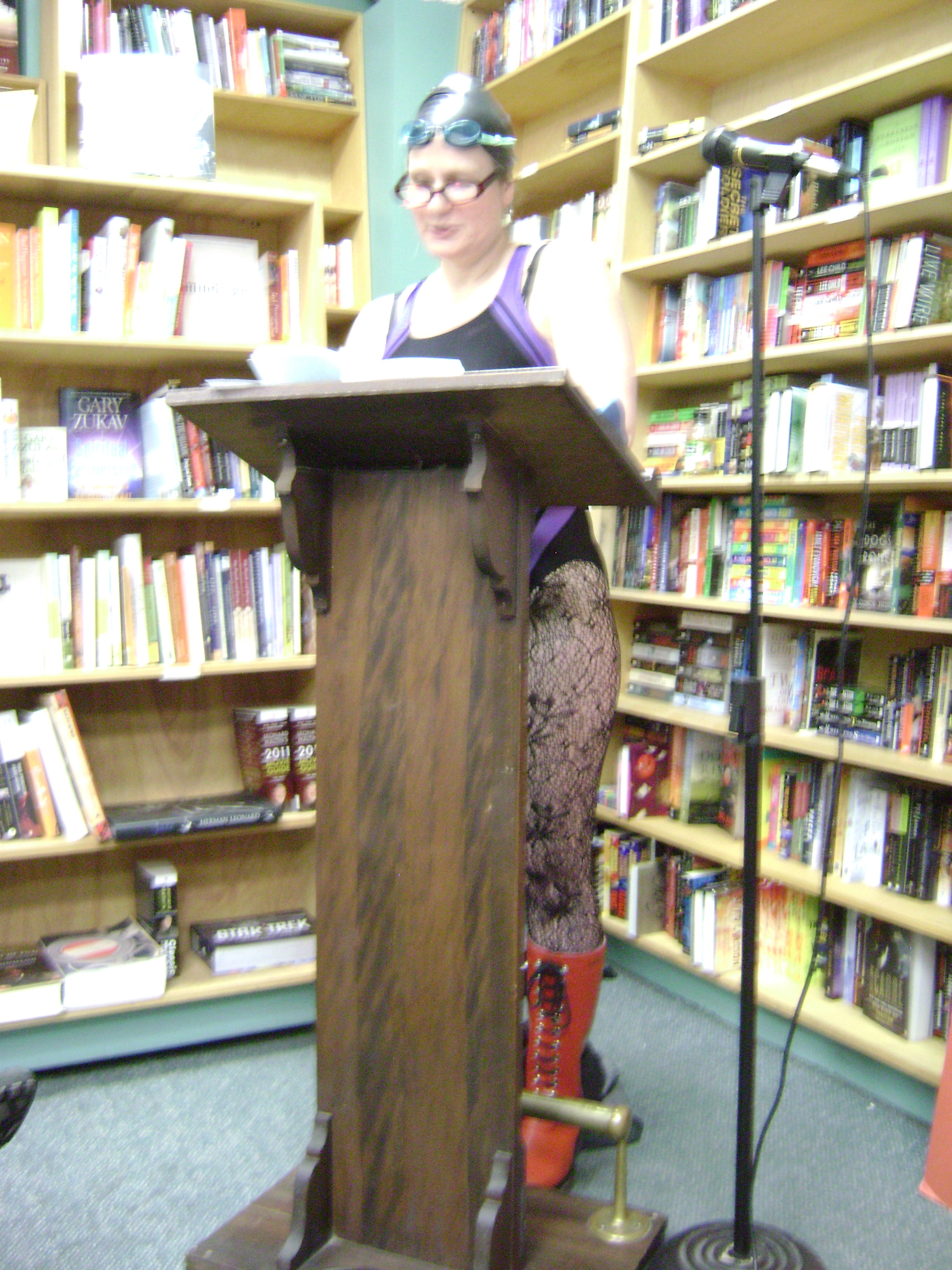
Lidia Yuknavitch
15 Things You May Not Know About Paula Marie Coomer
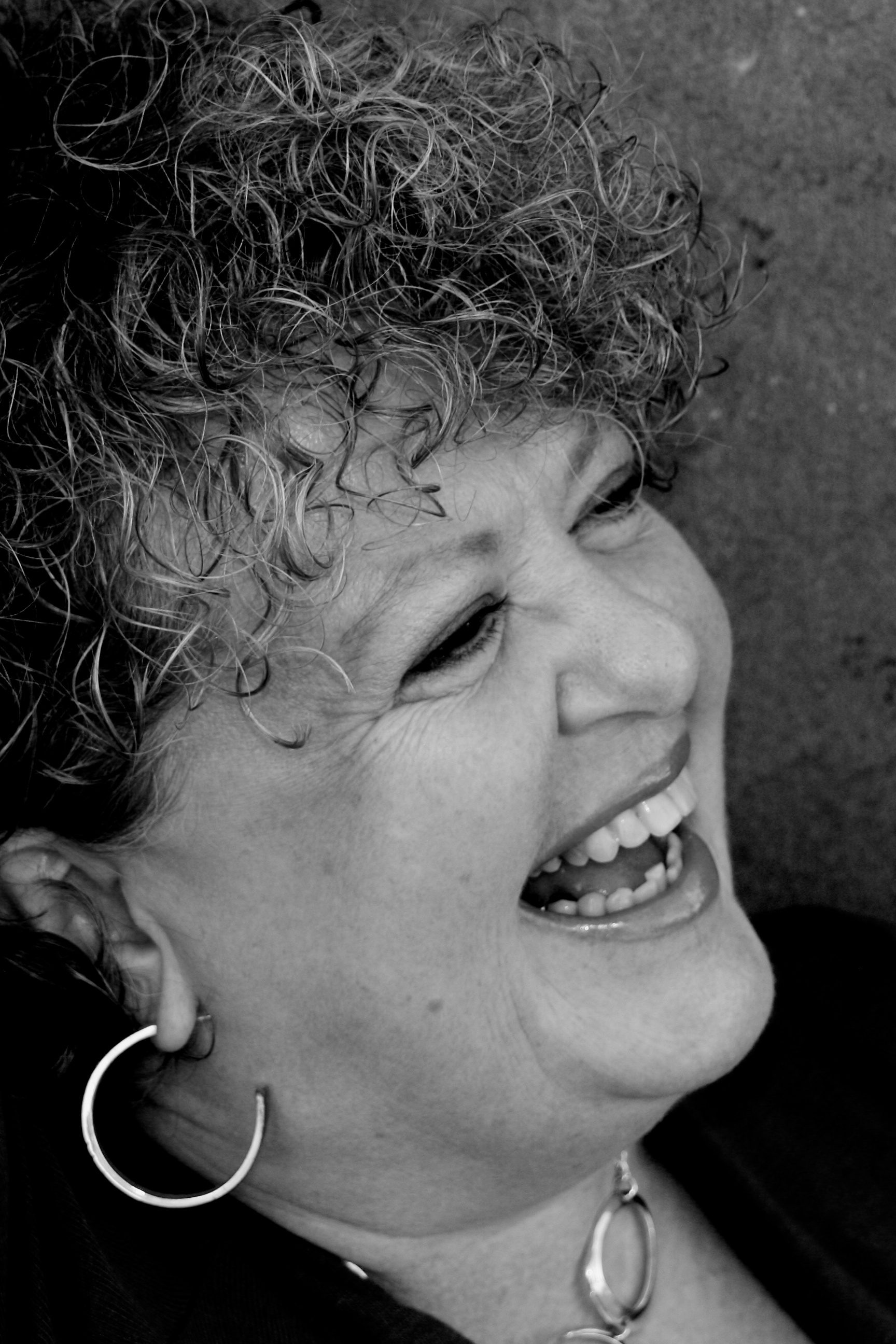
Paula Marie Coomer began life in Louisville, Kentucky, and lived most of her childhood in the industrial Ohio River town of New Albany, Indiana. The daughter of over 200 years of south-central Kentuckians, she is a predictable mix of Cherokee, African, Scot, and a dash of English Puritan. Her fiction, poetry, and non-fiction have appeared in many journals, anthologies, and publications, including Spilt Infinitive, Perceptions, Gargoyle, and Knock, to name only a few.
Coomer has been nominated twice for the Pushcart Prize, was writer-in-residence for Fishtrap, Oregon’s much-loved advocacy program for literature in the West, and has been a visiting scholar for the Idaho Commission for Libraries since 2002. She is a former long-time instructor of English for Washington State University, and was commissioned as an officer of the U.S Public Health Service, achieving the rank of lieutenant commander before she resigned her commission in 1995, ostensibly to be a writer.
I’ve known Paula for several years and am excited to host her here today. She’s a great friend, an awesome teacher, and is always eager to talk about writing. Here are fifteen things you may not know about Paula Marie Coomer.
1) Why did you become a Writer? How did you get started?
My first memories have to do with my awareness of myself as an observer. I wrote my first book at the age of four. No one else could understand what I had written, but I could. I even sewed a sort of binding with needle and thread—which I got in trouble for.
2) What is your writing routine? How do you discipline yourself to keep at it?
- If I’m doing research or composing a new draft, I’m usually in an isolated situation. Usually I go to the Inn in the Idaho mountains where I am in writer-in-residence (which is how I got to BE writer-in-residence). I hole myself up for as long as I can—usually at least 4 days. I’m fully focused. I do nothing besides eating (and very sparsely, at that) or getting up and moving occasionally.
- If I’m revising, I usually work in my studio at home half a day, beginning almost as soon as I get up. Then half a day on the other things I have to do—the paying job, author gigs, etc. At times during this phase I hire a housekeeper and an assistant to free up my time for the writing hours.
- If I’m doing edits, I spend mornings at a local coffee shop working. For some reason at the level of line edits, it helps to have background noise.
3) How many drafts before you feel the book is finished?
That varies completely. My novel Dove Creek took 15 drafts. The 16th draft sold. Blue Moon Vegetarian took 3 drafts. Jagged Edge of the Sky took four. Single poems can take 10-20 drafts. Short stories can take a dozen drafts. I tend to write in layers, rather obviously.
4) What was the best thing that happened with regard to your writing career? The worst?
It broke my heart a little bit when I realized I was never going to be a New York writer, living in Greenwich Village, part of the U.S. “g-literati.” But that turned out to be the best possible thing, because I have a great independent publishing house at my back. They give me infinite freedom as an artist, and they like me enough to give me a job that allows me the time I need to keep writing. I have a decent following, and people love what I write. I’m so busy I can’t even imagine being any busier in my writing career. I really couldn’t ask for anything better.
5) What part of your job do you love the most? Hate or dislike the most?
I love the serendipity. The way, when I’m working on a story or a book, the pieces just come to me, show up in my life in the most random of ways. What I dislike the most is the effect it’s had on my body. Luckily now I have a standing desk, so I rotate between sitting and standing, but writing is really, really hard on the body. We were not designed to sit for long periods of time.
6) What do you like to read? Do you read while working on a novel? Favorite authors?
I mostly read according to whatever I’m researching for the next book. Right now my stack of reading material looks like the course requirements for an herbalism class or a course on mountaineering. I’m preparing to write a follow-up for the Blue Moon food book series focused on the healing nature of plants. This is also research for my next novel, which features a mountain woman who is a healer. Otherwise, I have a few living favorites—Lidia Yuknavitch and Lance Olsen are my literary heroes. I also do presentations at regional libraries so often I have a novel I’m reading for that. Otherwise, I try to read a few poetry books now and again. I don’t read any mainstream books or authors. Most of the books I read are written by women. I prefer the voices of women writers.
7) What was the best advice you received as a writer? The worst?
- Best: Don’t give up. If you keep writing, someone will publish you.
- Worst: Teaching gives you control of your time. It will give you time to write. The truth is that teaching sucks your life force and your creativity and gives you very little in return; however, to donate yourself to the world in this way is very noble and to some extent a necessary part of mastering your craft.
8) Who has influenced you the most in terms of developing your personal writing style?
Lance Olsen, Ray Federmann, Lidia Yuknavitch.
9) Do you have a good luck charm or superstition?
I have lots. First, I have feathers and rocks everywhere. A feather in your path is a blessing. The always present themselves to me at difficult times. Rocks possess certain energies. If I’m drawn to the energy of a certain rock, I always pick it up. I have certain types of gems and semi-precious stones that are meant to absorb bad energy. Occasionally I soak them in water and sea salt to cleanse them. I regularly smudge the house with sweetgrass, sage, or cedar.
10) If you weren’t a writer, what would you be?
A visual artist.
11) What quote or personal saying do you live by?
From the I-Ching: Perseverance furthers.
12) What’s next up for you, writing-wise?
I have a new novel finished. It’s very, very experimental, and I have no idea if anyone will want to publish it. I have a collection of essays and one of short stories that both need final revision. Then I have the 2 final books in the Blue Moon series, Blue Moon Medicine Woman and Blue Moon Folkways in the Kitchen. What is that 5? Five books in process, a book of poems I’m slowly working on, and research for the next novel.
13) If you could do anything over again, would you and what would it be?
I don’t really know. I don’t have much in the way of regrets.
14) What advice would you give beginning writers?
Let writing change your life.
15) Something we don’t know about you?
I spent two summers of my life picking fruit in California and Oregon, living out of the back of a pickup. It was the most horrible work but the people I worked with made it worthwhile. Stories I still haven’t told.
And: What would you like us to know about your latest release?
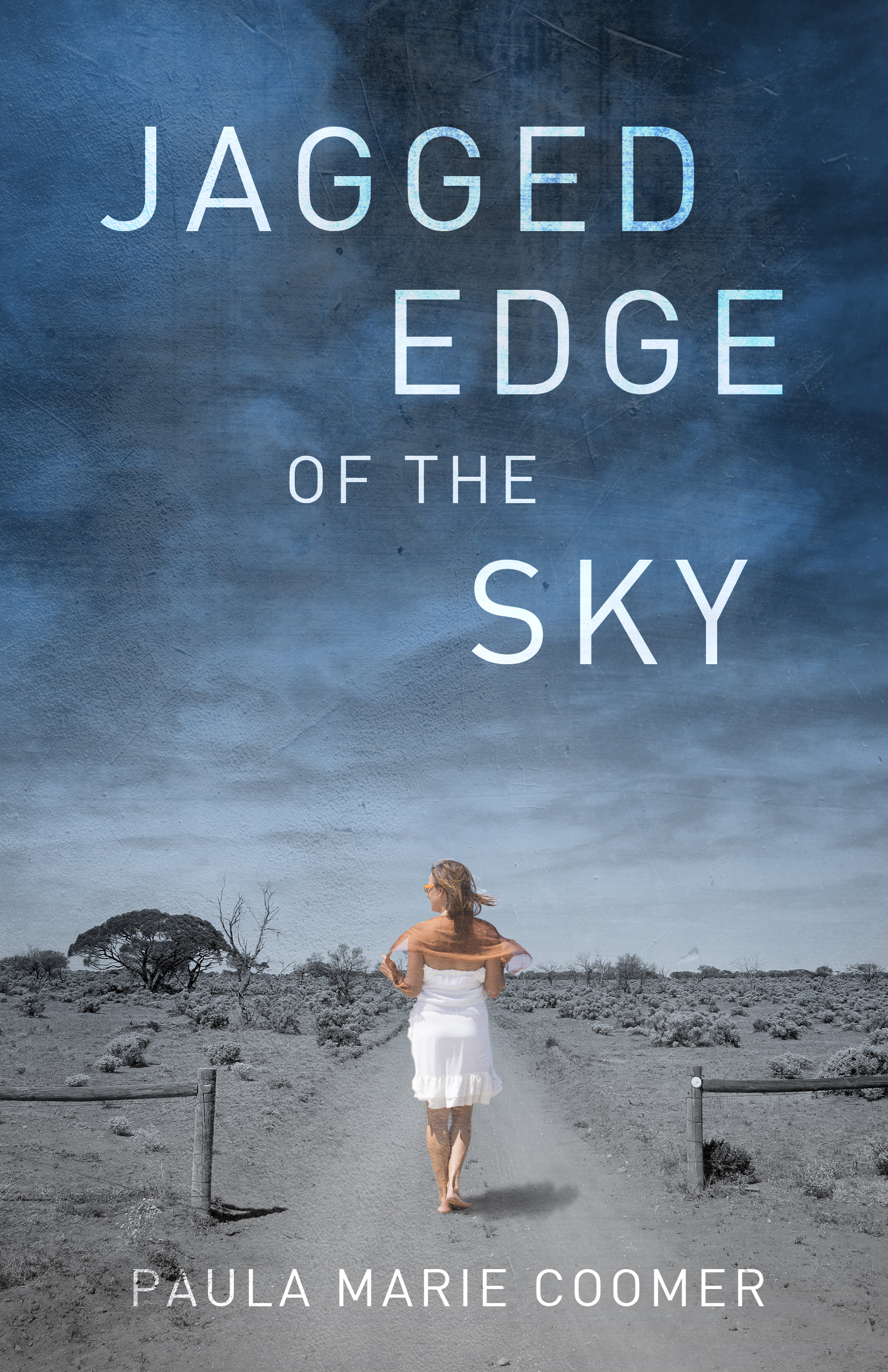
Jagged Edge of the Sky is the story of two women, one Australian and one American, who both go outside their marriages almost on the same day and with the same handsome, mixed-blood aboriginal man. The situation tears the Australian family apart; the American family keeps it secret. At once a women’s story, an immigrant story, and a family saga, the most important message the book delivers is about the despicable state of mental health services in our country.
The Good, the Bad, and the Ugly of the 2015 Association of Writers Minneapolis Conference and Bookfair
I’m not an educator, nor did I have a burning desire to go to Minneapolis in the spring, knowing winter storms ground planes and make life in general just plain miserable
but
I couldn’t attend AWP 2014 in Seattle, which is closer to my home state
and
my son had two readings scheduled and invited me along. Being a writer myself, there was no way I was going to say no.
We arrived a day early, and I’m glad we did. I have Meniere’s disease, and any form of travel can set my head spinning. The added day gave my body time to settle down as well as some extra time to get my bearings.
On Wednesday, the first day of registration, the hotel and convention center was like the inside of a beehive. With over 13,000 registrants, the place was abuzz as writers arrived and networked. It was almost like being in the middle of a great movie.
THE GOOD:
One of the biggest literary writer conferences in the United States
Opportunities to meet editors, pitch story ideas, and listen to other writers talk about craft
Over 500 panels to choose from, consisting of readings, discussions, or pedagogy running consecutively from 9 am to 5 pm every day
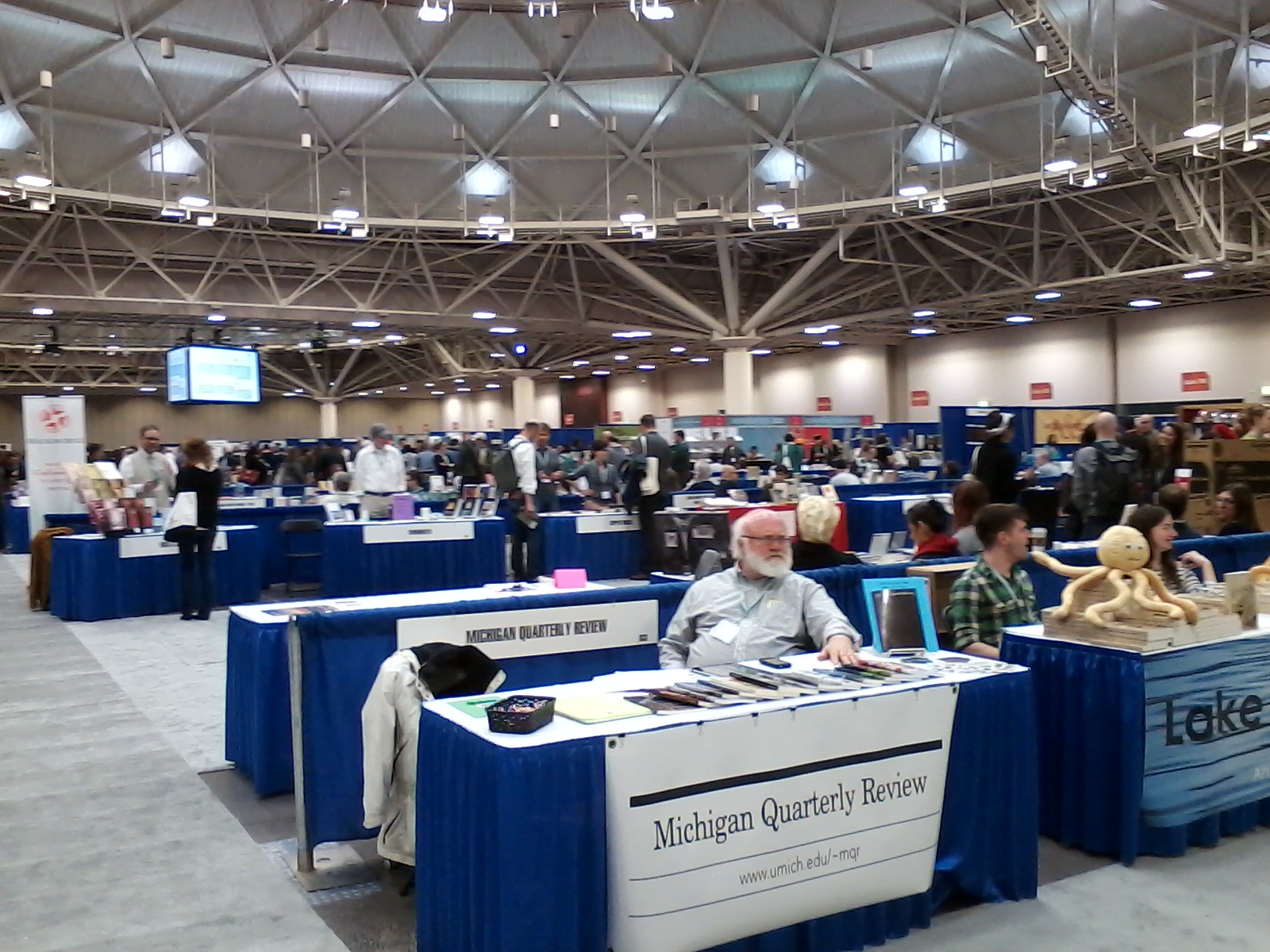
A gigantic bookfair manned by every conceivable literary small press including Tin House, The Rumpus, and Prairie Schooner, not to mention the university presses looking for new voices
Some of the best writers in the United States
Some of the best educators in the United States
Offsite readings, book signings, and events
Karen Russell, Lance Olsen, Pam Houston, Kim Barnes, Robert Wrigley, Lidia Yuknavitch, Cheryl Strayed, Claire Davis, Stephen Graham Jones, and Trevor Dodge, to mention only a few
THE BAD:
Over 500 panels to choose from, running consecutively with fifteen-minute breaks. Impossible to settle on just one
A gigantic bookfair with conference specials, writer guidelines, and bling. Extra totes to carry everything home
Offsite readings, book signings, and open bars wherein you crawl into bed at 2 am too wired and over-stimulated to sleep
Long lines, incessant chatter fueled by all that writerly energy
No genre discussions, no Alice Hoffman, Margret Atwood, or Charles Frazier
THE UGLY:
Me the day I leave Minneapolis to fly home, exhausted, my head spinning with thousands of ideas
In this world there’s two kinds of people my friend – those who attend conferences, and those who stay home. You dig?
THE END
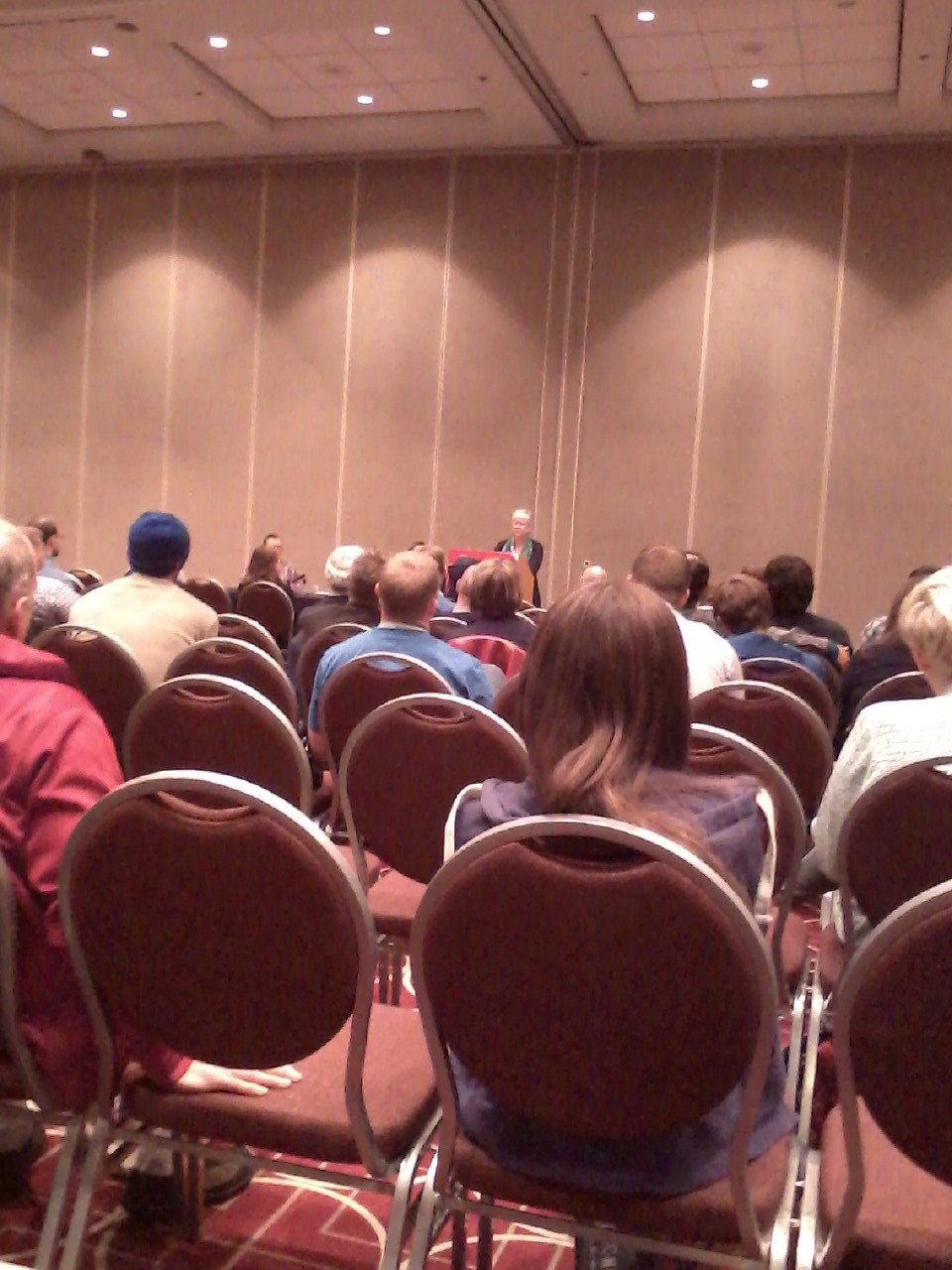
Lidia Yuknavitch – The Chronology of Water
I try to visit my son in Oregon once or twice a year. This year my visit coincided with a reading by the wonderful Lidia Yuknavitch. If you haven’t already read her book, The Chronology of Water, you can pick up a copy here.
Thanks, Lidia, for a wonderful reading.